
盘活呆死矿

Search documents
多地敲定“十五五”矿业发展重点,盘活呆死矿仍需加力
Di Yi Cai Jing· 2025-12-30 03:05
Group 1 - The core viewpoint of the articles emphasizes the rising demand for mineral resources in China and the ongoing adjustments in mineral resource management policies, particularly during the "14th Five-Year Plan" period [1][6] - The government plans to strengthen the exploration, development, and reserve of strategic mineral resources, implementing a new round of breakthrough exploration strategies while promoting green exploration and the construction of green mines [1][8] - Various regions are actively formulating local mineral resource plans, focusing on strategic resource security, green and intelligent transformation, industrial chain upgrades, and breakthrough exploration [1][2] Group 2 - Inner Mongolia aims to enhance the exploration and development of strategic mineral resources, improve the proportion of large and medium-sized mines, and foster integrated mining groups and industrial clusters [1] - Shanxi is focused on promoting sustainable development and competitiveness of non-coal minerals, guiding reasonable exploration and extraction of resources, and enhancing the efficiency of resource utilization [1][2] - The Ministry of Natural Resources highlights the importance of mineral resources as a material foundation for economic and social development, emphasizing the need for increased production efficiency and the transformation of previously unusable low-grade ores into economically viable resources [2][5] Group 3 - The challenge of revitalizing "dead" mines remains significant, with over 80% of registered mining rights in a state of inactivity, indicating a pressing need for policy and operational improvements [5][6] - The Ministry of Natural Resources is addressing issues related to mining rights approval and management, particularly in regions like Fujian, to optimize the layout of strategic minerals and promote high-quality development in the mining sector [6][8] - The government is committed to setting clear targets for exploration, development, and comprehensive utilization of mineral resources, while also enhancing funding mechanisms and encouraging social capital investment [8]

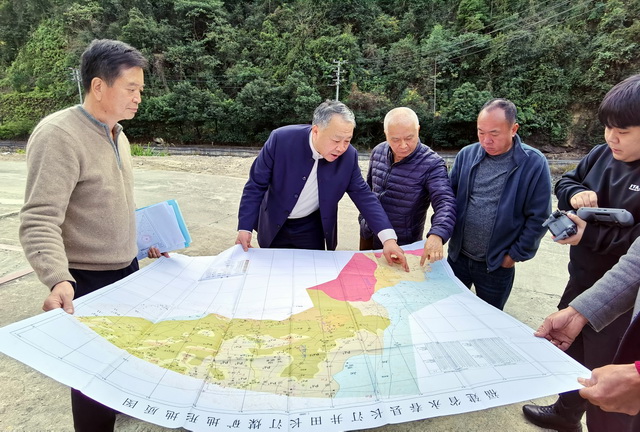
多方建议尽快盘活呆死矿
第一财经· 2025-11-03 03:33
Core Viewpoint - The article emphasizes the urgent need to revitalize dormant mining rights in China, which are hindering the normal development of the mining industry and affecting the progress of new exploration strategies. Experts advocate for the introduction of policies to integrate and activate these dormant mines to alleviate local and corporate debts, potentially unlocking investments worth trillions of yuan [3][4][5]. Group 1: Current Situation of Dormant Mines - Over 60% of mining rights registered with the Ministry of Natural Resources are dormant due to various factors such as mining construction, environmental protection, and local policies [4]. - There are at least 40,000 mining rights in a dormant state, with an estimated fixed asset investment value of 4 trillion yuan, assuming an average cost of 100 million yuan per mining right [4][5]. - In some regions, the percentage of dormant mines can exceed 70%, significantly impacting local economies and employment [5][6]. Group 2: Economic Impact and Opportunities - The closure of mines has led to significant job losses, with over 30,000 people employed in coal-related industries facing unemployment and financial difficulties [5]. - Activating dormant mines could potentially unlock investments of at least 1 trillion yuan, increase mining capacity, and provide numerous job opportunities, thereby boosting local economies and tax revenues [5][6]. - Recent policies in provinces like Liaoning and Fujian aim to address the issues surrounding dormant mines, indicating a shift towards revitalizing the mining sector [6][8]. Group 3: Strategies for Revitalization - Companies are encouraged to form partnerships with leading industry players to overcome financial and technical barriers, as demonstrated by the case of a mining company successfully reviving 13 dormant exploration rights through strategic collaborations [7][8]. - Establishing mining investment companies could facilitate the acquisition of dormant mining rights and enable the issuance of corporate bonds to raise funds for revitalization efforts [8]. - Experts call for the development of comprehensive policies to integrate and activate dormant mines, promoting social capital involvement and enhancing the supply capacity of strategic resources [8][9].
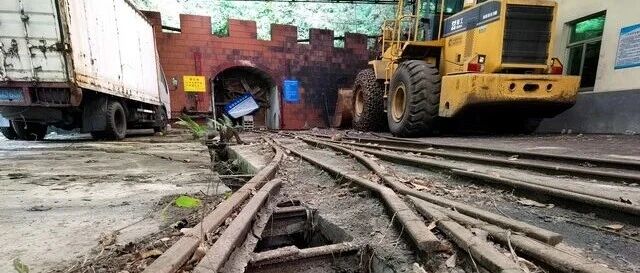
多方建议尽快盘活呆死矿,助力县域经济健康发展
Di Yi Cai Jing· 2025-11-03 02:40
Core Viewpoint - The activation of dormant mining rights can unlock at least 4 trillion yuan in investments and significantly increase mining capacity, contributing to the national strategy for resource exploration and development [1][4]. Group 1: Current State of Dormant Mines - There are at least 40,000 mining rights in a dormant state in China, with an average cost of 100 million yuan per mining right, leading to an estimated 4 trillion yuan in fixed asset investments being inactive [3]. - Over 60% of mining rights registered with the Ministry of Natural Resources are inactive due to various factors, including mining construction, environmental protection, safety, land use, and local policies [2][3]. - In some regions, the percentage of dormant mines can exceed 70%, with certain counties reporting figures as high as 80% [4]. Group 2: Economic Impact and Policy Recommendations - Reviving dormant mines is seen as a quick way to stimulate local economic development and high-quality growth, potentially creating jobs and increasing tax revenue [4]. - Experts recommend the introduction of new policies to integrate and revitalize dormant mines to alleviate local and corporate debts [2][8]. - Some regions, like Liaoning and Fujian, have begun implementing policies to address the issues surrounding dormant mines, including special actions to relieve difficulties faced by idle mining operations [4]. Group 3: Case Studies and Solutions - The Inner Mongolia Daxinganling Forestry Mining Company has faced multiple challenges leading to its mining rights being dormant, but it has begun to actively seek partnerships with leading industry players to revitalize its assets [5][7]. - The company has successfully revived 13 mining rights through joint ventures, enhancing exploration efficiency and addressing funding bottlenecks [7]. - Experts suggest establishing mining investment companies to acquire dormant mining rights and issue corporate bonds to raise funds for revitalization efforts [7].
