短视频思维

Search documents
西贝“翻盘”背后:公关部中场“大换血”?
3 6 Ke· 2026-01-05 09:57
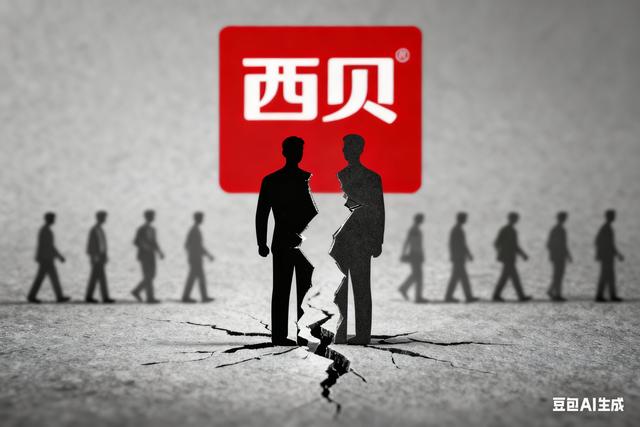
Core Viewpoint - The crisis faced by Xibei serves as a valuable lesson in crisis public relations, demonstrating that even a severe initial backlash can be mitigated through effective subsequent actions and strategies [1][21][22]. Group 1: Crisis Phases - The crisis can be divided into two phases: the initial backlash and the subsequent stabilization phase [4][6]. - The first phase, characterized by a "catastrophic opening," involved a public confrontation with a prominent figure, leading to significant backlash [5][6]. - The second phase saw a "mid-game substitution," where a new public relations team was brought in, leading to a change in strategy and a gradual stabilization of the situation [7][10]. Group 2: Public Relations Strategy - The initial public relations missteps included a confrontational approach and a lack of centralized communication management [6][10]. - The new public relations team implemented a "silence" strategy to allow public sentiment to cool before re-engaging with the audience [10][11]. - Key actions included employee salary increases and price reductions, which were strategically timed to coincide with a period of reduced public scrutiny [12][18]. Group 3: Brand Recovery - Despite initial fears of losing consumer trust, Xibei's brand remained resilient, as evidenced by continued customer queues at their locations post-crisis [14][22]. - The implementation of food safety measures and transparency initiatives, such as the "sunshine kitchen" policy, helped to alleviate public concerns regarding food safety [17][18]. - The founder's public acknowledgment of the crisis and commitment to improved management practices signaled a renewed focus on brand integrity [19][20]. Group 4: Industry Insights - The crisis highlights the evolving nature of public relations in the digital age, where rapid information dissemination can amplify public sentiment [28][30]. - Companies must adapt their crisis management strategies to align with contemporary communication dynamics, emphasizing emotional engagement over traditional fact-based approaches [30][31]. - The effectiveness of crisis management is often contingent upon the leadership's understanding and responsiveness to public sentiment [33][34].