硬科技消费品

Search documents
从线上走向实体:影石、拓竹和徕芬,深圳新制造为何爱开店?
Nan Fang Du Shi Bao· 2025-11-28 13:03
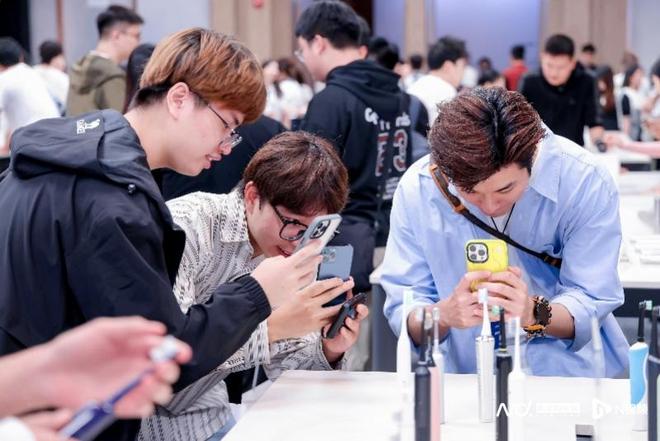
Core Insights - A new commercial landscape is emerging in Shenzhen, where "internet celebrity hardware" is transitioning from online platforms to physical retail spaces, marking a collective experiment in rebuilding trust in hard-tech consumer products [1][2] - Companies like Insta360, Bambu Lab, and Leifeng are opening flagship stores in key locations, indicating a shift from online dominance to a focus on offline experiences and brand ecosystems [1][10] Group 1: Company Strategies - Insta360, Bambu Lab, and Leifeng represent three distinct paths in Shenzhen's new manufacturing landscape, focusing on local market penetration, broadening consumer reach, and establishing long-term brand presence [2][10] - Leifeng has invested over 1 billion yuan in advertising from 2022 to 2024, with a significant portion allocated to the 2023 Double Eleven shopping festival, highlighting the reliance on online marketing strategies [2][3] - Bambu Lab emphasizes product and ecosystem quality over aggressive marketing, aiming to create a community around its 3D printing technology [2][10] Group 2: Consumer Experience - For high-ticket personal care products like those from Leifeng, the in-store experience is crucial for consumer decision-making, as tactile and sensory feedback cannot be fully conveyed online [3][9] - Leifeng's flagship store in Shenzhen integrates sales, experience, and after-sales services, allowing customers to test products and receive personalized services [5][10] - Bambu Lab's store features interactive displays, allowing consumers to see and experience 3D printing technology firsthand, addressing trust issues associated with complex tech products [7][10] Group 3: Market Trends - The shift towards offline experiences is driven by the realization that online traffic alone cannot sustain growth, prompting brands to explore experiential retail as a new growth avenue [2][9] - The presence of high-end stores in Shenzhen's core shopping districts serves as a testament to brand strength and long-term investment commitment [10][12] - The trend indicates a broader movement in the consumer market towards hard-tech products, which are gaining popularity as they offer tangible benefits and experiences [14][15] Group 4: Investment Implications - The investment landscape is evolving, with a greater emphasis on companies that possess technological barriers, efficient supply chains, and strong brand potential, rather than just online traffic metrics [15][16] - The establishment of flagship stores is seen as a critical test of a brand's product strength, cash flow, and operational capabilities [15][16] - The success of brands like Leifeng, Bambu Lab, and Insta360 in physical retail is paving the way for a new narrative in consumer investment, focusing on comprehensive strength rather than just online success [16][17]