社会运行论

Search documents
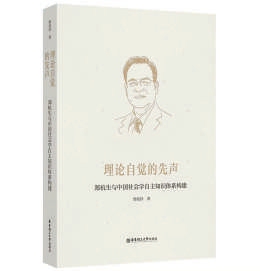
理论自觉的先声:郑杭生与中国社会学的自主之路
Xin Lang Cai Jing· 2026-02-28 00:40
Core Viewpoint - Zheng Hangseng's contributions to sociology in China have been pivotal, particularly through his theories and the textbook "Introduction to Sociology," which has influenced generations of students and laid a foundation for an independent knowledge system in Chinese sociology [1][2]. Group 1: Theoretical Contributions - Zheng Hangseng's theoretical consciousness has facilitated a deep transformation in Chinese sociology from "academic awareness" to "disciplinary confidence," emphasizing the need for local theories that can explain the complexities of Chinese society [2][3]. - The "Five Theories" proposed by Zheng, including Social Operation Theory and Social Transformation Theory, provide a unique analytical framework for understanding the changes in Chinese society, moving away from over-reliance on Western theories [3][4]. Group 2: Practical Implications - Social Operation Theory offers essential insights for government policy-making, emphasizing the interconnectedness of economic, political, and cultural subsystems, which is crucial for sustainable social development [4]. - Social Transformation Theory serves as a guide for market entities and social organizations to navigate challenges and seize opportunities during periods of societal change, helping them to adapt their strategies accordingly [4]. Group 3: International Academic Dialogue - Zheng Hangseng's work in constructing an independent knowledge system in Chinese sociology has reshaped the international academic dialogue, enhancing China's voice in the global sociology community [5][6]. - The engagement with international sociology allows for the sharing of Chinese theoretical and practical experiences, while also incorporating advanced international theories to further develop the Chinese sociological framework [6].
理论自觉的先声
Xin Lang Cai Jing· 2026-02-08 21:39
Core Insights - The article emphasizes the significant role of Zheng Hangseng in the development of sociology in contemporary China, highlighting his contributions to the establishment of an autonomous knowledge system in Chinese sociology [3][4][6] - It discusses the transition from "academic self-awareness" to "disciplinary confidence" in Chinese sociology, driven by Zheng's theoretical insights and frameworks [4][5] Group 1: Theoretical Contributions - Zheng Hangseng's theories, including "social operation theory" and "social transformation theory," provide a foundational framework for understanding the complexities of Chinese society's transition from traditional to modern [4][5] - The book "The Voice of Theoretical Consciousness" systematically outlines Zheng's theoretical contributions, offering a pathway for further exploration of his academic thoughts and promoting the development of Chinese sociology [3][4] Group 2: Practical Implications - The "social operation theory" emphasizes the importance of a well-functioning social system, serving as a reference for government policy-making and social development strategies [5] - The "social transformation theory" aids market entities and social organizations in navigating challenges and seizing opportunities during periods of societal change, guiding them in formulating effective development strategies [5][6] Group 3: International Academic Dialogue - Zheng Hangseng's work has reshaped the international academic dialogue in sociology, enhancing the voice of Chinese sociology on the global stage [6] - The development of an autonomous knowledge system in Chinese sociology allows for a more accurate representation of China's social realities, fostering better understanding and recognition in the international academic community [6]