社群精神

Search documents
在成都,跳Krump的年轻人用身体对抗生活
3 6 Ke· 2026-01-23 09:14
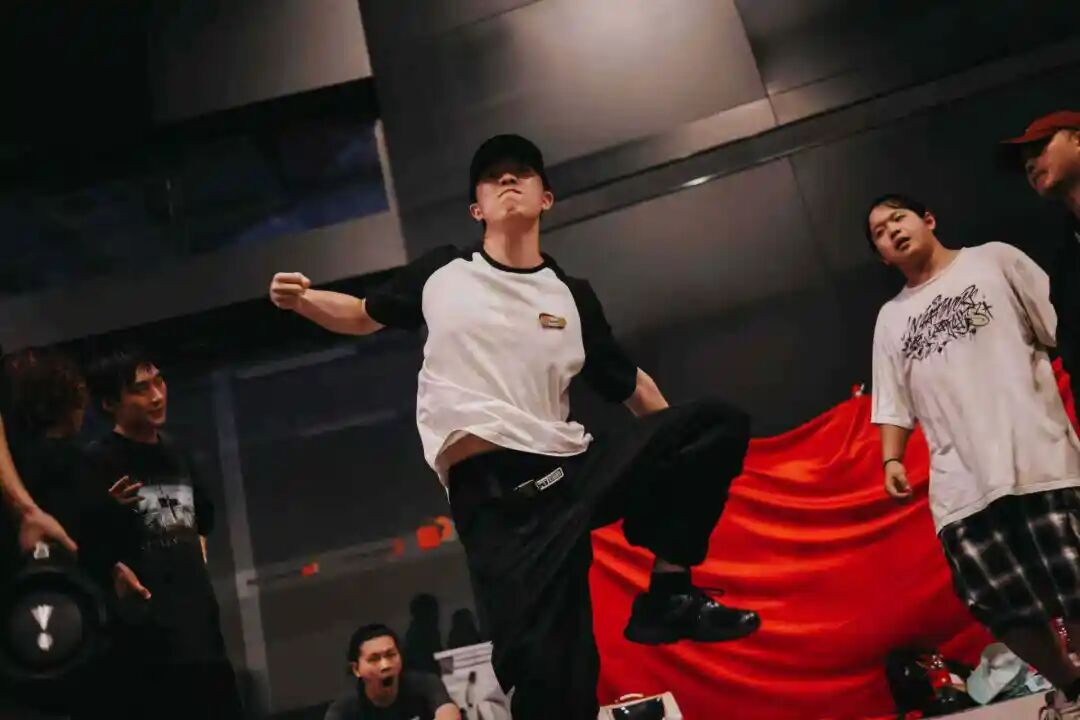
Core Insights - The article explores the cultural and emotional significance of Krump dance, highlighting its roots in expressing raw emotions and social struggles [13][19][24] - It emphasizes the importance of community and personal expression within the Krump culture, showcasing how it serves as a medium for individuals to confront their inner turmoil and societal pressures [24][30][34] Group 1: Krump Dance and Its Expression - Krump is characterized by movements that express deep emotions, such as anger and frustration, through physicality, particularly through actions like chest pops and stomps [2][12] - The dance form is seen as a way for individuals to communicate their feelings without the constraints of traditional dance techniques, focusing instead on emotional honesty [4][6][9] - The origins of Krump are tied to the socio-political context of Los Angeles, emerging from the aftermath of riots as a form of resistance and self-identity for marginalized communities [13][14][19] Group 2: Community and Cultural Significance - The Krump community often gathers in urban spaces that are free from commercial constraints, allowing for a more authentic expression of the dance [10][12] - Events like sessions and competitions foster a sense of belonging and support among dancers, creating a space where emotions can be shared and validated [29][35] - The article highlights the role of figures like 21 and white phosphorus in promoting Krump culture in Chengdu, emphasizing the need for inclusive and supportive environments for dancers [9][32][34] Group 3: Personal Journeys and Challenges - Dancers like 21 and Ai Ming share their personal struggles with societal expectations and the pressures of traditional career paths, finding solace and identity through Krump [24][25][34] - The dance serves as a therapeutic outlet for many, allowing them to confront and express their vulnerabilities in a supportive community [30][35] - The article discusses the broader implications of Krump as a means of addressing the "East Asian pain," reflecting on the subtle yet pervasive pressures faced by individuals in their daily lives [34][35]