
情绪表达

Search documents
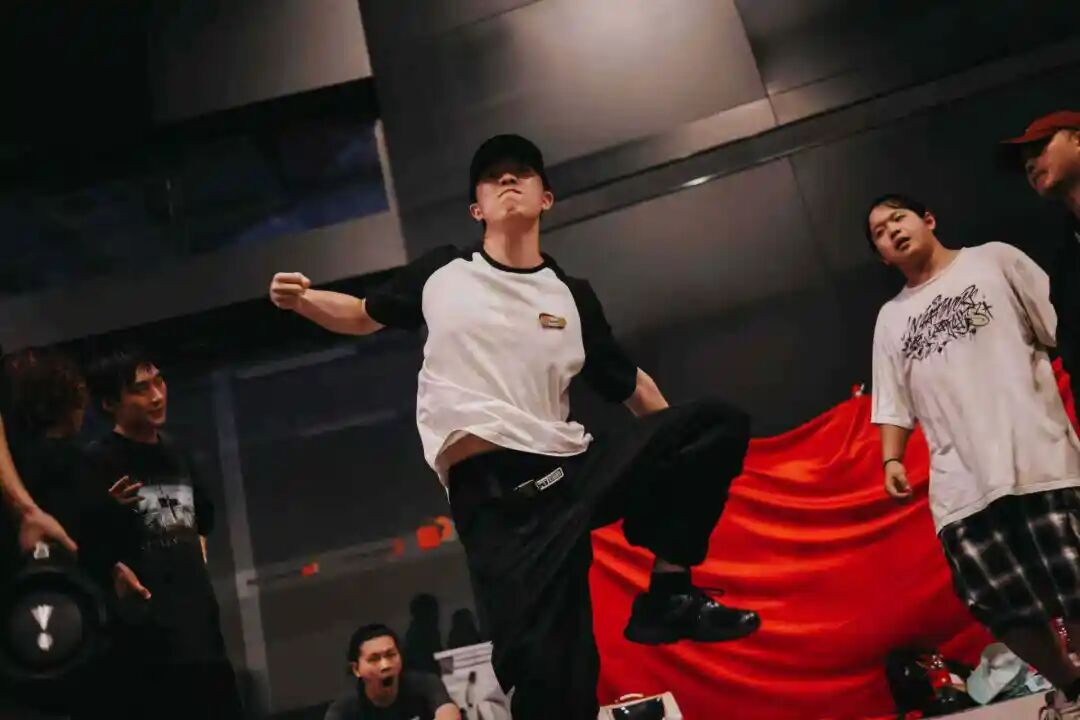
在成都,跳Krump的年轻人用身体对抗生活
3 6 Ke· 2026-01-23 09:14
Core Insights - The article explores the cultural and emotional significance of Krump dance, highlighting its roots in expressing raw emotions and social struggles [13][19][24] - It emphasizes the importance of community and personal expression within the Krump culture, showcasing how it serves as a medium for individuals to confront their inner turmoil and societal pressures [24][30][34] Group 1: Krump Dance and Its Expression - Krump is characterized by movements that express deep emotions, such as anger and frustration, through physicality, particularly through actions like chest pops and stomps [2][12] - The dance form is seen as a way for individuals to communicate their feelings without the constraints of traditional dance techniques, focusing instead on emotional honesty [4][6][9] - The origins of Krump are tied to the socio-political context of Los Angeles, emerging from the aftermath of riots as a form of resistance and self-identity for marginalized communities [13][14][19] Group 2: Community and Cultural Significance - The Krump community often gathers in urban spaces that are free from commercial constraints, allowing for a more authentic expression of the dance [10][12] - Events like sessions and competitions foster a sense of belonging and support among dancers, creating a space where emotions can be shared and validated [29][35] - The article highlights the role of figures like 21 and white phosphorus in promoting Krump culture in Chengdu, emphasizing the need for inclusive and supportive environments for dancers [9][32][34] Group 3: Personal Journeys and Challenges - Dancers like 21 and Ai Ming share their personal struggles with societal expectations and the pressures of traditional career paths, finding solace and identity through Krump [24][25][34] - The dance serves as a therapeutic outlet for many, allowing them to confront and express their vulnerabilities in a supportive community [30][35] - The article discusses the broader implications of Krump as a means of addressing the "East Asian pain," reflecting on the subtle yet pervasive pressures faced by individuals in their daily lives [34][35]

火爆全网的「高雅企鹅」,到底是什么来头?
36氪· 2025-11-21 13:51
Core Viewpoint - The article discusses the phenomenon of the "Elegant Penguin," a viral internet character that resonates with the emotional state of contemporary youth, embodying the balance between maintaining a facade of elegance while harboring inner chaos [4][22]. Group 1: Background and Emergence - The "Elegant Penguin," originally named "3D William Tell Penguin," was uploaded to a stock image library in 2014 and remained unnoticed until it was creatively reimagined by internet users in late 2024, leading to its viral success [14][18]. - The character's design features a humorous contrast between its formal attire (top hat, sunglasses, tie) and its clumsy movements, making it relatable and adaptable for various contexts [17][21]. Group 2: Cultural Significance - The "Elegant Penguin" reflects the duality of modern youth, who project a composed exterior while feeling overwhelmed by societal pressures such as work stress and academic demands [23][28]. - It serves as a cultural symbol that allows young people to express their frustrations humorously, transforming negative emotions into a shared experience [25][28]. Group 3: Viral Spread and Community Engagement - The character's popularity has sparked a widespread creative movement, with users producing diverse content, including dance videos and memes, which has led to its status as a social currency [19][34]. - The phenomenon has been amplified by AI technology and social media algorithms, making content creation accessible and engaging for a broad audience [39][40]. Group 4: Marketing and Brand Engagement - Brands have capitalized on the "Elegant Penguin" trend, integrating it into marketing campaigns and promotional materials, thus enhancing their appeal to younger consumers [37][39]. - The character's viral nature has led to its presence in various public spaces, creating a festive atmosphere and encouraging community interaction [38][39].

火爆全网的“高雅企鹅”,到底是什么来头?
3 6 Ke· 2025-11-20 01:36
Core Viewpoint - The "Elegant Penguin" phenomenon has emerged as a cultural symbol among young people, reflecting their desire to humorously express the pressures of modern life while engaging in a collective online and offline celebration [7][12][23]. Group 1: Emergence of the "Elegant Penguin" - The "Elegant Penguin," originally named "3D William Tell Penguin," was uploaded to a stock image library in 2014 and remained unnoticed until it was creatively reimagined by internet users in late 2024, leading to its viral success [7][10]. - The penguin's design, characterized by its round shape and comical attire, creates a humorous contrast that resonates with audiences, allowing it to adapt to various contexts and emotions [10][12]. - The transformation from a simple 3D model to a cultural icon was driven by user-generated content, showcasing the power of creativity in digital spaces [12][15]. Group 2: Connection with Young People's Emotions - The "Elegant Penguin" encapsulates the duality of young people's lives, where they maintain a facade of elegance while internally grappling with stress and frustration from work and academic pressures [13][15]. - The penguin's expressions and accompanying captions resonate deeply with young adults, providing a humorous outlet for their shared experiences and frustrations [15][16]. - This phenomenon has evolved into a form of social currency, where shared humor fosters a sense of community and collective emotional relief among users [15][16]. Group 3: Viral Marketing and Brand Engagement - The rising popularity of the "Elegant Penguin" has attracted brands and celebrities, leading to widespread participation in the "penguin dance" challenge, which has become a new form of social engagement [17][20]. - Brands have leveraged the penguin's popularity for marketing campaigns, creating tailored content that resonates with younger audiences, thus enhancing their brand image [20][22]. - The integration of AI technology has lowered the barriers for content creation, allowing users of all ages to participate in the trend, further amplifying its reach and engagement [22][23]. Group 4: Cultural Impact and Future Outlook - The "Elegant Penguin" represents a shift in how young people express their emotions and cope with societal pressures, blending humor with a critique of modern life [23]. - While the trend may eventually fade, the underlying cultural shift towards collective creativity and emotional expression is likely to have lasting effects on social interactions and digital culture [23].

动不动就哭的孩子,与忍着不哭的孩子,长大后会有哪些区别?
Jing Ji Guan Cha Bao· 2025-10-22 01:49
Core Viewpoint - The article emphasizes the importance of allowing children to express their emotions freely, particularly through crying, as it fosters emotional intelligence and resilience in adulthood. Group 1: Emotional Expression in Children - Children who cry easily are not necessarily weak; they possess a heightened emotional sensitivity and expression compared to their peers [4][5] - The theory of "emotional granularity" suggests that children who can articulate their feelings through crying develop a richer inner world and better empathy, which are valuable interpersonal skills in the future [6] Group 2: Misconceptions about Strength - Children who suppress their tears are often perceived as strong, but this suppression can lead to internal turmoil and emotional outbursts later in life [8][9] - The pressure to be "strong" can result in children feeling that their emotions are unimportant, leading to issues such as low self-esteem or sudden emotional explosions in adulthood [10] Group 3: Impact of Parental Attitudes - Preventing children from crying effectively shuts down their emotional expression and communication, which can lead to a disconnect in parent-child relationships [11][12] - The analogy of a water-filled bag illustrates that suppressing emotions can lead to eventual overflow, indicating the importance of allowing emotional release [13][14] Group 4: Teaching Resilience - Allowing children to cry teaches them to accept their feelings, which is a crucial step in developing resilience and emotional strength [15][18] - Providing support during emotional moments, rather than rushing to stop the crying, reinforces the message that their feelings are valid and important [16][20] Group 5: Conclusion - Crying is not a flaw but a genuine expression of a child's emotional state, and parents should not fear or discourage it [19][21] - Supporting children in their emotional expressions equips them with the courage to face life's challenges in the future [22]
为什么雷军的发布会,总能点燃全场?
Sou Hu Cai Jing· 2025-06-16 14:46
Core Insights - The article emphasizes the importance of emotional engagement in business communication, highlighting how effective expressions can transform facts and reasoning into compelling narratives that resonate with the audience [2][35]. Group 1: Transforming Facts into Emotions - The key to effective communication is to convert factual information into emotional narratives that resonate with the audience [2][6]. - An example is provided where a product launch is framed not just with specifications but with emotional context, making it relatable to the target audience [4][5]. Group 2: Turning Reasoning into Emotions - The article discusses how abstract reasoning can be made impactful by embedding it within emotional stories, which enhances audience engagement [7][10]. - A case study illustrates how a speaker used personal anecdotes to evoke emotions, making a seemingly simple statement profound and memorable [9][10]. Group 3: Planning Emotions Before Content - It is suggested that successful communication should prioritize emotional planning over content structuring, ensuring that the message is authentic and engaging [12][14]. - The article notes that many presentations fail because they lack emotional depth, which can lead to disengagement from the audience [13][15]. Group 4: Three Laws of Emotional Regulation - The article outlines three laws for regulating emotions in business communication: using emotional appeal to drive rational thought, affirming the audience's motivations, and minimizing unnecessary emotional distractions [19][20]. - Specific strategies are provided, such as using storytelling to connect emotionally and avoiding judgmental language that could provoke negative feelings [26][27]. Group 5: Tools for Effective Communication - The "Six Thinking Hats" method is introduced as a tool to unify emotional perspectives during discussions, enhancing communication efficiency [29][30]. - This method encourages participants to explore different dimensions of a topic, ensuring that discussions remain focused and productive [31][32].