神药广告

Search documents
锐评|国宝级密药?杜绝“神药”忽悠还需监管下猛药
Xin Lang Cai Jing· 2026-02-01 05:52
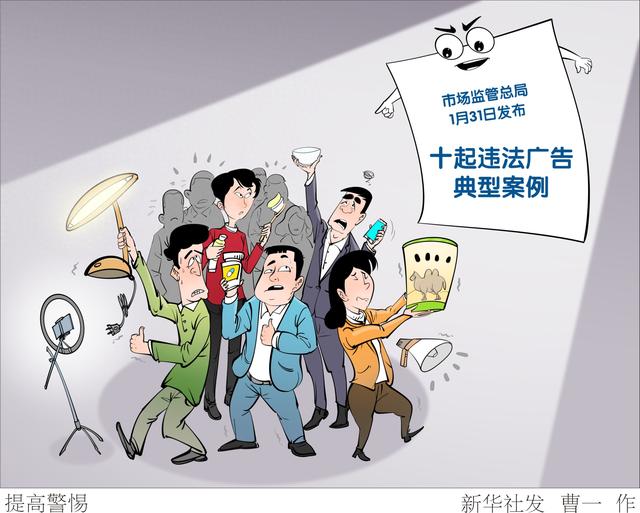
Core Viewpoint - The article highlights the prevalence of misleading advertisements in the health and wellness sector, particularly those promoting "miracle" products that claim to cure serious ailments or improve health significantly, which can mislead consumers and pose health risks [4][5][6] Group 1: Misleading Advertisements - Companies have been found using exaggerated claims in advertisements, such as "national treasure-level medicine" and "effective prevention of myopia," which mislead consumers about the efficacy of their products [4][5] - The market regulatory authority has identified numerous cases of illegal advertisements that exploit consumer trust, particularly in sensitive areas like health and children's vision protection [4][5] Group 2: Regulatory Actions - The State Administration for Market Regulation has intensified efforts to combat illegal advertisements, with 44,521 cases handled and fines totaling 252 million yuan in 2025, reflecting a zero-tolerance approach to such violations [5] - Despite these efforts, the high profit margins in the medical and health product sectors mean that fines often do not deter companies from continuing to engage in misleading advertising practices [5][6] Group 3: Recommendations for Improvement - To effectively eliminate misleading advertisements, regulatory bodies need to enhance collaboration across departments and regions, improve monitoring capabilities, and increase penalties for violations [6] - Third-party platforms must also take responsibility for preventing the dissemination of misleading advertisements, ensuring that consumers are protected from deceptive marketing practices [6]