
禁捕退捕

Search documents
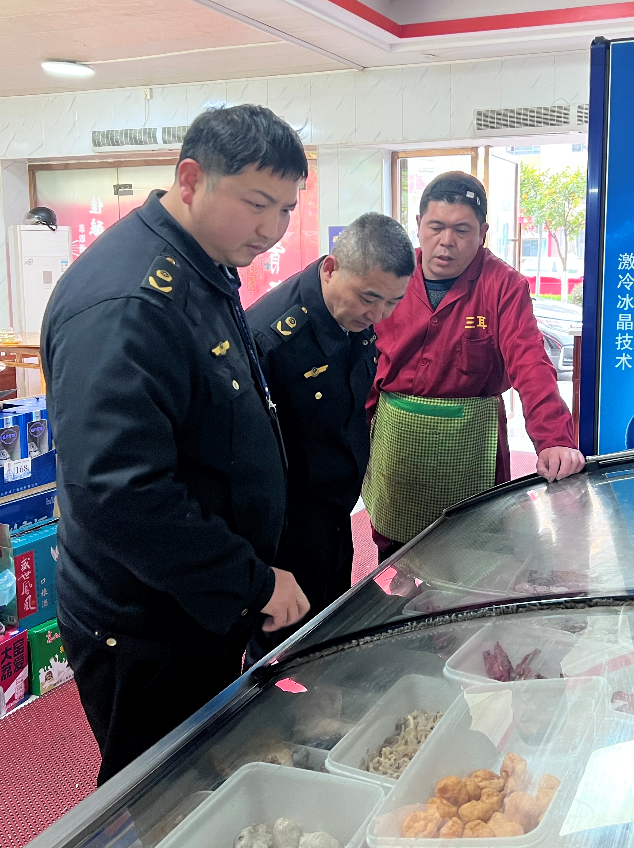
江西省南城县市场监管局专项检查筑牢野生动物保护与禁捕退捕防线
Xin Lang Cai Jing· 2026-02-09 06:54
Core Viewpoint - The Jiangxi Province Nancheng County Market Supervision Administration has initiated a comprehensive inspection and special rectification action for wildlife protection and the prohibition of fishing, focusing on illegal activities related to wildlife trade and consumption [1][2]. Group 1: Inspection Actions - The enforcement team has conducted inspections in 28 agricultural markets and 524 catering units, emphasizing the detection of illegal wildlife trade and the sale of prohibited fishing gear [2]. - During the inspections, law enforcement personnel also engaged in legal education by distributing over 800 copies of relevant laws and regulations, including the Wildlife Protection Law and the Fisheries Law [2]. Group 2: Public Awareness and Community Involvement - The initiative aims to raise awareness about the importance of wildlife protection and the legal consequences of violations, fostering a societal atmosphere where everyone participates in ecological protection [1][2]. - The administration has established public reporting channels to encourage community members to report illegal activities, promoting a collective responsibility towards ecological conservation [1].

一夜偷捕获利数千元——洪泽湖骆马湖非法捕捞调查
Xin Hua She· 2026-01-22 02:31
Core Viewpoint - The illegal fishing activities in Hongze Lake and Luoma Lake, despite strict regulations and enforcement, continue to thrive due to high economic incentives, posing a significant threat to local aquatic resources and biodiversity [1][4][7]. Group 1: Illegal Fishing Activities - Illegal fishing has become increasingly organized and technologically advanced, with individuals using high-powered boats and sophisticated equipment like fish finders and electric fishing devices [4][6]. - Reports indicate that illegal fishing operations can yield profits of several thousand to tens of thousands of yuan in a single night, highlighting the lucrative nature of these activities [4][5]. - The local authorities have identified a shift from small-scale illegal fishing by local fishermen to more organized groups involving individuals from neighboring provinces [5][6]. Group 2: Regulatory Challenges - Despite efforts by Jiangsu's agricultural and rural departments to revoke fishing licenses and enforce bans, illegal fishing remains a significant challenge, with over 1,000 cases reported since 2021 [4][7]. - The presence of "three-no" boats (unregistered, unlicensed, and unmarked) complicates enforcement efforts, necessitating a focus on these vessels to curb illegal activities [7][8]. - There is a call for enhanced regulatory measures, including stricter monitoring of fish markets and the establishment of legal frameworks to manage fishing practices in ecological lakes [8]. Group 3: Economic Impact - The illegal catch, particularly of high-value species like wild silver carp and shrimp, is often sold in markets outside the region, indicating a broader economic network supporting these activities [4][8]. - The local economy is affected by the depletion of fish stocks due to illegal fishing, which undermines sustainable fishing practices and the long-term viability of the fishing industry [1][4].