野生动物保护

Search documents
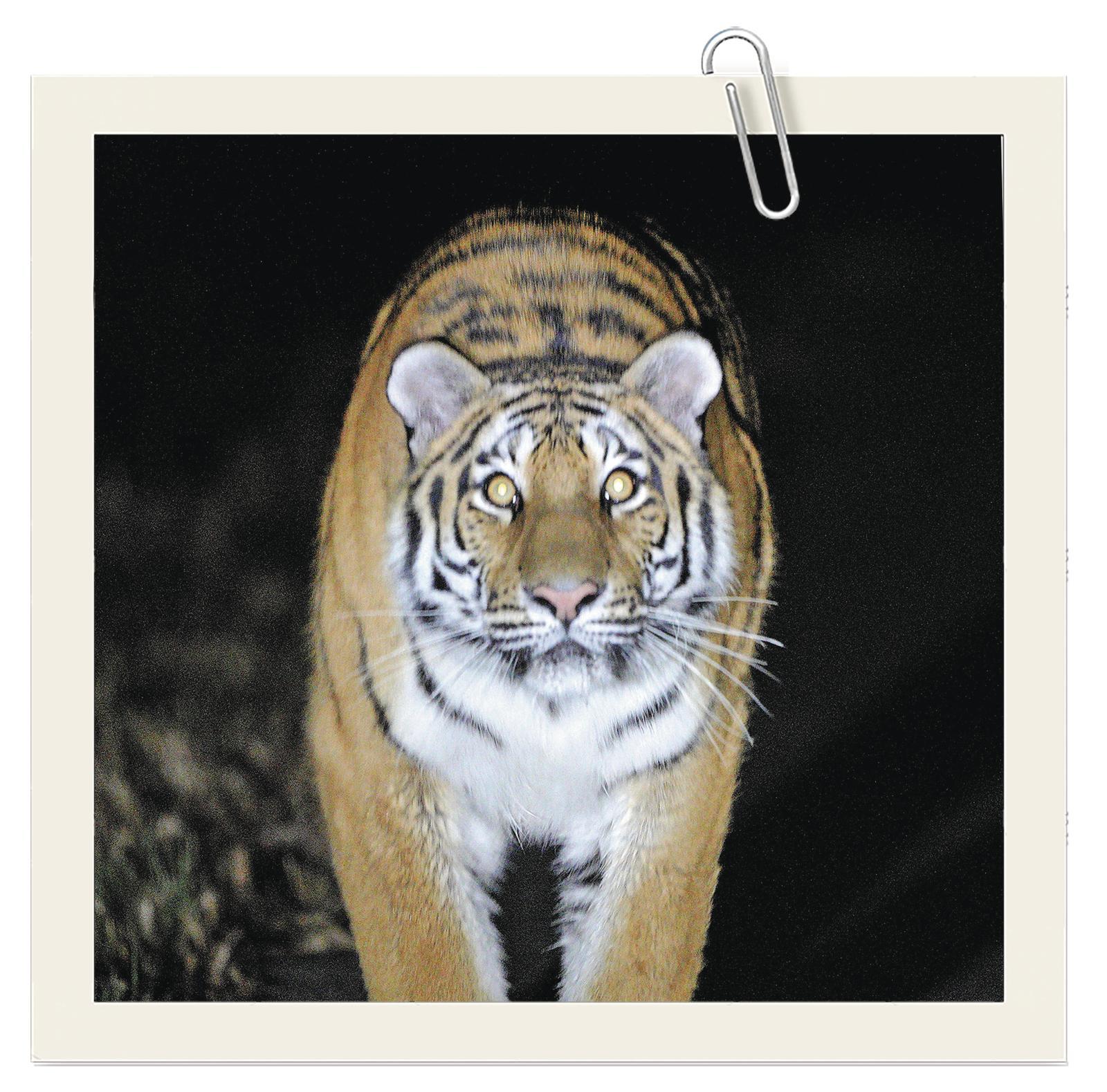
虎豹归林 生机盎然
Xin Lang Cai Jing· 2026-03-09 19:29
Core Viewpoint - The Northeast Tiger and Leopard National Park has seen significant improvements in wildlife monitoring and conservation efforts, leading to a notable increase in the populations of both the Northeast tiger and leopard over the past five years [11]. Group 1: Wildlife Monitoring and Technology - The number of infrared cameras in the monitoring area has increased to 5,746, allowing for real-time data transmission and AI species identification with over 90% accuracy [6]. - The integration of a "sky-ground" monitoring system has transformed the ability to track wildlife, making the forest "transparent" for researchers [6]. Group 2: Conservation Success Stories - The population of wild Northeast tigers has grown to approximately 70, and Northeast leopards to around 80, effectively doubling since the park's establishment [11]. - Individual stories of animal rescue, such as the rehabilitation of a fawn named "Zhao Lele" and a bear cub, highlight the personal commitment of conservation staff [5][7]. Group 3: Community Engagement and Safety - A 24-hour warning system has been implemented to alert villagers of nearby tiger and leopard movements, with 12,000 alerts issued since 2022 [11]. - Efforts to educate and engage local communities have shifted perceptions, reducing fear and resistance towards the presence of tigers [11]. Group 4: Future Aspirations - The park aims to see more tiger mothers with cubs in the wild and an increase in the density of hoofed animals in the coming years [12].


新春走基层|在珠峰脚下守护“高原精灵”
Xin Lang Cai Jing· 2026-02-27 23:36
Core Viewpoint - The article highlights the efforts of wildlife protectors at the Mount Everest National Nature Reserve, focusing on their daily activities and the importance of wildlife conservation in the region [1][2][3] Group 1: Wildlife Protection Efforts - The Mount Everest National Nature Reserve is located in the southwestern part of Tibet, covering an area of approximately 33,800 square kilometers and is recognized for its rich biodiversity [1] - The reserve was included in the World Network of Biosphere Reserves in 2004, indicating its significance in global conservation efforts [1] - Increased conservation efforts have led to the recovery of various precious species within the reserve [1] Group 2: Daily Operations of the Rescue Station - The wildlife rescue station in Qie Village operates with a small team, including Mi Ma and seven colleagues, who take turns on duty [2] - The team conducts patrols every five days, equipped with medical supplies and tools to assist injured wildlife [2] - Community engagement is a key aspect, as villagers are encouraged to contact the rescue station for assistance with wildlife [2] Group 3: Personal Commitment and Motivation - Mi Ma, who joined the rescue station in 2022, expressed a lifelong passion for animals and a desire to contribute to wildlife protection [2][3] - The job provides Mi Ma with stable employment and the opportunity to fulfill his dream of protecting wildlife [2]
【省林业局】陕西安排部署林业安全生产和森林草原防火工作
Shan Xi Ri Bao· 2026-02-26 00:35
Group 1 - The meeting emphasized the need for a higher standard and stricter requirements in forestry safety production and forest grassland fire prevention to strengthen ecological and public safety barriers [1] - Current forestry safety production and fire prevention face multiple risks, including dry weather, increased combustible materials, and rising outdoor fire frequency, necessitating a detailed approach to address these issues [1] - Clear requirements were set for forestry safety production, focusing on prevention, responsibility enforcement, and comprehensive hazard identification and rectification [1] Group 2 - The meeting highlighted the "three resolute" goals for fire prevention: to decisively curb the trend of frequent fires, prevent major fire incidents, and eliminate significant casualties [2] - Emphasis was placed on enhancing public education and establishing a reward mechanism for reporting illegal outdoor fires, alongside proactive prevention measures [2] - The meeting also addressed wildlife protection and ecological conservation in the Qinling area, calling for increased patrol efforts and strict enforcement against illegal hunting and exploration activities [2]
雪豹误入仓库多部门联动救护
Xin Lang Cai Jing· 2026-02-24 17:17
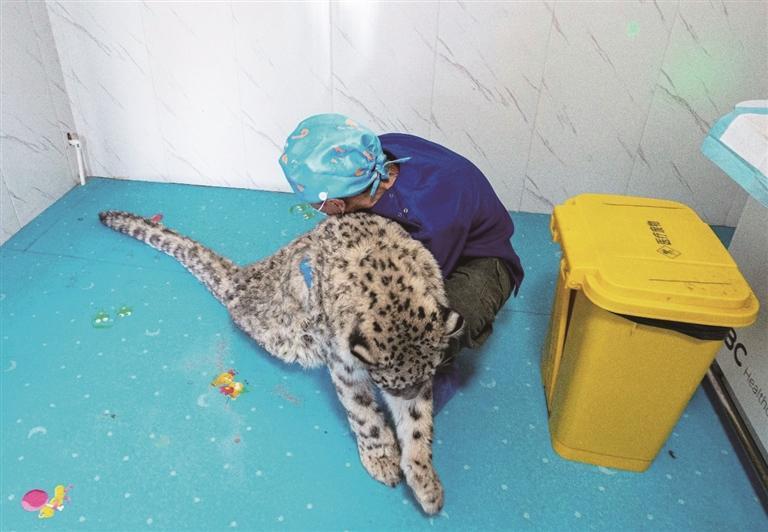
Core Viewpoint - The successful rescue of a snow leopard in Xining highlights the city's rapid response capabilities and the growing stability of the local ecosystem, which supports a significant population of wild snow leopards [1][2]. Group 1: Incident Details - A snow leopard was discovered in a warehouse at the Huangshui River market in Xining on February 24, prompting immediate action from local authorities [1]. - The animal was confirmed to be a young male snow leopard, a nationally protected species, and was safely anesthetized and transferred to the Qinghai Provincial Wildlife Rescue and Breeding Center for further treatment [1][2]. - The incident involved coordination among multiple agencies, including the Xining City Government, Public Security Bureau, and Wildlife Rescue Center, demonstrating effective emergency response [1]. Group 2: Ecological Context - Experts indicate that at least 57 snow leopards have been identified in the Datuo Beichuan River source area by 2025, suggesting a healthy and stable ecosystem around Xining [2]. - The snow leopard's presence in the urban area is believed to be due to its exploration of new territory or foraging, likely originating from the Qilian Mountain range [2]. - The snow leopard is generally non-aggressive towards humans, but caution is advised, and the public is encouraged to report sightings rather than approach the animal [2]. Group 3: Conservation Implications - The successful rescue operation not only reflects the city's preparedness for wildlife incidents but also contributes to the broader experience in wildlife protection at the provincial and national levels [3].
新春走基层·记者体验360行|我当野生动物监测员
Xin Lang Cai Jing· 2026-02-22 14:49
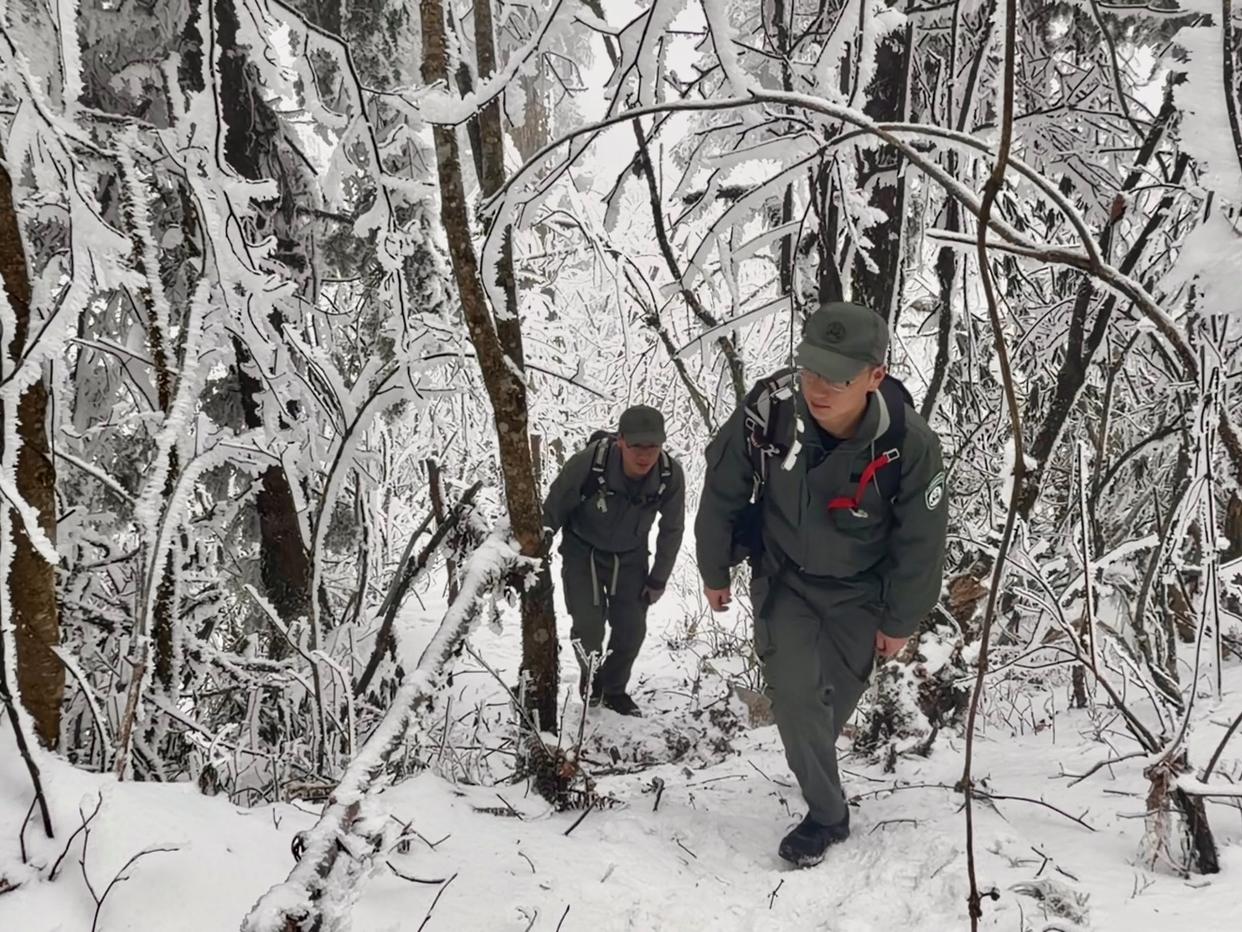
Core Viewpoint - The article highlights the ongoing efforts in wildlife monitoring and conservation, particularly focusing on the work of the monitoring team in the Daxiangling Nature Reserve, which is crucial for the protection of giant pandas and their habitat [1][8]. Group 1: Wildlife Monitoring - The Daxiangling Nature Reserve, located at an average altitude of over 3000 meters, has a forest coverage rate of over 95%, making it an ideal habitat for giant pandas [1]. - The monitoring team, consisting of a patrol leader and an assistant engineer, utilizes various tools such as infrared cameras, GPS devices, and field survey forms to track wildlife activity [1][3]. - The primary goal of wildlife monitoring is to understand the population dynamics of giant pandas and other wildlife, providing guidance for environmental management [3]. Group 2: Fieldwork Challenges - The monitoring team spends over 200 days a year in the mountains, covering more than 10 kilometers daily, facing challenges such as harsh weather conditions and difficult terrain [3]. - Team members humorously refer to themselves as "poop collectors," as they analyze animal feces to extract genetic material for studying panda populations and their genetic diversity [5]. - The team employs meticulous methods to locate signs of wildlife, such as tracks and feces, which are essential for understanding animal behavior and population health [5][7]. Group 3: Conservation Impact - Protecting giant pandas serves a larger purpose of safeguarding other species, as pandas are considered a "flagship species" for biodiversity conservation [8]. - The conservation efforts in the region benefit over 10,000 other species, including the Sichuan golden snub-nosed monkey and the snow leopard, highlighting the ecological importance of preserving panda habitats [8].
新疆青河:“暖心口粮”已空投!保障野生动物安全越冬
Yang Shi Xin Wen· 2026-02-22 03:34
Group 1 - The winter cold air has led to thick snow in the Altai Mountains of Xinjiang, making it difficult for wildlife such as the Altai argali and Mongolian wild ass to find food [3] - A winter feeding initiative has been launched in the Karamayli Nature Reserve to support wildlife, with 350 bales of alfalfa and 2.5 tons of corn distributed to ensure their safe wintering [3] - The Karamayli Nature Reserve is a crucial habitat for rare wildlife species and serves multiple functions including biodiversity protection and scientific research [3]
福州五只大熊猫在榕首迎新春 国宝萌趣贺岁吸引中外游客
Xin Lang Cai Jing· 2026-02-21 05:57
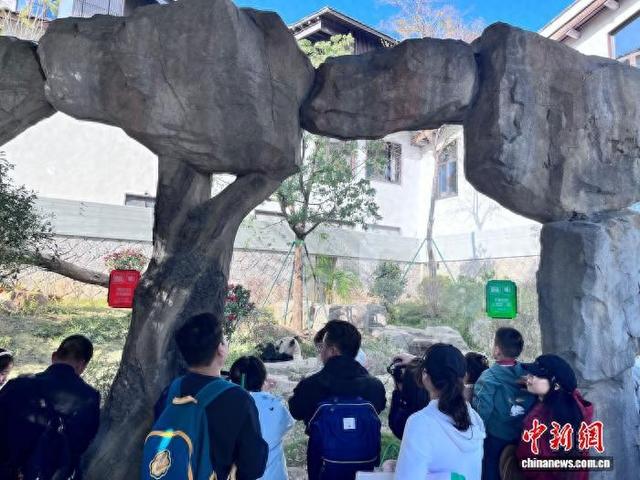
Core Insights - Fuzhou Panda World has become a vibrant attraction during the Spring Festival, showcasing five giant pandas and drawing significant attention from both domestic and international tourists [1][3][6] - The park emphasizes ecological protection and educational functions, creating a habitat that mimics the pandas' natural environment while promoting their natural behaviors [6] Group 1: Visitor Experience - The park features a three-dimensional viewing system that integrates aerial, ground, and forest perspectives, enhancing the visitor experience [6] - During the Spring Festival, panda caretakers prepared special meals for the pandas, incorporating local flavors to celebrate the holiday [6] Group 2: Cultural Significance - The giant panda serves as a cultural ambassador for China, fostering international friendships and understanding [3][4][6] - The park's recent renovations reflect China's commitment to wildlife conservation and the promotion of its cultural heritage [4][6]
新春走基层丨我与17匹野马的马年新春
Yang Guang Wang· 2026-02-19 00:30
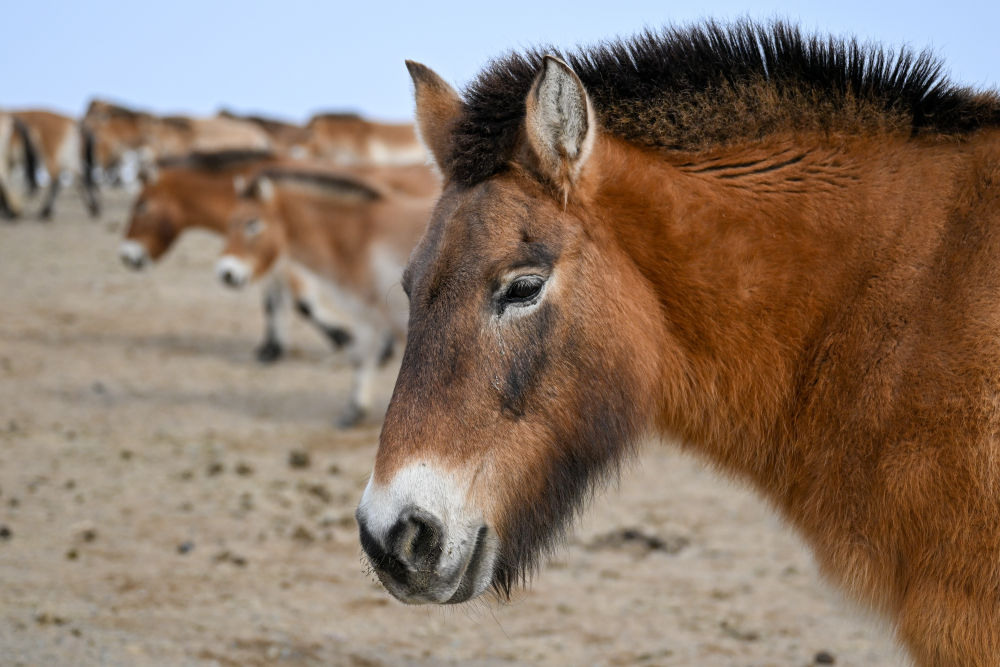
Core Viewpoint - The article highlights the efforts of Wang Junheng, a retired forestry worker, in caring for the Przewalski's horse, a critically endangered species, at the Daqingshan National Nature Reserve in Inner Mongolia, emphasizing the importance of wildlife conservation and the growth of the horse population in the area [1][6]. Group 1: Wildlife Conservation Efforts - Wang Junheng, a 63-year-old retired forestry worker, continues to manage the breeding of Przewalski's horses after retirement, demonstrating a commitment to wildlife conservation [1]. - The Przewalski's horse population at the Daqingshan reserve has increased from 12 to 17 over the years, indicating successful breeding efforts [6]. Group 2: Daily Care and Management - The horses are fed twice daily during winter when food is scarce, showcasing the intensive care required for their survival [3]. - Wang Junheng has developed a routine for monitoring the horses, including observing the newborns closely to ensure their health and well-being [4][5]. Group 3: Environmental Conditions - The Daqingshan region has seen improvements in ecological conditions, which have positively impacted the Przewalski's horse population [6]. - The natural habitat of the Przewalski's horse includes mountainous grasslands and deserts, which presents challenges for their survival, especially in winter [3]. Group 4: Personal Commitment - Wang Junheng has spent nearly 30 Spring Festivals in the mountains, reflecting his deep personal commitment to the conservation of the Przewalski's horse [6]. - His wish for the new year is for the Przewalski's horse population to thrive in the Daqingshan area, symbolizing hope for continued conservation success [8].
守护普氏野马:荒漠上的“团圆”与坚守
Xin Hua She· 2026-02-17 04:00
Core Viewpoint - The article highlights the efforts of wildlife conservationists in the Xinjiang Kalamaili Mountain Wild Animal Nature Reserve, focusing on the monitoring and protection of the Przewalski's horse, a species that has seen a significant recovery in population due to dedicated conservation efforts [1][12]. Group 1: Conservation Efforts - The monitoring station for Przewalski's horse is located in a harsh environment, where temperatures can drop to -20°C, yet conservationists like Mengkan Wutonglasheng remain committed to protecting this endangered species [1][3]. - Recent improvements in monitoring technology have made it easier for conservationists to track wildlife, with the use of satellite collars and mobile devices for data collection [5]. - The population of Przewalski's horse in China has surpassed 900, accounting for nearly one-third of the global population, reflecting a successful conservation strategy [12]. Group 2: Daily Operations - Conservationists conduct daily patrols to monitor wildlife, record animal health, and assess vegetation conditions, adapting their routes based on animal sightings [5][7]. - The return of over 150 Przewalski's horses to the monitoring station for winter feeding indicates a successful management strategy, as these animals rely on the care provided by the conservation team [9][11]. - The emotional connection between the conservationists and the horses is evident, as they hope for the horses' successful return to the wild while also feeling a sense of responsibility for their well-being [11][13].
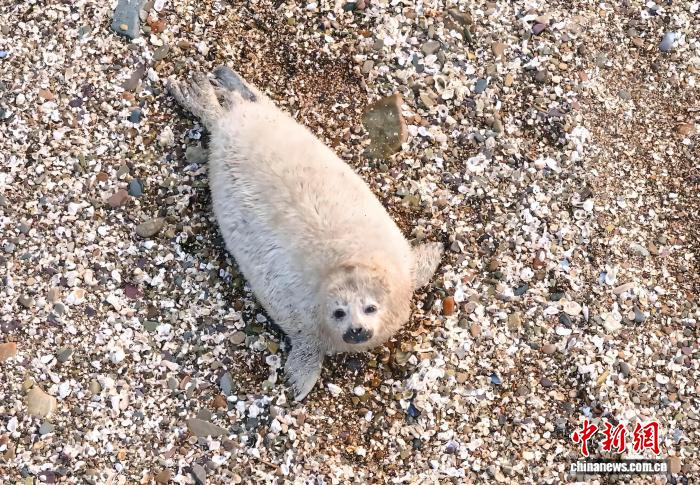
中国首次捕捉到辽东湾斑海豹种群在陆域繁衍影像
Zhong Guo Xin Wen Wang· 2026-02-15 08:53
Core Insights - The Dalian Coast Guard has successfully captured clear images of the breeding population of the Liaodong Bay harbor seal in a joint patrol with the Dalian National Nature Reserve for the Harbor Seal and the National Ocean Monitoring Center [1][3] Group 1: Breeding and Habitat - The harbor seal is the only pinniped species that breeds in Chinese waters and is classified as a national first-class protected wild animal [3] - The Liaodong Bay harbor seal population has evolved independently and holds irreplaceable ecological and scientific value [3] - During winter, harbor seals migrate through the Bohai Sea to the Liaodong Bay, where they breed in the ice-covered areas from January to February [3][5] Group 2: Environmental Adaptation - The recent successful breeding of harbor seals in the sandy shoals of the Liaodong South Sea indicates favorable environmental conditions, including food availability and safety [5] - Researcher Zhang Yue noted that traditional breeding relies on winter ice, but climate and environmental changes have reduced stable ice surfaces [5] - The ability of harbor seals to adapt to environmental changes demonstrates their resilience [5] Group 3: Conservation Efforts - During the breeding season, multiple departments are conducting joint patrols to enhance harbor seal protection [5] - The use of drones for aerial inspections of pups, water quality monitoring in core areas, and legal awareness campaigns are part of the conservation measures [5]