
禁毒战争

Search documents
直扑马杜罗,特朗普为何这么急?
Xin Lang Cai Jing· 2026-01-03 12:02
Core Viewpoint - The article discusses a significant military action ordered by U.S. President Trump against Venezuelan President Maduro, resulting in Maduro's capture and the implications of this event for U.S.-Venezuela relations [1][3][8]. Group 1: Military Action Details - The military strike occurred on January 3, 2026, with reports of multiple explosions in Caracas, including at least seven explosions and low-flying helicopters [3][5]. - The U.S. military targeted key Venezuelan military installations, including air defense systems and military bases, leading to significant infrastructure damage [6][11]. - Following the attack, there was widespread power outage in Caracas, and the U.S. Federal Aviation Administration (FAA) prohibited commercial flights over Venezuela due to safety risks associated with the military action [6][11]. Group 2: Political Context - The military action was unexpected, as many analysts believed economic sanctions would suffice to prompt regime change in Venezuela [8][10]. - Trump's decision to escalate military involvement came despite previous assurances from U.S. officials that there were no plans for war against Venezuela [8][10]. - The political landscape in Venezuela has shifted, with Maduro and his government facing increasing pressure from both domestic and international fronts [9][10]. Group 3: Strategic Interests - The U.S. has long viewed Venezuela as a critical area of interest due to its rich energy resources and historical anti-imperialist sentiments [9][10]. - Trump's administration has been motivated by a desire to regain control over Venezuelan oil resources and to combat drug trafficking linked to the Maduro government [10][11]. - The military buildup around Venezuela included significant naval assets and personnel, indicating a serious commitment to military readiness in the region [10][11].

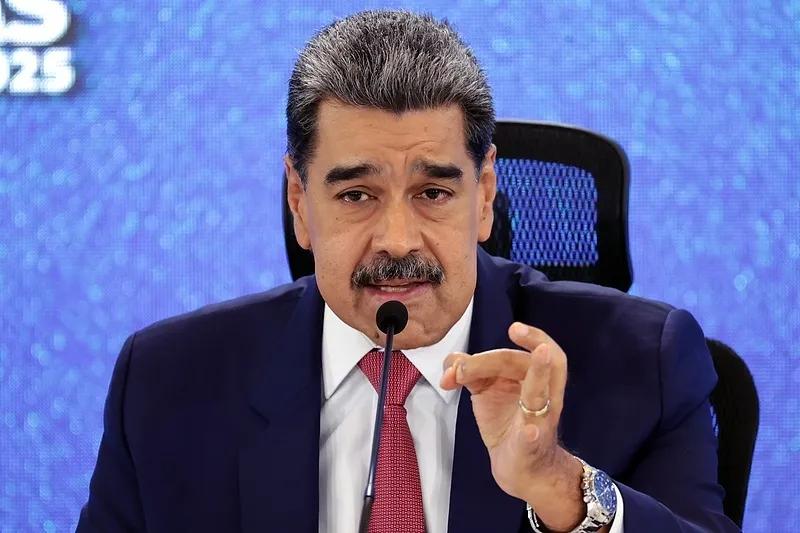
古巴外长:美国所谓“禁毒战争”不过是场闹剧
Xin Hua She· 2025-12-07 03:13
Core Viewpoint - The comments from Cuban Foreign Minister Bruno Rodríguez highlight that the U.S. government's actions regarding the pardon of former Honduran President Juan Orlando Hernández reveal the farcical nature of its so-called "war on drugs" [1] Group 1: U.S. Government Actions - The U.S. government is accused of using the "war on drugs" as a pretext to justify military deployments in the Caribbean, which are aimed at undermining the legitimate government of Venezuela [1] - The pardon of Hernández is seen as evidence of collusion between the U.S. government and the extensive drug market [1] Group 2: Background on Hernández - Juan Orlando Hernández served as the President of Honduras from 2014 to 2022 and was extradited to the U.S. in April 2022 after being indicted by the U.S. Department of Justice [1] - In June 2024, Hernández was sentenced to 45 years in prison and fined $8 million for conspiracy to smuggle drugs into the U.S. and illegal possession of weapons [1] Group 3: Military Presence in the Caribbean - The U.S. has deployed multiple naval vessels in the Caribbean near Venezuela under the guise of anti-drug operations, which Venezuela claims is a military threat aimed at regime change [1]
双面墨西哥:一半魔窟,一半热土
创业邦· 2025-11-13 10:12
Core Viewpoint - The article discusses the complex duality of Mexico as both a hub for drug trafficking and a burgeoning market for business opportunities, highlighting the challenges and prospects for companies operating in the region [5][8][12]. Group 1: Drug Trafficking and Its Impact - Mexico has become a significant player in the global drug trade, with an estimated 477 million people in the U.S. having used illegal drugs in the past month, representing 16.8% of the population aged 12 and older [9]. - The drug trade has deeply infiltrated Mexican society, with approximately 175,000 individuals involved in drug trafficking, making it the fifth-largest employer in the country, surpassing major corporations like Pemex and Oxxo [11]. - The ongoing violence and corruption associated with drug trafficking have led to a high number of disappearances, with around 100,000 people reported missing annually, often linked to gang violence [43][10]. Group 2: Business Environment and Opportunities - Despite the challenges posed by drug-related violence, Mexico is viewed as a critical node in global supply chains and a key market for Chinese companies looking to enter the U.S. market [15][30]. - The Mexican market is characterized by a young population and a growing e-commerce sector, with a GDP ranking 11th globally and a per capita GDP of $13,987, which is higher than China's [30]. - Companies are increasingly adapting to the local business culture, emphasizing the importance of building relationships and understanding local practices to succeed in the market [36][40]. Group 3: Security and Operational Challenges - Security remains a significant concern for businesses, with reports of corruption within law enforcement and the need for companies to invest in security measures to protect their assets and personnel [28][29]. - The operational landscape is complicated by labor laws that require compliance with local regulations, which can be stringent and subject to selective enforcement [29][30]. - Companies must navigate a complex environment where relationships with local authorities can influence business operations, often requiring financial investments to ensure compliance and avoid penalties [29][30].
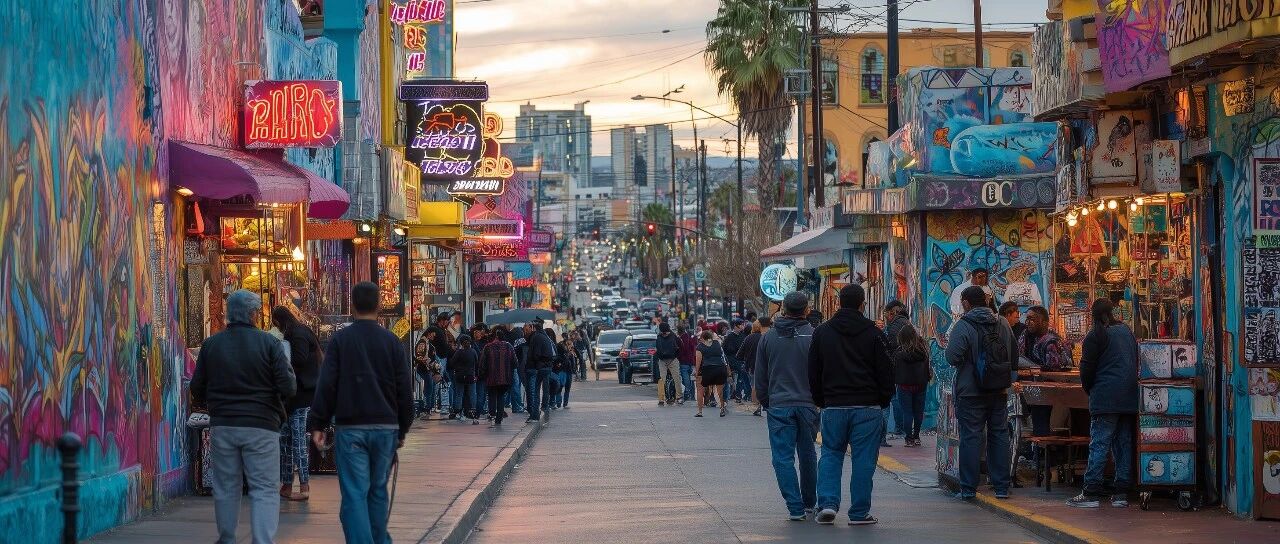
美媒称特朗普欲在委境内“动武” 委方:愿对话
Xin Hua Wang· 2025-09-07 05:12
Core Points - The U.S. is considering military action against drug traffickers in Venezuela, with increased military deployment in the region, including F-35 stealth fighters [1][2] - President Trump stated there are no current plans to overthrow President Maduro's government, while Maduro expressed willingness to resolve differences through dialogue [1][4] Military Actions - The U.S. has deployed eight naval vessels in the Caribbean for anti-drug operations, including three amphibious assault ships, two destroyers, one cruiser, and one littoral combat ship [2] - The U.S. Marine Corps' 22nd Expeditionary Unit has been conducting amphibious operations near Puerto Rico [2] - A recent U.S. operation resulted in the destruction of a drug trafficking vessel, killing 11 alleged gang members [3] Diplomatic Tensions - Maduro condemned U.S. military presence as a significant threat, claiming it is the largest in a century [2] - The Pentagon labeled Venezuelan military actions as provocative, warning against interference with U.S. operations [3] - Maduro emphasized the importance of dialogue and rejected the notion that differences should lead to military conflict [4][5] Geopolitical Context - Experts suggest that the U.S. uses anti-drug operations as a pretext for military intervention in Latin America, aiming to control Venezuela's oil reserves [6] - Historical patterns indicate that the U.S. has leveraged the "war on drugs" to justify actions against leftist governments in the region [6][7]