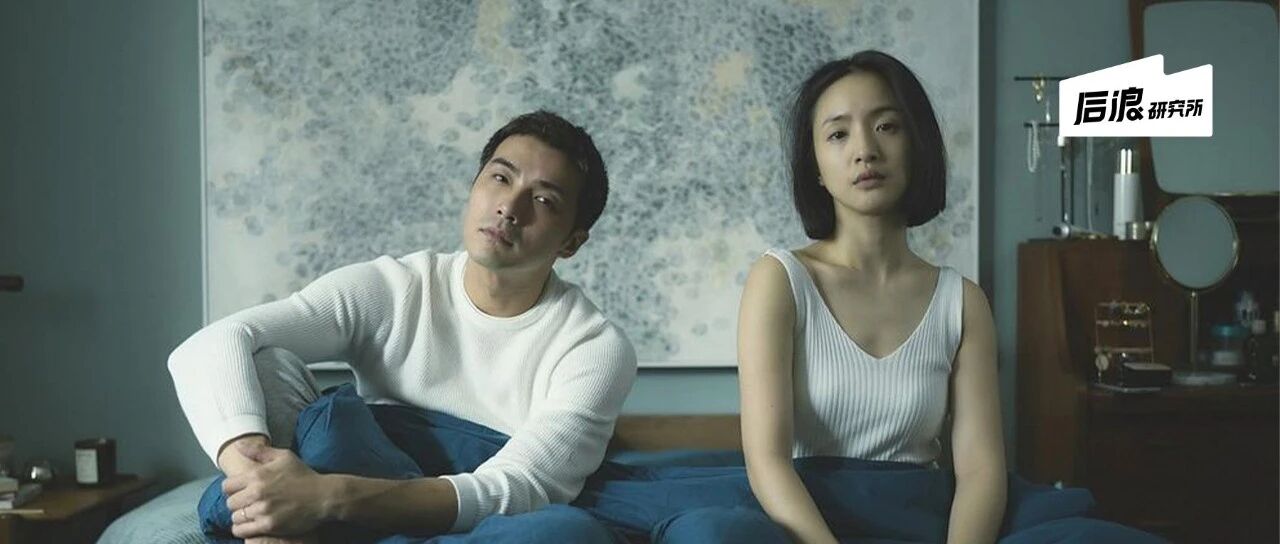
离婚不离家

Search documents
离婚不离家,中产的离婚静悄悄
36氪· 2025-12-13 13:30
Core Viewpoint - The article discusses the evolving perceptions of marriage among contemporary individuals, particularly focusing on the experiences of a woman named Su Ke, who reflects on her 12-year marriage and subsequent decision to divorce, emphasizing the importance of personal comfort and choice in relationships [5][30]. Group 1: Marriage Dynamics - Su Ke's marriage, characterized by a lack of communication and intimacy, highlights the complexities of modern relationships, where external appearances often mask internal struggles [6][10]. - The couple's financial arrangements were imbalanced, with Su Ke unaware of the family's financial status, leading to feelings of alienation and frustration [8][14]. - The shift in family dynamics after the birth of their child, including the involvement of grandparents, further complicated their relationship, resulting in emotional distance [16][17]. Group 2: Decision to Divorce - The decision to divorce stemmed from a realization that the marriage was no longer fulfilling, particularly after discussions about reducing living expenses [14][20]. - Su Ke's approach to divorce was pragmatic, focusing on minimizing the impact on their child and seeking a cooperative co-parenting arrangement [19][21]. - The couple's eventual agreement to live separately while co-parenting reflects a modern interpretation of family structures, prioritizing the child's well-being [23][26]. Group 3: Personal Growth and Independence - Post-divorce, Su Ke experienced a sense of liberation and control over her life, enjoying the freedom of living independently and making personal choices [30][32]. - The article emphasizes the importance of having personal space and autonomy, suggesting that even in complex family situations, individuals should prioritize their own comfort and happiness [32][33]. - Su Ke's reflections on her marriage and divorce serve as a reminder that individuals have the power to redefine their relationships and make choices that align with their personal values and needs [33].


离婚不离家,中产的离婚静悄悄
后浪研究所· 2025-12-10 09:08
Core Viewpoint - The article discusses the complexities and emotional struggles of a woman, Su Ke, who ended her 12-year marriage, highlighting the lack of intimacy and communication in modern relationships, particularly among middle-class couples in urban settings [6][28]. Group 1: Marriage Dynamics - Su Ke married at 34 after a brief courtship, feeling societal pressure to marry, which led to a seemingly stable life with a house, car, and child [3][4]. - Despite the outward appearance of a typical middle-class life, the marriage was marked by financial secrecy and emotional distance, with the couple rarely communicating or sharing intimacy [4][9]. - The couple's relationship deteriorated after the birth of their child, leading to separate sleeping arrangements and a complete lack of sexual intimacy for over four years [5][10]. Group 2: Decision to Divorce - The decision to divorce was influenced by a significant reduction in living expenses proposed by the husband, prompting Su Ke to reassess the value of her marriage [10][12]. - Su Ke expressed that the marriage felt like a slow decline, lacking joy and connection, leading her to realize that she could manage her responsibilities without her husband [6][10]. - The couple agreed to divorce while continuing to live together for the sake of their child, with Su Ke emphasizing the importance of maintaining a relationship with both parents for the child's well-being [16][20]. Group 3: Post-Divorce Life - After the divorce, Su Ke found a sense of relief and freedom, enjoying her independence and the ability to create a personal space that reflects her preferences [25][27]. - The arrangement allowed her to maintain a close relationship with her child while also establishing boundaries with her ex-husband, demonstrating that co-parenting can be effective even post-divorce [20][22]. - Su Ke's experience highlights a shift in societal norms regarding marriage and divorce, where individuals prioritize personal happiness and comfort over traditional expectations [28][29].