科举

Search documents
簪花宴上遇见一生对手
Xin Lang Cai Jing· 2026-02-18 05:55
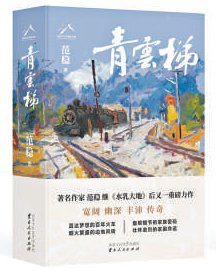
那时,少年吴廉膺像众多读书学子一样,站在了求取功名的起点,期待着由秀才而举人,由举人而贡 士,由贡士而状元。朝为田舍郎,暮登天子堂。家中请的私塾余锦福老先生为在主人家面前表功,对所 教弟子不吝吹捧。什么"生而颖异,聪慧绝伦",什么"踏上功名路,一登青云梯"。似乎吴家少爷从院试 到乡试,再从乡试到会试,最后登上殿试的顶端,就如爬上家中后花园的假山。 吴廉膺的晚年,繁华褪尽,地覆天翻。他妻妾成群,儿女众多,却孑然一身,深卧病榻。人总是在他行 到水穷处,才不能不回想自己命乖运舛的一生,不能不回想起十六岁时那个刚刚考进临安府学的秀才。 在簪花礼上,十二岁的陈云鹤穿上秀才服略显滑稽,蓝色长袍一拖到底。知府黄竑彬大人想试一试这个 传说中的"神童"腹中到底有多少墨水,就来了一句:"小学生走路长衫拖地。"陈云鹤脱口便答:"大宗 师坐轿红顶冲天。"把个知府大人乐得笑逐颜开,直呼"孺子可教,前程可期"。知府身边的提督学政王 晋爵眼睛一亮,也来一句上联,"陈小子腰间四点为鲁国学士",小小的陈云鹤也不怯场,眼珠一转就答 出"王大人头顶一笔是吏部命官"。 那是一个闲适诗意的时代,古老的建水城横亘在地老天荒的边陲。城头的箭楼像个在时间的 ...

杂院闲谈
Xin Lang Cai Jing· 2025-12-21 07:21
▌周家望 大都南墙 北京明清贡院,为元礼部衙门,至今仅存贡院西街、贡院东街、贡院头条、贡院二条几处地名,余迹荡 然无存。明天顺七年二月会试,贡院失火,因考官迂腐,命贡院上锁,致九十名举人葬身火海。姑苏诗 人奚昌尝叹"壮心一夜尽成灰"。英宗特赐罹难者皆进士出身,葬于朝阳门外,名"天下英才之墓"。死后 方成天子门生,堪称奇谭。 至万历朝,张居正修葺贡院,改木栅为砖瓦,回禄之灾难再。科举废除,新学百余年,贡院旧址斗转星 移,已成中国社会科学院、长安大戏院、四川驻京办等所在地。余每至戏院观剧或赴川办餐叙,行于贡 院古槐之下,常发幽古之思。 "心想事成" 众所周知,北土城路、西土城路皆元大都城垣遗址,今尚有残垣存焉。二十余年前,北大人文地理泰斗 侯仁之教授曾至土城遗址考察元代水关构造,余为记者在侧。彼时侯先生已逾鲐背,腿脚不便,由其弟 子岳升阳博士推轮椅随行侍奉。然元大都南城垣位置,今人知之者鲜矣。盖其地貌久湮,几难辨认。唯 东单附近邮通街西侧有一高坡,乃元大都南城垣遗存也。三十年前,此为明清时西裱褙胡同,北京日报 社坐落于胡同中段路南;于谦祠坐落于胡同东口路北。自于谦祠向东下坡,即南北向之邮通街。西裱褙 胡同路面高出 ...
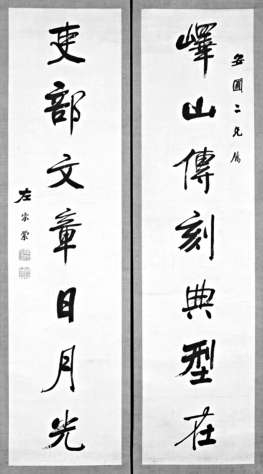
莫去“涂改”左宗棠
Bei Jing Wan Bao· 2025-08-20 07:14
Core Viewpoint - The documentary "Zuo Zongtang Recovers Xinjiang" highlights the historical significance and military prowess of Zuo Zongtang, emphasizing his dedication to national unity and his struggles against separatist forces [1][2]. Group 1: Historical Context - Zuo Zongtang, a prominent figure among the "Four Great Ministers of the Qing Dynasty," is portrayed as a national hero whose legacy has been distorted by entertainment and rumors [1][2]. - The documentary showcases Zuo's determination, famously stating, "It would be a fortunate thing for a sixty-year-old man to die on the battlefield" [1]. Group 2: Personal Background and Education - Contrary to popular belief, Zuo Zongtang was not a natural genius; he faced multiple failures in the imperial examination system, which he eventually abandoned [2][3]. - His early education was marked by hardship, and he began studying formal literature at the age of nine, focusing on rote memorization [3][4]. Group 3: Career and Achievements - Zuo Zongtang's career was characterized by his commitment to agricultural studies and military service, leading to significant contributions in various administrative roles [6][7]. - He was appointed as a military leader during critical periods, including the Taiping Rebellion, where he demonstrated strategic acumen [10][11]. Group 4: Personal Values and Ethics - Zuo Zongtang maintained a reputation for integrity, with no allegations of embezzlement or corruption throughout his career, despite the financial challenges faced by his military campaigns [12][13]. - His lifestyle reflected a commitment to frugality and public service, often prioritizing the welfare of his soldiers over personal gain [13][14]. Group 5: Legacy and Historical Interpretation - The narrative surrounding Zuo Zongtang has been influenced by cultural myths and misconceptions, necessitating a reevaluation of his true character and contributions [2][16]. - Scholars argue that Zuo's traditional values sometimes hindered his ability to adapt to modern developments, reflecting a broader tension within late Qing governance [15][16].