科技资本参与政治

Search documents
马斯克组党:科技寡头搅动美国政治的野心与困局
Sou Hu Cai Jing· 2025-06-11 15:46
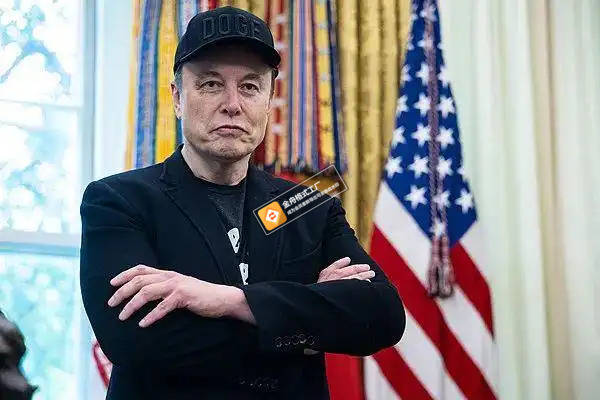
Group 1 - The establishment of the "American Party" by Musk signifies a public challenge to the traditional political system in the U.S., driven by a deep-seated crisis in the political ecology [2] - Musk's political motivations stem from a conflict with Trump over policies that threaten Tesla's financial interests, prompting Musk to seek political protection through the formation of a new party [2] - The "American Party" aims to represent the interests of the 80% of moderates dissatisfied with the current political polarization, reflecting a significant ideological vacuum in American society [4] Group 2 - Despite Musk's substantial resources, including a net worth of $200 billion and control over the X platform, the U.S. electoral system poses significant barriers for third-party candidates, requiring millions of signatures for ballot access [6] - Historical precedents, such as Theodore Roosevelt's Progressive Party, demonstrate the potential for technological influence to translate into political power, despite the challenges faced by new political entities [6] - The formation of the "American Party" could alter the dynamics of the 2026 midterm elections by potentially siphoning off 5%-10% of Republican votes, impacting key state outcomes [7] Group 3 - Musk's vision for governance includes deregulation of AI and privatization of space resources, which may compel the existing parties to adjust their policy agendas [7] - The "American Party" may serve more as a political lever for Musk rather than a direct governance entity, allowing him to influence power dynamics indirectly [7] - The future trajectory of this political experiment will depend on whether technological capital can overcome institutional barriers and reshape the American political landscape [7]