电动汽车

Search documents
最后600辆特斯拉
汽车商业评论· 2026-04-02 23:06
Core Viewpoint - Tesla has officially ended custom orders for the Model S and Model X, marking the retirement of these pioneering electric vehicles after over a decade of production, with only about 600 inventory vehicles remaining globally [5][6][9]. Group 1: Retirement Announcement - Elon Musk announced the end of custom orders for Model S and Model X via social media, highlighting the emotional significance of this decision [3][5]. - The official retirement ceremony will commemorate the impact these models had on electric transportation over the past fourteen years [5][10]. - The decision to retire these models was anticipated by employees and investors, as Musk had previously indicated plans to phase them out to focus on other projects [7][9]. Group 2: Sales and Market Dynamics - Model S and Model X have seen a significant decline in sales, with actual sales in 2025 estimated at around 30,000 units, a small fraction of the Fremont factory's annual capacity of 100,000 units [12][13]. - In 2025, Tesla's most popular models were the Model 3 and Model Y, which accounted for 97% of the company's total deliveries of 1.59 million vehicles [12]. - The market landscape has shifted, with Tesla ceasing to report sales data for Model S and Model X separately, grouping them with other models [11]. Group 3: Strategic Shift - The retirement of Model S and Model X is part of a broader strategic shift as Tesla aims to transition from a car manufacturer to a technology-driven company focused on autonomous driving and robotics [22][26]. - Musk envisions a future where the majority of driving will be autonomous, reducing the importance of traditional car sales [23][26]. - Analysts suggest that Tesla's long-term valuation is increasingly tied to its ambitions in robotics and autonomous vehicles, with estimates indicating that up to 90% of its future value may come from these sectors [28][29]. Group 4: Financial Challenges and Investments - Tesla is facing significant financial challenges, with a nearly 16% decline in annual sales and a 46% drop in profits in 2025 [17]. - The company plans to invest over $20 billion in new production lines and AI infrastructure in 2026, excluding additional investments for semiconductor production [32][36]. - Analysts express concerns about the feasibility of Tesla's ambitious plans, particularly regarding the high costs associated with building semiconductor manufacturing facilities [36][37]. Group 5: Future Outlook - The transition to an AI-focused company is seen as a high-stakes gamble for Tesla, with expectations that meaningful revenue from autonomous taxi services may not materialize until 2027 [38][39]. - The company's ability to secure funding for its ambitious projects remains a critical question, with some analysts suggesting the possibility of Tesla needing to raise external capital for the first time since 2020 [37].


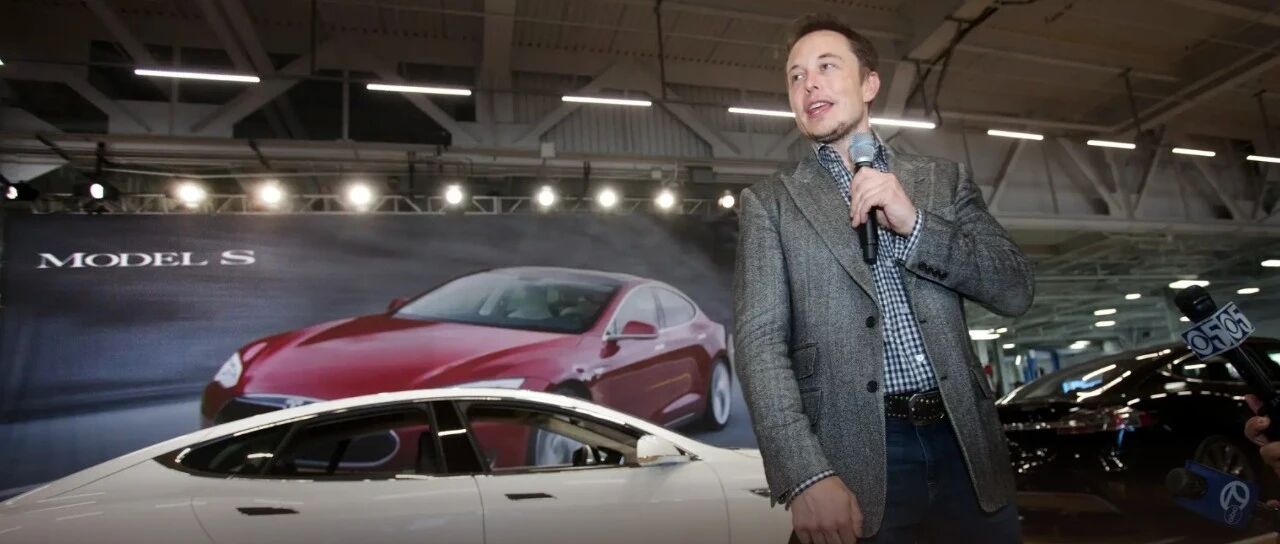
不管路人死活?医生推荐71岁眼疾患者用FSD开车,特斯拉点赞支持;苹果深夜大乌龙!国行AI意外上线又紧急撤回;爱奇艺拟在港交所上市
雷峰网· 2026-03-31 00:30
Key Points - Tesla's Full Self-Driving (FSD) feature is being promoted in a controversial manner, as a doctor recommended a visually impaired 71-year-old patient to use it, raising safety concerns about its L2 classification [4][5] - A major gaming company reported a significant loss of 1.477 billion yuan due to the failure of a self-developed game, leading to a drastic reduction in workforce from 710 to 260 employees [8][9] - BAIC Blue Valley has undergone a leadership change with new appointments, while also reporting a significant increase in vehicle sales for 2025, although it continues to face substantial losses [11][12] - Moore Threads secured a contract worth 660 million yuan, indicating its growing presence in the GPU market and successful delivery capabilities [16][17] - BYD expressed confidence in exceeding its 2026 export target of 1.5 million vehicles by 15%, supported by strong overseas sales [24] - iQIYI has submitted a listing application to the Hong Kong Stock Exchange, part of a broader trend of Baidu-affiliated companies seeking to go public [56][57] - Nokia announced plans to cut approximately 4,100 jobs globally to restructure and address challenges in the telecommunications market [50][51]





美股“七巨头”,本周市值蒸发超6万亿元
财联社· 2026-03-28 04:29
Group 1 - The core viewpoint of the article highlights the significant decline in the U.S. stock market, particularly among major technology companies, due to ongoing geopolitical tensions in the Middle East [3][4]. - The Nasdaq index experienced a weekly drop of 3.23%, marking the largest single-week decline since April of the previous year [4]. - The combined market value of the "Seven Giants" in the tech sector decreased by over $880 billion (approximately 61 trillion RMB) during the week [6]. Group 2 - Among the "Seven Giants," Meta had the worst performance, with a weekly decline exceeding 11%, the largest drop since October 2025, influenced by a significant court ruling regarding social media addiction [6][7]. - Google/Alphabet also faced a nearly 9% drop, following the same court ruling as Meta [7]. - Microsoft saw a decline of 6.57%, with its stock down nearly 34% from historical highs [8]. - Apple was the only tech giant to maintain an upward trend, with plans to allow more AI companies to integrate with its Siri voice assistant, to be detailed at the upcoming WWDC conference [8]. - Micron Technology recorded an overall drop of 15.53% for the week, following a strong earnings report and intensified competition from Google's new compression algorithm [8]. Group 3 - The focus of the market is shifting towards Elon Musk's next moves, with SpaceX expected to file for an IPO soon, potentially setting a new record for global IPO fundraising [10]. - Tesla is also set to announce its quarterly delivery data next week, which will be closely monitored by investors [10].





日本汽车的面子工程,彻底黄了
汽车商业评论· 2026-03-26 23:06
Core Viewpoint - The joint electric vehicle project Afeela between Sony Group and Honda Motor Co. has been officially terminated, just months before the planned delivery of its first model, highlighting the challenges faced in the rapidly evolving electric vehicle market [3][5][30]. Group 1: Project Overview - Afeela was intended to combine Sony's digital technology with Honda's automotive design and manufacturing capabilities to create a "mobile entertainment platform" [4]. - The first model was set to start accepting orders in 2025, with a planned delivery in late 2026 at a minimum price of $89,900 [5]. - The second model's development has also been shelved, and customers who pre-ordered the Afeela 1 will receive full refunds [5]. Group 2: Reasons for Failure - The failure of the Afeela project can be attributed to the product itself, which has not been able to keep pace with competitors in the electric vehicle market [7][20]. - Afeela 1's design has lost its initial appeal, and compliance issues led to significant changes that undermined its original vision of a fully digital driving experience [11][12]. - The vehicle's performance metrics, such as a range of approximately 300 miles and a maximum charging power of 150 kW, lag behind competitors like BMW and Tesla, which have surpassed 400 miles in range [16][17]. Group 3: Market Context and Strategic Shifts - The electric vehicle market has seen a slowdown in demand, while development costs continue to rise, impacting the viability of new entrants like Afeela [27]. - Honda's strategic pivot away from electric vehicle launches in North America, including the cancellation of three planned models, has critically weakened the joint venture's foundation [30]. - Financial losses for Honda, projected to reach 69 billion yen for the fiscal year 2025, have intensified the urgency for reevaluation of its electrification strategy [30]. Group 4: Dealer Reactions and Industry Implications - The termination of the Afeela project has relieved traditional automotive dealers, who viewed the initiative as a costly distraction that threatened their business [35]. - The project was criticized for its direct-to-consumer sales model, which faced legal challenges from dealer associations [36]. - With Afeela's exit, the traditional dealership model remains unchallenged, allowing dealers to refocus on core business operations [37].


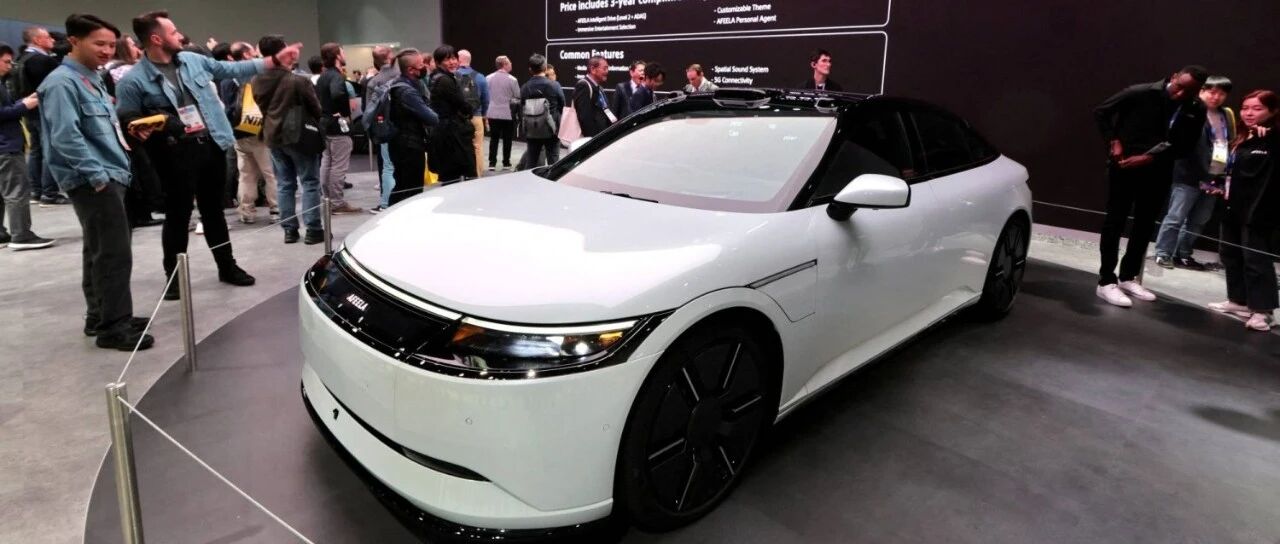
本田和索尼叫停电动汽车合资项目
券商中国· 2026-03-26 03:10
Core Viewpoint - Sony Group and Honda Motor announced the termination of their joint venture "Sony Honda Mobility" (SHM) and the Afeela electric vehicle series development and launch plans, which were in the final testing phase before mass production [1][4]. Group 1 - The Afeela 1 model had begun pre-production and was originally scheduled for delivery in mid-2026 in Japan and California, with a starting price of $102,900 [1][4]. - The decision to halt the project was due to Honda's reassessment of its electrification strategy, rendering the original business plan unfeasible [4]. - Sony expects that this change will not have a significant impact on its financial status, given the "light asset" operational model adopted by Sony Honda Mobility [4]. Group 2 - The collaboration between Honda and Sony began in March 2022 with a strategic alliance memorandum in the mobility sector, followed by a formal joint venture agreement in June 2022, establishing Sony Honda Mobility with a registered capital of 1 billion yen, with both parties holding 50% shares [4]. - The initial plan was to start electric vehicle sales and services by 2025 [4].

小米:智能手机与AIoT面临挑战
citic securities· 2026-03-25 12:18
Investment Rating - The report does not explicitly provide an investment rating for the company [2] Core Insights - The report aligns with the views of CITIC Lyon Research, indicating that Xiaomi's Q4 2025 performance met expectations, with total revenue increasing by 7.3% year-on-year to 116.9 billion yuan, while adjusted core EBIT (excluding other income) fell by 32% to 4.6 billion yuan [4] - The smartphone and AIoT segments are facing challenges, but the electric vehicle (EV) business remains strong, with expectations of continued resilience in 2026 due to new model launches [4] Summary by Relevant Sections Smartphone Performance - Xiaomi's smartphone revenue decreased by 13.6% year-on-year to 44.3 billion yuan, primarily due to declines in both shipment volume and average selling price (ASP) [5] - Global smartphone shipments fell by approximately 12% year-on-year to 37.7 million units, with declines in China, India, and other regions [5] - The average selling price decreased by 2.2% year-on-year to 1,176 yuan, influenced by lower prices in overseas markets, although partially offset by higher prices in China due to an increase in high-end model sales [5] - The gross margin for smartphones declined by 3.8 percentage points year-on-year to 8.3% due to surging memory costs [5] AIoT Business - AIoT revenue fell by 20.3% year-on-year to 24.6 billion yuan, impacted by reduced state subsidies and increased competition, although growth in overseas sales of tablets and TVs provided some offset [6] - The home appliance segment showed strong growth, with air conditioner sales up 24% year-on-year to 8.5 million units, refrigerators up 4% to 2.8 million units, and washing machines up 18% to 2.3 million units [6] - AIoT gross margin remained stable at 20.1% [6] Electric Vehicle Segment - Xiaomi's electric vehicle revenue surged by 122% year-on-year to 36.3 billion yuan, driven by the launch of the YU7 series, with deliveries reaching 145,115 units [7] - The average selling price for electric vehicles increased by 6.6% year-on-year to 249,846 yuan, with the EV segment achieving an EBIT of 1.1 billion yuan [7] - The target for electric vehicle deliveries in 2026 is set at 550,000 units, with a strong order book for the new SU7 model [7] Catalysts - Key catalysts include the release of new smartphone models, recovery in smartphone shipments, healthy gross margin levels, integration of AI products, and progress in the electric vehicle business [9]
未来10年,这18个赛道将带来48万亿美元收入
创业家· 2026-03-25 10:17
Core Insights - McKinsey's report identifies 18 industry sectors likely to reshape the global business landscape, predicting revenues of $29 trillion to $48 trillion by 2040, contributing 18-34% to global GDP growth [2] E-commerce - By 2040, e-commerce's share of global retail revenue could reach 27%-38%, up from approximately 20% currently [3] - Growth drivers include market expansion in developing countries and new product categories in developed nations, such as healthcare and emotionally valuable products [4] - Significant investments are expected in customer acquisition and last-mile delivery across e-commerce platforms [5] Electric Vehicles - Electric vehicles (EVs) are projected to exceed 50% of global passenger car sales by 2040 [6] - Breakthroughs in battery technology and smart algorithms will significantly influence this sector, prompting increased R&D investments from both EV manufacturers and traditional automakers [7] Cloud Services - The demand for storage and computing power is rising as the world becomes more interconnected, with new AI products requiring substantial computational resources [9] - The cloud services industry experienced a 17% compound annual growth rate from 2005 to 2020, with similar growth expected in the coming decades [10] Semiconductors - Semiconductors are foundational to the digital world, with demand from various sectors driving rapid growth [11] - The semiconductor industry is expected to maintain a 6%-8% compound annual growth rate over the next decade [11] AI Software Services - The rapid development of AI has led to its classification as a distinct sector, with increasing usage of AI assistants [12] - Companies in the AI space are engaged in a competitive race to develop advanced foundational models and applications [13] Digital Advertising - Digital advertising, through search, social media, and media platforms, is expanding in value as internet usage among the middle class increases [14] - Continuous algorithm improvements enhance platforms' abilities to target customers and track advertising costs, although competition for user attention drives platforms to invest heavily in engaging content [15] Streaming Video - Increased investment in customer acquisition and content production may lead streaming platforms to seek new revenue models [17] - Developing countries are expected to contribute to growth in subscription and advertising revenue for streaming services, with projections of over 1 billion households subscribing to long-form video services by 2040 [18] Shared Autonomous Vehicles - The advent of autonomous driving technology may reduce the necessity for personal vehicle ownership [19] - By 2040, shared autonomous vehicles could account for 25%-51% of shared mobility revenue [20] Space Economy - The world is on the brink of entering a space economy era, with advancements in reusable rocket technology changing the aerospace industry [21][22] Cybersecurity - Cybercrime caused approximately $950 billion in direct economic losses in 2020, with indirect losses potentially reaching $4-6 trillion [24] - Increasing awareness of cybersecurity has led businesses to invest more in enhancing their security measures [25] Batteries - Significant advancements in battery technology have tripled energy density over the past few decades [26] - The global energy transition is driving demand for batteries, particularly in electric vehicles, energy storage, and consumer electronics, with EVs expected to represent over 80% of the battery market by 2040 [28] Video Games - By 2030, an estimated 40% of the global population may become video game players [30] - New gaming models, such as mobile and cloud gaming, are accelerating market growth, with free-to-play games generating substantial revenue [32] Robotics - The integration of AI with robotics is creating significant expectations for humanoid robots as potential "ultimate intelligent agents" [33] Industrial and Consumer Biotechnology - Advances in gene editing and other technologies are accelerating the application of biotechnology in agriculture, alternative proteins, consumer products, and bio-materials [37] Modular Construction - Modular construction methods, which involve prefabricating building components, can significantly enhance construction efficiency [38] Nuclear Fission Power - The development of safer, smaller modular reactors may supplement renewable energy sources [39] Air Traffic - Electric vertical takeoff and landing vehicles and delivery drones represent major technological shifts in air traffic [41] Obesity Treatment Drugs - The prevalence of obesity is projected to rise from 15% in 2020 to 24% by 2035, indicating a potential market for effective weight loss products [43]

比亚迪5分钟极速充电,震惊美媒
半导体行业观察· 2026-03-24 03:20
Core Viewpoint - BYD has significantly improved its fast-charging technology, allowing certain electric vehicle batteries to charge from 10% to 70% in five minutes and fully charge in about nine minutes, which could add over 600 miles of range in the time it takes to order a coffee [2] Group 1: Charging Technology - BYD's new fast-charging technology can deliver up to 1500 kW of power, compared to the common 350 kW chargers in the U.S. that take 15 to 25 minutes to charge to 80% [2] - The new Blade battery technology, which utilizes lithium manganese iron phosphate (LMFP), enhances energy density and charging speed [3] - The energy density of BYD's latest battery has improved by 5% compared to the previous year's model, with the Tengshi Z9GT capable of exceeding 620 miles (approximately 1000 kilometers) on a single charge [4] Group 2: Infrastructure and Market Challenges - BYD plans to integrate its new charging stations into the existing infrastructure, simplifying deployment and preventing grid overload by equipping charging stations with energy storage batteries [5] - Despite the impressive charging speed, experts suggest that this advancement may not significantly change the daily lives of most electric vehicle owners, as many can charge at home [6] - The U.S. electric vehicle market faces challenges, including the cancellation of upcoming electric models by Honda and others, and a lack of federal support for electric vehicles, which hinders market growth [6]

伊朗冲突爆发后,亚洲各地的比亚迪经销店生意火爆
Xin Lang Cai Jing· 2026-03-21 12:49AI Processing
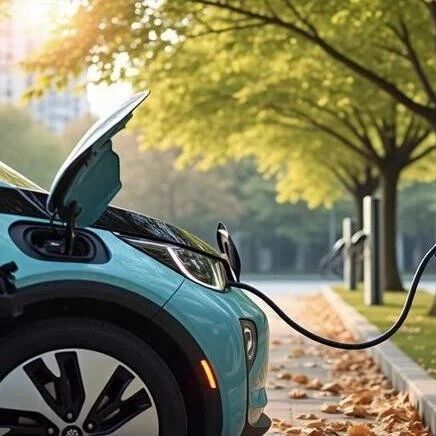
在菲律宾马尼拉金融区的一家比亚迪汽车经销店,中国公司生产的电动汽车需求量非常高,销售人员 Poh表示,过去两周内的订单量已相当于以往一个月的水平,"由于油价上涨,客户纷纷用电动汽车替换 燃油汽车"。在越南河内一家VinFast(VFS.O)展厅,由于客户到访量翻了四倍,该店不得不增聘销售人 员。自伊朗战争爆发以来的三周内,该展厅已售出250辆电动汽车。这意味着每周销量超过80辆,是 2025年平均销量的两倍。亚洲开发银行首席经济学家阿尔伯特·帕克表示,油价上涨正在创造经济动 力,加速向电动汽车的转型。 ...
未来10年,这18个赛道将带来48万亿美元收入
创业家· 2026-03-20 10:20
Core Insights - McKinsey's report identifies 18 industry sectors likely to reshape the global business landscape, predicting revenues of $29 trillion to $48 trillion by 2040, contributing 18-34% to global GDP growth [2] E-commerce - By 2040, e-commerce's share of global retail revenue is expected to rise to 27%-38%, up from approximately 20% currently [3] - Growth drivers include market expansion in developing countries and new product categories in developed nations, such as healthcare and emotionally valuable products [4] - Significant investments are anticipated in customer acquisition and last-mile delivery across e-commerce platforms [5] Electric Vehicles - Electric vehicles (EVs) are projected to exceed 50% of global passenger car sales by 2040 [6] - Breakthroughs in battery technology and smart algorithms will significantly influence this sector, prompting increased R&D investments from both EV manufacturers and traditional automakers [7] Cloud Services - The demand for higher storage and computing capabilities is rising as the world becomes more interconnected, particularly with the advent of new AI products requiring substantial computational power [9] - The cloud services industry experienced a compound annual growth rate (CAGR) of 17% from 2005 to 2020, with similar growth expected in the coming decades [10] Semiconductors - The semiconductor industry is forecasted to grow at a CAGR of 6%-8% over the next decade, driven by demand across various sectors including computing, data storage, automotive, and industrial electronics [11] AI Software Services - The rapid development of AI has led to its classification as a distinct sector, with increasing numbers of users adopting AI assistants [12] - Companies in the AI space are engaged in a competitive race to develop advanced foundational models and applications [13] Digital Advertising - Digital advertising is expanding in value as the global middle class increases and internet usage rises, with algorithms improving the ability to target customers and track advertising costs [14] - Platforms must invest heavily to create engaging content to capture user attention amid competition [15] Streaming Video - Investment in customer acquisition and content production is rising, prompting streaming platforms to seek new revenue models [17] - Developing countries are expected to contribute to growth in subscription and advertising revenue, with projections indicating over 1 billion households subscribing to long-form video services by 2040 [18] Shared Autonomous Vehicles - The advent of autonomous driving technology may reduce the need for personal vehicle ownership, with shared autonomous vehicles projected to account for 25%-51% of shared mobility revenue by 2040 [19][20] Space Economy - The world is on the brink of entering a space economy era, with advancements in reusable rocket technology changing the aerospace industry [21][22] Cybersecurity - Cybercrime caused direct economic losses of approximately $950 billion in 2020, with indirect losses potentially reaching $4-6 trillion [24] - Increasing awareness of cybersecurity has led companies to enhance their investments in this area [25] Batteries - Significant advancements in battery technology have tripled energy density over the past few decades, with demand driven by the energy transition, electric vehicles, and consumer electronics [26][27] - By 2040, electric vehicles are expected to account for over 80% of the battery market [28] Video Games - By 2030, an estimated 40% of the global population may become video game players, driven by new mobile and cloud gaming models [30] - Free-to-play games are generating substantial revenue, with budgets for AAA games reaching $200 million for releases in 2025 [32] Robotics - The integration of AI with robotics is expected to lead to significant advancements, with humanoid robots being viewed as potential "ultimate intelligent agents" [33][34] Industrial and Consumer Biotechnology - Breakthroughs in gene editing and other technologies are accelerating the application of biotechnology in agriculture, alternative proteins, consumer products, and biomaterials [37] Modular Construction - Modular construction methods, which involve prefabricating building components for on-site assembly, can significantly enhance construction efficiency [38] Nuclear Fission Power - The development of safer, smaller modular reactors presents opportunities for supplementing renewable energy sources [39] Air Traffic - Electric vertical takeoff and landing vehicles and delivery drones are poised to revolutionize air traffic, although regulatory progress remains a key factor [41] Obesity Treatment Drugs - The prevalence of obesity is projected to rise from 15% in 2020 to 24% by 2035, indicating a potential market for effective weight loss products [43]