简牍文化

Search documents
镜观·回响丨大道至简 牍照辉光
Bei Jing Ri Bao Ke Hu Duan· 2025-10-29 14:59
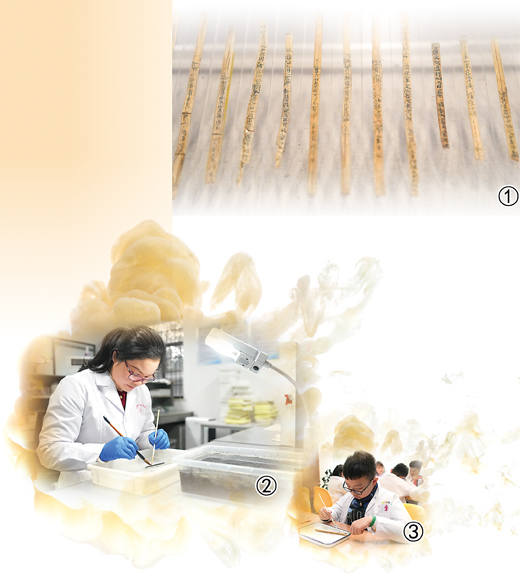
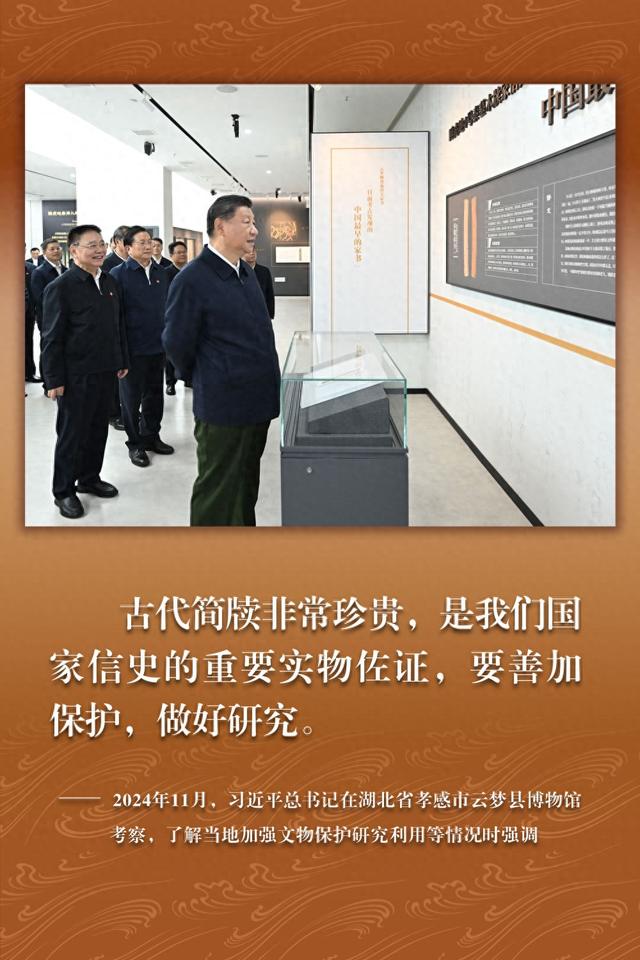
Core Points - The article emphasizes the importance of bamboo and wooden slips (jian and du) as primary forms of written communication in ancient China before the invention of paper, serving as crucial carriers of Chinese cultural heritage [1][8] - In 2024, President Xi Jinping made significant directives regarding the protection and research of these ancient slips [1] - The exhibition "Reading China: The Exhibition of Unearthed Bamboo and Wooden Slips" was held at the Hubei Provincial Museum on October 28, 2025, showcasing recent achievements in the protection and research of ancient slips [3][5] Group 1 - Bamboo and wooden slips are vital for understanding ancient Chinese life, containing diverse content that reflects various aspects of society, including literature, academic, and artistic values [16] - Archaeological efforts have led to significant discoveries, such as the wooden slips from the M274 tomb in Yunmeng, which were recognized as one of the top archaeological finds in 2021 [11] - The Hubei region is a major site for slip discoveries, with a complete chronological sequence of slips from various dynasties, providing immense historical research value [22] Group 2 - The preservation of these slips is challenging due to their fragile nature, but effective protection methods have been developed by cultural heritage workers [23][25] - The Jingzhou Cultural Relics Protection Center has been pivotal in the preservation of approximately 80% of the slips in China, developing key technologies for their protection [25] - Various exhibitions and educational activities aim to engage younger generations with the rich history represented by these ancient slips, fostering a deeper appreciation for Chinese heritage [29][35]

读取楚汉文化的千年“存储卡”(文化中国行·走进专题博物馆)
Ren Min Ri Bao· 2025-04-26 21:58
Core Insights - The Changsha Bamboo Slip Museum has seen a significant increase in visitors, reaching nearly one million in 2024, marking a historical high since its opening in 2007 [2] - The museum houses over 100,000 bamboo slips, accounting for approximately one-third of the total bamboo slips discovered in China, showcasing the rich history and culture of ancient China [2][5] - The preservation and restoration of bamboo slips are complex processes, requiring meticulous care and attention to detail to maintain their integrity and historical significance [11][12][13] Visitor Engagement - The museum has successfully transformed from a niche interest to a popular cultural destination, with educational programs reaching over 700 sessions in schools, benefiting more than 50,000 students [15][17] - Interactive experiences, such as augmented reality and hands-on restoration workshops, have been introduced to engage younger audiences and promote the understanding of bamboo slip culture [17][18] Cultural Significance - The bamboo slips serve as vital historical documents, providing insights into governance, taxation, and daily life during the Three Kingdoms period, particularly in the Sun Wu region [3][5][6] - The discovery of the "Changsha Zouma Lou Three Kingdoms Wu Slips" in 1996 has been pivotal in establishing Changsha as a significant center for bamboo slip research and preservation [5][7] Preservation Efforts - The museum employs advanced preservation techniques to manage the high moisture content of the bamboo slips, which can exceed 500%, ensuring their longevity and readability [11][12] - Continuous research and development in preservation methods have been ongoing for over 20 years, contributing to the broader field of ancient document conservation [13][14]