算力资本化

Search documents
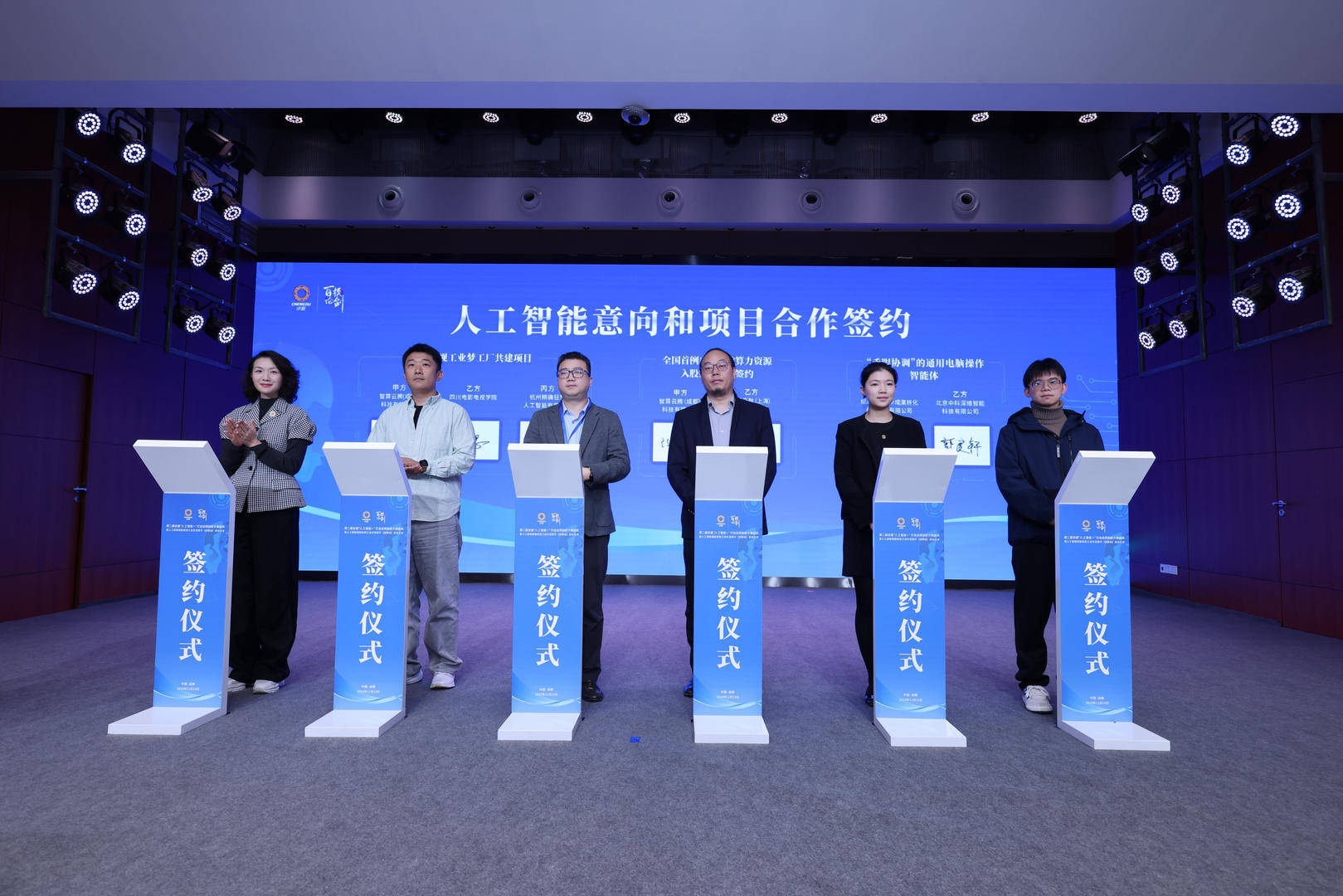
破局“算力焦虑” 首例自主可控算力资源入股投资落地成都高新区
Sou Hu Cai Jing· 2025-11-18 02:30
Core Insights - A strategic investment was made by Zhican Yunteng, the operator of Chengdu Intelligent Computing Center, in Yimai Yunsu (Shanghai) Technology Co., marking the first instance of self-controlled computing power being used as equity in a company [2][3] - The investment aims to address the high costs of computing power that hinder many startups, providing a new financing channel for innovative enterprises [2] - Zhican Yunteng plans to productize the "computing power equity" model and collaborate with more high-growth AI companies to establish industry standards for "computing power capitalization" [2] Group 1 - The collaboration between Zhican Yunteng and Yimai Yunsu was initiated quickly with the support of Chengdu High-tech Zone, highlighting the efficiency of the "Chengdu High-tech Speed" [3] - Yimai Yunsu has established its national headquarters for industrial AI large models in Chengdu High-tech Zone, leveraging local advantages in industrial ecology, policy support, and talent aggregation [3] - The partnership aims to create a "value symbiosis" and achieve a win-win scenario for all parties involved [3] Group 2 - Chengdu High-tech Zone has attracted over 600 key enterprises in AI and robotics, forming a complete industrial chain across foundational, technical, and application layers [4] - Three companies from the zone made it onto the Ministry of Industry and Information Technology's "TOP 100" list for AI enterprises, marking a significant achievement [4] - Four companies from Chengdu High-tech Zone were included in the first batch of nine AI chain master enterprises in the province [4]


破解AI算力成本之困 成都推出全国首例“算力资源入股”
Sou Hu Cai Jing· 2025-11-17 14:12
Core Viewpoint - The 20th Central Committee's Fourth Plenary Session outlines the development blueprint for the "15th Five-Year Plan" period, emphasizing the importance of computing power as a core element in technological innovation and industrial transformation, particularly in promoting intelligent, green, and integrated development [1]. Group 1: Industry Context - The rapid development of AI technology has made computing power a core production factor, but high leasing costs for computing power severely restrict the growth of startups [3]. - Traditional models require companies to continuously pay for computing power, which consumes resources that could be allocated to research and market development, prompting the introduction of the "computing power equity" model [3]. Group 2: Innovative Model - The "Cloud Teng Plan" innovatively redefines computing power from a "service cost" to a "strategic capital," allowing for the assessment of computing power value based on research and development needs, which is then converted into equity for the company [3]. - This model transforms the relationship between companies and service providers, alleviating cash flow pressure and creating a "community of interests" between both parties [3]. Group 3: Strategic Implications - The collaboration creates a win-win situation for enterprises, platforms, and local industries, with the company transitioning from a "tenant" to a "partner," reducing fixed costs while gaining technical support and industry resources [3]. - For the computing power provider, this represents a strategic shift from being a "landlord" to an "industry partner," allowing for shared growth benefits and promoting regional AI industry clustering [3]. - The "Cloud Teng Plan" serves as a magnet showcasing the city's innovation capabilities, reinforcing Chengdu's label as a "new high ground for the artificial intelligence industry" [3]. Group 4: Future Outlook - The computing power provider plans to open this model to more high-growth AI companies and aims to establish industry standards for "capitalizing computing power," fostering a new ecosystem for the AI industry that is open and mutually beneficial [3].
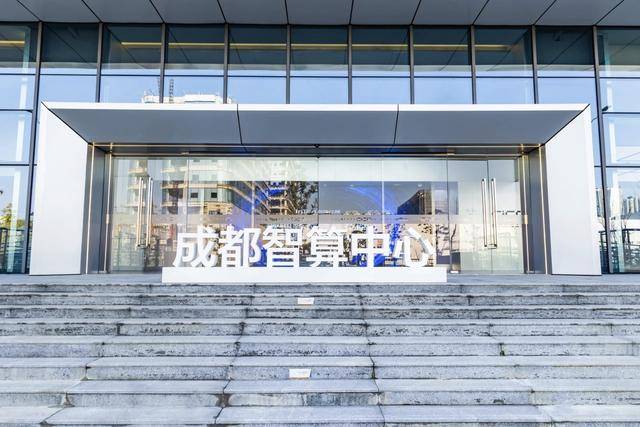
全国首例自主可控算力资源入股投资项目落地成都,破局AI企业“算力焦虑”
Sou Hu Cai Jing· 2025-11-14 11:49
Core Insights - The article highlights a strategic investment by Zhican Yunteng in Yimai Yunsu, marking the first instance of autonomous controllable computing power being used as equity in a partnership, aimed at alleviating the "computing power anxiety" faced by AI companies [1][2] Group 1: Investment and Collaboration - Zhican Yunteng's investment in Yimai Yunsu represents a new path for capitalizing computing resources, transforming them from a service cost into strategic capital [2][4] - This collaboration opens a new financing channel for innovative enterprises, allowing them to redirect funds from computing costs to technology development and market expansion [2][4] Group 2: Strategic Model and Industry Impact - The "Yunteng Plan" redefines computing power needs into equity stakes based on specific R&D cycles, effectively reducing cash flow pressure associated with traditional computing power leasing [4] - The partnership creates a "value symbiosis" involving enterprises, platforms, and local industries, facilitating a win-win scenario for all parties involved [5] Group 3: Benefits to Stakeholders - Yimai Yunsu transitions from a "tenant" to a "partner," significantly lowering fixed costs and gaining ongoing technical support and opportunities for industry chain integration [6] - Zhican Yunteng evolves from a "landlord" of computing power to an "industry partner," enhancing platform stickiness and attracting more high-growth AI companies for similar collaborations [6] - The "Yunteng Plan" positions Chengdu as a leader in providing not just computing power but also innovative financial solutions to empower the AI industry [6] Group 4: Future Directions - Zhican Yunteng plans to productize this model and expand its computing resources to collaborate with more high-growth AI companies, aiming to establish industry standards for "capitalization of computing power" [7]