系统性压迫

Search documents
《疯狂动物城2》票房爆了,但那个理想主义的乌托邦没了
经济观察报· 2025-12-09 10:21
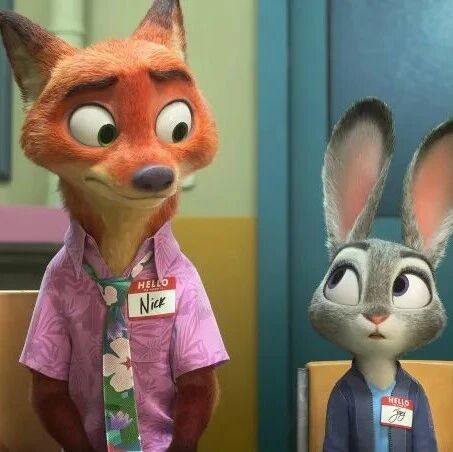
Core Viewpoint - "Zootopia 2" represents a post-globalization adult fairy tale, reflecting a shift from the optimistic spirit of individual change to a more complex understanding of societal issues and the importance of mutual care in a complicated world [1][29]. Group 1: Themes and Character Analysis - The first "Zootopia" film showcased overt biases, such as Judy's career aspirations being dismissed due to her species, and Nick's inherent distrust as a fox, highlighting individual identity and surface-level prejudices [5][23]. - In "Zootopia 2," overt biases have transitioned to subtle forms of discrimination, with systemic oppression becoming more pronounced, particularly against reptiles, who face historical erasure and marginalization [24][25]. - The film illustrates the concept of "size politics," where larger animals dominate and smaller ones are marginalized, reflecting societal hierarchies and biases based on physical attributes [6][19]. Group 2: Societal Reflection and Historical Context - The narrative of "Zootopia 2" critiques the systemic roots of prejudice, emphasizing that while overt discrimination may have diminished, microaggressions and institutional biases persist [24][28]. - The film's portrayal of the reptile community's struggles serves as a metaphor for real-world issues of systemic inequality and historical injustices, echoing contemporary societal challenges [19][29]. - The character of Gary the snake symbolizes the marginalized groups facing existential threats due to systemic oppression, highlighting the need for awareness and action against such injustices [19][25]. Group 3: Conclusion and Future Implications - "Zootopia 2" does not promise a utopian resolution to prejudice but instead encourages ongoing dialogue and coexistence amidst differences, reflecting a more realistic approach to societal issues [26][29]. - The film's ending suggests that while change is slow and fraught with challenges, the effort to understand and address systemic biases is crucial for a more equitable future [26][29]. - The evolution of themes from the first to the second film mirrors the broader societal shift from optimism to a more nuanced understanding of complexity in addressing social issues [28][29].