
《疯狂动物城》

Search documents
宇宙第一法务想请你用 AI 生成米老鼠
Xin Lang Cai Jing· 2025-12-12 14:13
Core Viewpoint - Disney has entered a three-year licensing agreement with OpenAI, allowing the generation of images and videos featuring Disney's intellectual property starting in 2026, which includes over 200 characters from popular franchises like Mickey Mouse and Star Wars [2][12]. Group 1: Agreement Details - The agreement connects two companies with starkly different public stances on copyright issues, as OpenAI had previously informed studios to opt out to avoid their works appearing in its new application Sora [2][12]. - Disney will release a series of "curated" videos generated by Sora on its streaming platform Disney+, giving it significant control over how these AI-generated videos are showcased [6][15]. - The deal is seen as a way to legitimize AI-generated video media, with Disney having the discretion to determine the extent of video display [6][15]. Group 2: Financial Implications - Disney's $1 billion investment, while substantial, is relatively minor for OpenAI, which is projected to incur losses exceeding the total losses of Uber, Tesla, Amazon, and Spotify before they became profitable [6][15]. - The introduction of Disney characters may increase OpenAI's operational costs due to the need to pay additional copyright licensing fees alongside server operation costs [6][15]. Group 3: Strategic Positioning - Disney's choice of OpenAI as a partner reflects a strategic move to gain control over its intellectual property usage, especially as the company anticipates a shift in regulatory landscapes regarding AI [7][18]. - The agreement allows Disney to have a significant say in the future direction of technology development, establishing a joint advisory committee to oversee content generated on ChatGPT and Sora [9][18]. - This partnership may signal a new wave of speculation in the audiovisual content licensing sector, with Disney potentially securing advantageous negotiation terms [9][18]. Group 4: Competitive Landscape - OpenAI's current position is precarious, facing intense competition and still not achieving profitability, while it has signed infrastructure agreements worth over $1.4 trillion to gain a competitive edge [8][17]. - Disney's recent actions, including sending a cease-and-desist notice to Google, indicate its proactive approach in navigating the evolving AI landscape [8][17].


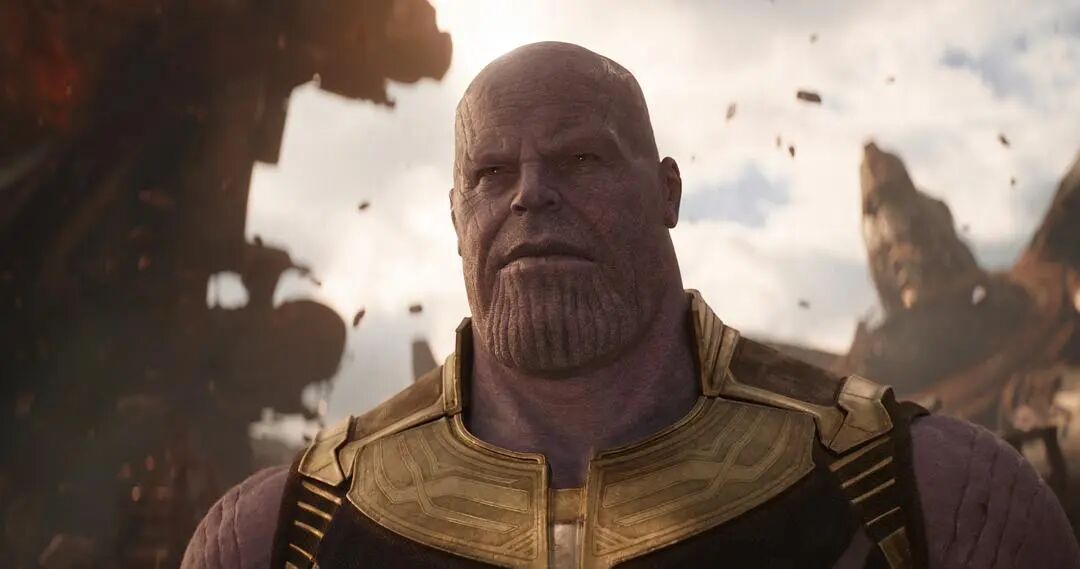
《疯狂动物城2》票房爆了,但那个理想主义的乌托邦没了
经济观察报· 2025-12-09 10:21
Core Viewpoint - "Zootopia 2" represents a post-globalization adult fairy tale, reflecting a shift from the optimistic spirit of individual change to a more complex understanding of societal issues and the importance of mutual care in a complicated world [1][29]. Group 1: Themes and Character Analysis - The first "Zootopia" film showcased overt biases, such as Judy's career aspirations being dismissed due to her species, and Nick's inherent distrust as a fox, highlighting individual identity and surface-level prejudices [5][23]. - In "Zootopia 2," overt biases have transitioned to subtle forms of discrimination, with systemic oppression becoming more pronounced, particularly against reptiles, who face historical erasure and marginalization [24][25]. - The film illustrates the concept of "size politics," where larger animals dominate and smaller ones are marginalized, reflecting societal hierarchies and biases based on physical attributes [6][19]. Group 2: Societal Reflection and Historical Context - The narrative of "Zootopia 2" critiques the systemic roots of prejudice, emphasizing that while overt discrimination may have diminished, microaggressions and institutional biases persist [24][28]. - The film's portrayal of the reptile community's struggles serves as a metaphor for real-world issues of systemic inequality and historical injustices, echoing contemporary societal challenges [19][29]. - The character of Gary the snake symbolizes the marginalized groups facing existential threats due to systemic oppression, highlighting the need for awareness and action against such injustices [19][25]. Group 3: Conclusion and Future Implications - "Zootopia 2" does not promise a utopian resolution to prejudice but instead encourages ongoing dialogue and coexistence amidst differences, reflecting a more realistic approach to societal issues [26][29]. - The film's ending suggests that while change is slow and fraught with challenges, the effort to understand and address systemic biases is crucial for a more equitable future [26][29]. - The evolution of themes from the first to the second film mirrors the broader societal shift from optimism to a more nuanced understanding of complexity in addressing social issues [28][29].
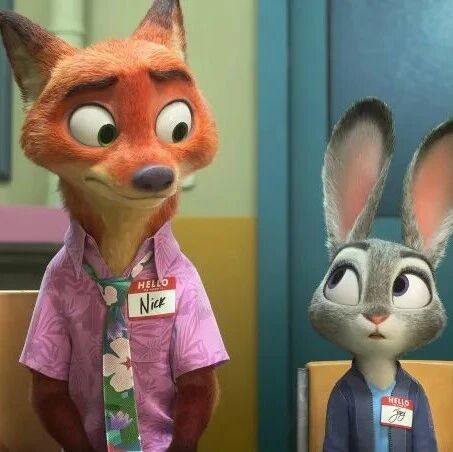
不再疯狂的动物城,消失的乌托邦
Jing Ji Guan Cha Bao· 2025-12-09 09:44
Core Perspective - The sequel to "Zootopia" reflects a significant thematic shift from individual optimism to systemic critique, highlighting the complexities of social structures and the persistence of prejudice in a post-globalization context [1][18][19] Group 1: Individual Bias and Systemic Injustice - The first film showcased individual biases through characters like Judy and Nick, who faced societal prejudices based on their species and size, illustrating the impact of stereotypes on personal aspirations [2][3][6] - The narrative in the first film emphasized overcoming personal biases and achieving dreams through individual effort, culminating in a hopeful resolution where characters transcend their identities [14][19] - In contrast, the sequel reveals that overt biases have transformed into subtle, systemic forms of discrimination, indicating a deeper, more entrenched societal issue that cannot be resolved through individual actions alone [13][15][19] Group 2: Systemic Oppression and Historical Context - The sequel introduces the character of Gary the snake, representing marginalized groups facing systemic oppression, highlighting the historical injustices and the erasure of their contributions to society [11][15] - The narrative illustrates a structured oppression system where the dominant mammalian species exploit and marginalize reptiles, reflecting real-world dynamics of power and privilege [11][12][15] - The film critiques the historical narrative manipulation by the ruling species, emphasizing the importance of acknowledging and confronting historical injustices rather than glossing over them [11][19] Group 3: Thematic Evolution and Societal Reflection - The shift from a narrative of individual empowerment to one of collective struggle mirrors the broader societal changes over the past nine years, where optimism has given way to a more nuanced understanding of systemic issues [1][18][19] - The sequel's exploration of coexistence amidst differences reflects a more mature perspective on societal challenges, advocating for ongoing dialogue and understanding rather than simplistic resolutions [16][19] - The film ultimately serves as a commentary on the complexities of modern society, urging viewers to confront uncomfortable truths about prejudice and systemic inequality while fostering resilience and connection [19]
《疯狂动物城》,越看越恐怖
虎嗅APP· 2025-12-07 13:06
Core Viewpoint - The article discusses the underlying themes and hidden messages in the movie "Zootopia," particularly focusing on the character dynamics and societal commentary present in the narrative [5][7]. Group 1: Character Analysis - The character of Chief Bogo is portrayed as a key figure who is aware of the truth behind the missing carnivores but chooses to delay action, indicating a deeper understanding of the situation [12][15]. - Judy Hopps, while seen as a hardworking individual, is actually a tool used for political gain, highlighting the manipulation within the system [27][30]. - The relationship between Judy and Chief Bogo reflects a tension between genuine effort and political expediency, with Bogo viewing Judy as a mere symbol rather than a capable officer [34][36]. Group 2: Societal Commentary - The film presents a false dichotomy between herbivores and carnivores, masking deeper societal issues related to size and power dynamics among different animal types [42][51]. - The narrative critiques the superficial nature of societal acceptance and diversity initiatives, suggesting that these efforts often overlook more significant underlying problems [58][63]. - The evolution of societal themes from the first film to the present reflects a shift in cultural discourse, with the current narrative being less about individual potential and more about conforming to superficial diversity [64][66].
《疯狂动物城2》:公主王子幸福地成为了Partner,“然后”呢
经济观察报· 2025-12-07 10:53
Core Viewpoint - The article discusses the evolution of themes in the "Zootopia" franchise, particularly focusing on the concept of "difference" and how it affects relationships, emphasizing that while harmony is sought, differences persist in reality [5][9][11]. Summary by Sections Theme of Differences - "Different" is highlighted as the central theme of "Zootopia 2," with characters frequently referencing their differences, which ultimately create tension in relationships [9][10]. - The film illustrates that differences can lead to significant conflicts, as seen in the character dynamics between Judy and Nick, where their contrasting personalities lead to misunderstandings [8][9]. Character Dynamics - The relationship between Judy and Nick evolves from a partnership based on harmony to one that confronts the challenges posed by their inherent differences [7][8]. - The film uses humor and therapy sessions to parody real-life relationship counseling, showcasing the struggles of maintaining a partnership amidst differing perspectives [7][8]. Narrative Development - The sequel builds on the foundation laid by the first film, which presented an idealized version of coexistence, by exploring the complexities of relationships in a more realistic context [10][11]. - The narrative suggests that embracing differences is crucial for meaningful connections, as demonstrated by Judy and Nick's willingness to confront their vulnerabilities [11].

《疯狂动物城2》:公主王子幸福地成为了Partner,“然后”呢
Jing Ji Guan Cha Bao· 2025-12-07 09:36
Core Viewpoint - The sequel "Zootopia 2" explores the complexities of relationships and the theme of "difference" in a more nuanced way than its predecessor, emphasizing that while harmony is possible, the reality of differing personalities and perspectives can create challenges in partnerships [1][4][7] Group 1: Themes and Character Dynamics - The term "Partner" in the context of "Zootopia 2" carries dual meanings, referring both to a working partnership and a romantic relationship, highlighting the complexity of the characters' interactions [2][3] - The film shifts focus from the broader societal themes of coexistence in the first movie to the micro-level dynamics of the characters' daily lives, illustrating how their inherent differences can lead to conflicts [3][4] - The narrative emphasizes that while it is easy to love, it is challenging to coexist, with the characters facing the reality of their differences and the impact on their partnership [4][7] Group 2: Character Development and Plot Progression - The character dynamics between Judy and Nick reveal their contrasting personalities, with Judy being proactive and Nick exhibiting a more cautious nature, which leads to tension in their partnership [2][3] - The film introduces new characters and scenarios that further explore the theme of "difference," such as the character of the lynx who struggles with his identity and societal expectations [4][5] - The narrative suggests that true partnership involves acknowledging and embracing differences, as demonstrated by Judy and Nick's willingness to confront their insecurities and express their care for one another [6][7]
《疯狂动物城》,越看越恐怖
半佛仙人· 2025-12-07 04:12
Core Viewpoint - The article discusses the underlying themes and hidden narratives in the movie "Zootopia," particularly focusing on the character of Chief Bogo and the societal dynamics within the animal city, suggesting a deeper commentary on social issues and identity politics [5][16]. Group 1: Character Analysis - Chief Bogo is portrayed as a key figure who is aware of the truth behind the missing carnivores but chooses to delay action, indicating a manipulative nature [6][7]. - Judy Hopps, the protagonist, is depicted as a tool used by the political system to gain votes, highlighting the theme of being a pawn in a larger game [10][11]. Group 2: Societal Commentary - The film presents a complex view of societal divisions, particularly between herbivores and carnivores, while masking deeper issues related to size and power dynamics among different animal types [15][16]. - The narrative suggests that the apparent harmony in "Zootopia" is superficial, with underlying tensions that reflect real-world social issues, such as racial and identity politics [16]. Group 3: Evolution of Themes - The article notes a shift in the film's themes over the years, with earlier messages about inclusivity and potential being overshadowed by current societal challenges and corporate diversity initiatives that may not be effective [16]. - The commentary reflects on how the film's humor and satire have become more conservative in the context of contemporary societal changes [16].

《疯狂动物城2》救市,将冲击电影生产思维
Jing Ji Guan Cha Wang· 2025-12-02 04:23
Core Insights - "Zootopia 2" has achieved a box office of over 2 billion yuan in China, surpassing the previous record set by its predecessor in 2016, indicating strong audience demand and a potential total box office of 4.2 billion yuan [1] - The film's success has revitalized the cinema industry, demonstrating that the lack of appealing content, rather than audience reluctance, has been the primary issue [2] - The film's popularity among younger audiences (59% under 29 years old) signals a shift in film production focus towards younger demographics, which may influence future content creation [2] - The competitive landscape for imported films remains significant, as "Zootopia 2" shows that there is still potential for imported films to capture market share if they address issues of originality and thematic repetition [2] - Animation films are increasingly dominating the box office, with projections indicating that animated films could account for nearly half of the total box office in 2025, posing a challenge for live-action films [3] - The success of "Zootopia 2" reflects a pent-up demand for viewing experiences, particularly among younger audiences, and emphasizes the need for innovation in the film industry to maintain relevance [3]
动物城的“预制狂欢”,拯救迪士尼的中年危机
3 6 Ke· 2025-12-01 08:26
Core Insights - Disney's "Zootopia 2" has achieved significant box office success, surpassing 1.9 billion yuan in total revenue, despite mixed reviews regarding its storyline [1][8][30] - The film's marketing strategy includes nearly 60 collaborative events with various brands, enhancing its presence in consumer markets [4][14] - Disney's focus on familiar narratives and established IPs reflects a strategy to mitigate risks in an unpredictable box office environment [24][30] Box Office Performance - "Zootopia 2" pre-sale ticket sales exceeded 310 million yuan, making it the highest pre-sale animated film in Chinese history [1] - As of November 30, the film's total box office has surpassed 1.9 billion yuan [1] Marketing and Consumer Engagement - The film has initiated extensive collaborations across various sectors, including toys, food, and fashion, indicating a comprehensive marketing approach [4][14] - The engagement of audiences through social media and interactive experiences in Disney parks has created a cycle of consumer interest and spending [13][24] Audience Reception - The film appeals to a broad demographic, resonating with children, young adults, and older audiences through its themes of social issues and personal relationships [5][7] - Despite some criticisms of the sequel's predictability, the familiarity of the characters and story has maintained audience interest [24][30] Strategic Implications for Disney - Disney's reliance on established franchises like "Zootopia" highlights its need for successful IPs to navigate current market challenges [24][30] - The company's recent restructuring efforts and focus on profitability in its streaming services indicate a shift in strategy to ensure long-term sustainability [28][30]
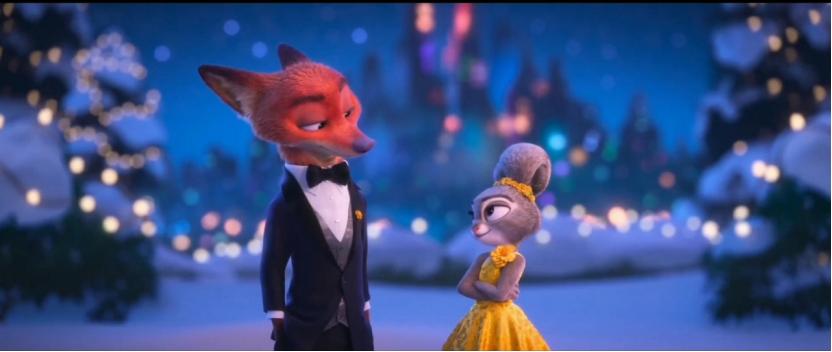
影视板块大幅高开 中国电影一字涨停
Jing Ji Guan Cha Wang· 2025-12-01 01:49
Core Viewpoint - The film sector experienced a significant surge in stock prices, with major companies like China Film (600977) hitting the daily limit and recording two consecutive gains, driven by the success of "Zootopia 2" [1] Group 1: Market Performance - China Film (600977) reached the daily limit and recorded two consecutive gains [1] - Shanghai Film (601595), Happy Blue Ocean (300528), Hengdian Film (603103), Aofei Entertainment (002292), and Bona Film (001330) also saw notable increases in their stock prices [1] Group 2: Box Office Success - "Zootopia 2" achieved a single-day box office of over 700 million, surpassing "Avengers: Endgame" to become the highest single-day box office for an imported film in China [1] - As of November 30, "Zootopia 2" has grossed over 2 billion, exceeding the first "Zootopia" which earned 1.54 billion, making it the highest-grossing imported animated film in Chinese history [1]
