
罕见病药物支付难题

Search documents
彻底退出中国市场!知名药企终止供药
Xin Lang Cai Jing· 2026-01-19 13:15
Core Viewpoint - Recordati's subsidiary in China, Ruikangdi, has officially filed for deregistration, marking its complete exit from the Chinese market, which will result in the discontinuation of several rare disease medications supplied by the company [1][6]. Group 1: Company Overview - Ruikangdi was established in 2021 and focused on rare disease treatments, having received approval for three rare disease drugs in China [3][8]. - The drugs approved include: 1. Carbamoyl glutamic acid dispersible tablets for treating methylmalonic acidemia, isovaleric acidemia, propionic acidemia, and hyperammonemia due to N-acetylglutamate synthase deficiency 2. Phosphate ozagrel (Shirui) for treating Cushing's syndrome 3. Long-acting injection of dual hydroxynaphthalene acid paratide microspheres (Sainifen) for treating acromegaly [3][8]. Group 2: Market Impact - The exit of Ruikangdi means that the only approved drug for Cushing's syndrome, phosphate ozagrel, will no longer be available, which is critical for patients relying on it [3][8]. - The drug was approved in September 2024 and commercially launched in April 2025, but has been on the market for less than a year [3][8]. - The average treatment cost for phosphate ozagrel in China is approximately 200,000 yuan per year, with the drug priced at around 8,000 yuan per box [3][8]. Group 3: Challenges in Rare Disease Market - The potential for phosphate ozagrel to be included in the national medical insurance directory was high, but it ultimately did not make the final list, impacting its sales [4][9]. - The high cost of rare disease drug development and the limited patient population make it difficult for such drugs to be financially viable without insurance support [10]. - Only about 50 patients are estimated to have purchased phosphate ozagrel in domestic pharmacies, highlighting the challenges in market penetration and patient awareness [11]. Group 4: Broader Industry Context - The exit of Recordati from China is not an isolated incident; other pharmaceutical companies, such as BioMarin, have also withdrawn rare disease treatments from the market [5][11]. - The challenges faced by rare disease patients in China are compounded by the high costs of treatment and the limited availability of insurance coverage, which often prioritizes common and chronic diseases [10].

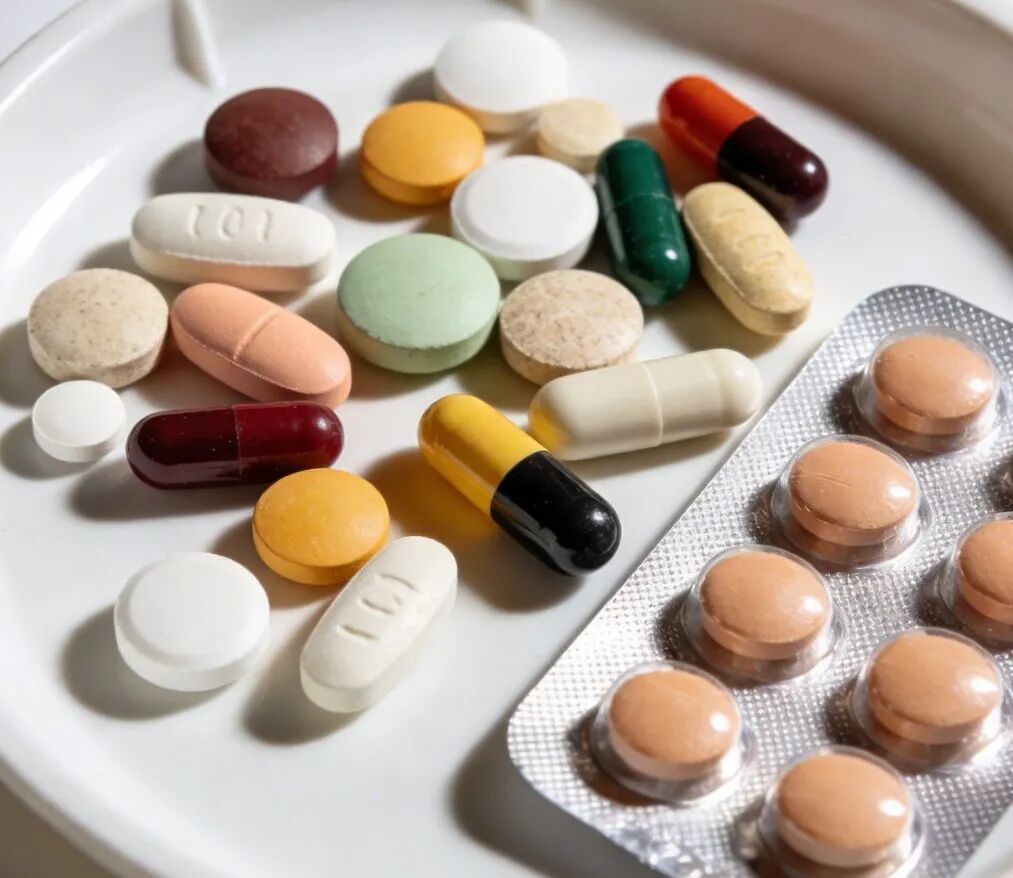
太突然!彻底退出中国市场,知名药企终止供药
Sou Hu Cai Jing· 2026-01-19 08:29
Core Insights - Recordati's subsidiary in China, Ruikangdi, has officially filed for deregistration, marking its complete exit from the Chinese market, which will also halt the supply of several rare disease medications [1] - Ruikangdi, established in 2021, focused on rare diseases and had received approval for three rare disease drugs in China [1] - The exit of Ruikangdi is particularly significant for patients with Cushing's syndrome, as it removes the only approved treatment, Phosphate Ozonostatin, which was commercialized in April 2025 [1] Group 1 - Ruikangdi's exit means that patients will no longer have access to a "lifesaving drug," with reports indicating that one patient has spent approximately 1 million yuan on treatment over four years [1] - Phosphate Ozonostatin was priced at around 8,000 yuan per box in China, with an average annual treatment cost of about 200,000 yuan [2] - The drug was expected to be included in the national medical insurance directory, which could have reduced out-of-pocket costs for patients, but ultimately, it was not included [2] Group 2 - The challenges faced in the rare disease sector include limited awareness among patients and doctors, high costs of medical education, and the economic difficulties faced by many families with rare disease patients [3] - Recordati's exit is not an isolated case; BioMarin also withdrew a rare disease treatment from the Chinese market in 2024, highlighting ongoing issues in the sector [3]