美俄利益一致

Search documents
普京赢麻了,欧洲领导人倾巢出动,拉着泽连斯基别跟特朗普吵架
Sou Hu Cai Jing· 2025-08-19 13:41
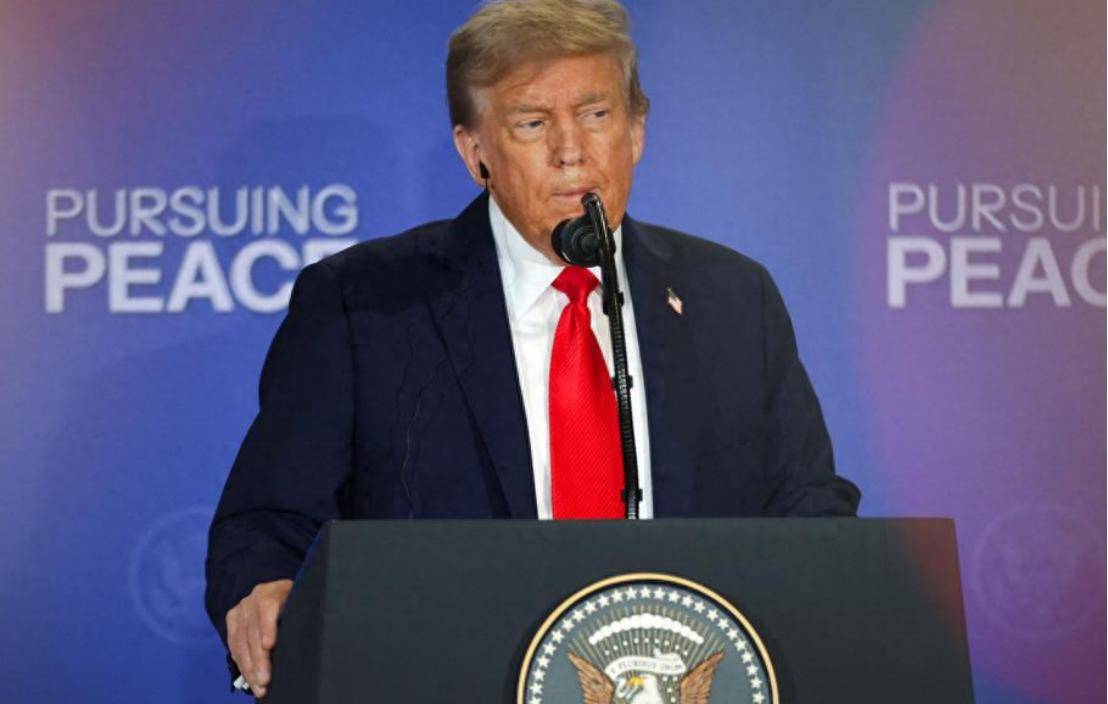
Core Points - The summit in Alaska between US and Russian leaders has led to a significant shift in Trump's stance, raising widespread attention [1] - Despite no concrete agreements being reached, Putin appears to have achieved his desired outcomes, particularly in Trump's change of position [1] - Trump's previous hardline stance against Russia has softened, as he announced plans to suspend sanctions against Russia and not impose secondary tariffs on China for purchasing Russian oil [1][3] Group 1: Trump's Shift in Position - Prior to the summit, Trump had expressed strong opposition to Russia's actions, warning of severe consequences if no ceasefire agreement was reached [1] - Post-summit, Trump's comments indicate a 180-degree turn, suggesting a willingness to ease sanctions and engage differently with both Russia and China [1][3] Group 2: European Leaders' Involvement - European leaders are accompanying Ukrainian President Zelensky to the White House, ostensibly to support him but also to serve deeper strategic purposes [7] - Zelensky's lack of experience in international affairs raises concerns that he may compromise under pressure from Trump, hence the need for European leaders to provide support [7] - The presence of European leaders aims to mediate potential friction between Trump and Zelensky, preventing a repeat of past confrontations that could further tilt US support towards Russia [7] Group 3: Ukraine's Position - Zelensky's proposal for a ceasefire before negotiations has been rejected by Russia, which prefers a binding ceasefire agreement [5] - The Ukrainian president's stance aligns with the support of many European nations, particularly Germany and France, indicating a unified front against Russia's demands [5] - Zelensky is scheduled to meet with Trump and European leaders, highlighting the ongoing diplomatic efforts to navigate the complex geopolitical landscape [5][7]