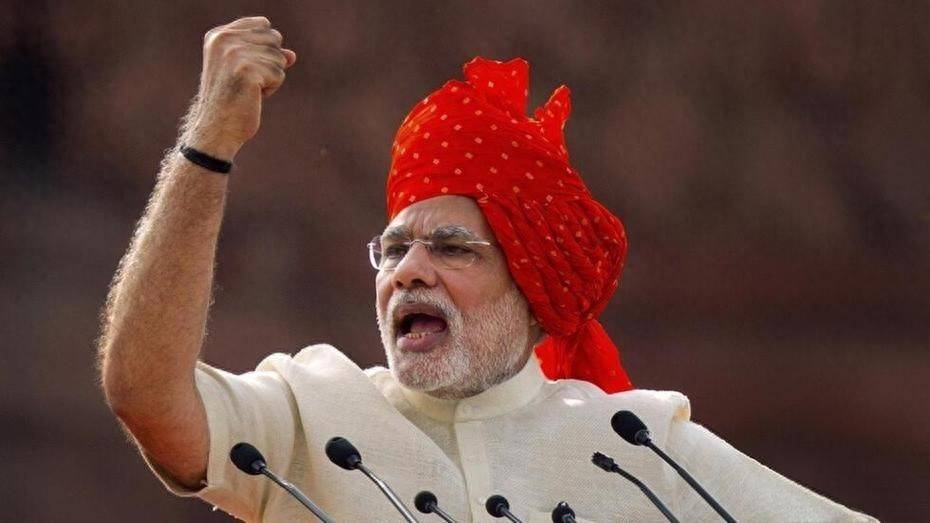
美印关系恶化

Search documents
特朗普不手软,50%关税引爆印度经济,莫迪三拒电话,硬刚到底
Sou Hu Cai Jing· 2025-08-31 07:29
Core Points - The relationship between Indian Prime Minister Narendra Modi and U.S. President Donald Trump has deteriorated significantly due to a recent phone call where Trump boasted about his role in the India-Pakistan conflict and suggested he could be nominated for a Nobel Peace Prize [1][2] - Modi's strong response to Trump's claims emphasized that the ceasefire was a result of direct communication between India and Pakistan, rejecting any notion of U.S. involvement [2] - The timing of this conflict coincided with critical trade negotiations between the U.S. and India, which had already reached a stalemate, further complicating diplomatic relations [2][4] Group 1 - The phone call on June 17 revealed deep-seated tensions, with Trump expressing pride in his supposed mediation efforts in the India-Pakistan conflict [1] - Modi's refusal to acknowledge Trump's claims and his avoidance of the Nobel Prize discussion marked a pivotal moment in their relationship [2] - The imposition of punitive tariffs by Trump on Indian imports, totaling 50%, was perceived as a form of economic bullying by Indian officials [2][4] Group 2 - The previously strong personal relationship between Modi and Trump, characterized by public displays of camaraderie, has soured due to Trump's insistence on the Nobel Prize narrative [3] - India's long-standing position against third-party mediation in the Kashmir issue was challenged by Trump's attempts to intervene, leading to Indian outrage [3] - Modi's rejection of Trump's invitation to visit the U.S. reflects concerns over potential diplomatic repercussions and the impact on his domestic political standing [5] Group 3 - The tensions have extended to visa and immigration policies, with the Trump administration tightening student visa regulations and enforcing deportations, indicating a lack of consideration for Modi's domestic political challenges [8]

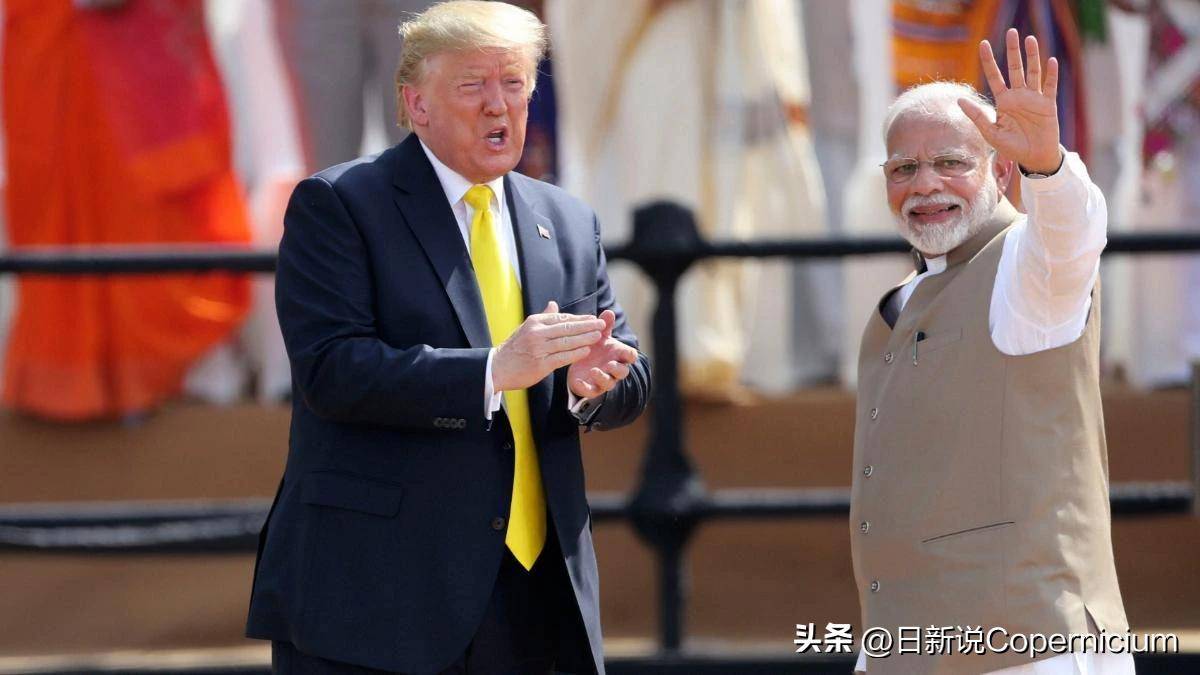
特朗普根本没想到,莫迪这回竟然如此强硬,印度连出三拳,全打在美国痛处上,还要切断美国财路
Sou Hu Cai Jing· 2025-08-13 10:42
Group 1 - India has taken a firm stance against the U.S. by responding to tariff threats with strong countermeasures, showcasing its determination to protect national interests [1][3] - The U.S. imposed a 25% tariff on Indian goods, raising the total tariff rate to 50%, one of the highest globally, citing national security concerns related to India's import of Russian oil [1][3] - India has suspended arms purchases from the U.S. and is increasing military cooperation with Russia, indicating a shift in defense strategy that could impact the U.S. military-industrial complex [1][3] Group 2 - The Indian government has taken action against U.S. investment firm Jane Street, imposing a ban and seizing approximately 48.7 billion INR (around 484 million USD) in profits, which could hinder U.S. financial capital expansion in international markets [1][3] - The deterioration of U.S.-India relations is attributed to high tariffs, differing stances on the Ukraine crisis, and India's commitment to maintaining its sovereignty and strategic partnerships, particularly with Russia [1][3] - The ongoing conflict between the U.S. and India serves as a warning to other nations about the volatility of international relations in a globalized context, emphasizing the need for countries to navigate their interests carefully [1][3]