美国劳工统计局困境

Search documents
风暴中的美国劳工统计局
Hu Xiu· 2025-08-13 00:01
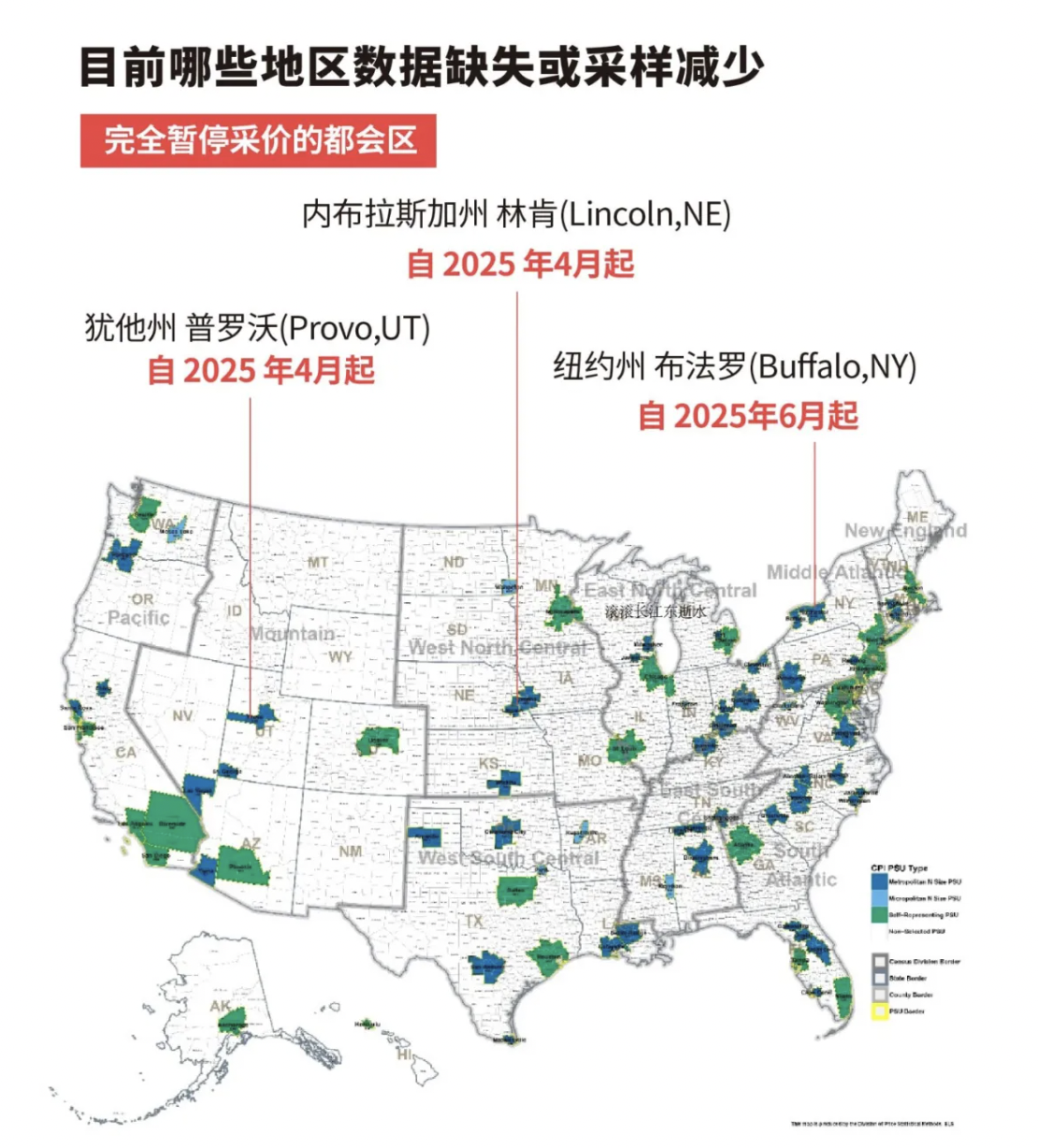
Core Viewpoint - The July CPI data in the U.S. shows a year-on-year increase of 2.7%, lower than the expected 2.8%, while the core CPI rose by 3.1%, exceeding the forecast of 3% [1][2]. Group 1: Data Collection and Credibility Issues - The recent CPI data is considered a critical indicator of the impact of new tariff policies on consumer spending and may directly influence the Federal Reserve's interest rate decisions in September [3]. - The Bureau of Labor Statistics (BLS) has reduced its sampling range for CPI data collection, halting price collection in certain cities and temporarily suspending about 15% of price samples across 72 other survey areas [3][6]. - The BLS claims that the overall inflation rate statistics should remain largely unchanged, but the reduced sampling may increase monthly price volatility in the affected areas [7][9]. Group 2: Internal Challenges at BLS - The BLS faces significant internal challenges due to personnel shortages and budget cuts, with approximately 15% of its workforce lost since the beginning of the year [9][10]. - The Trump administration's budget proposal includes an 8% cut to the BLS budget for the fiscal year 2026, exacerbating the agency's difficulties [11]. - The disbandment of advisory committees has further complicated BLS operations, leading to concerns about the reliability of government economic data [11][12]. Group 3: Data Generation Process - The CPI data generation involves collecting around 100,000 price samples monthly from various cities, which has been compromised due to reduced sampling and increased reliance on estimation methods [14][18]. - The BLS has had to rely more on "different unit" imputation methods, which are less accurate, to fill in gaps caused by missing data [15][18]. Group 4: Implications of Data Credibility - The credibility of the CPI data is under scrutiny, with concerns that the reduced sampling and increased reliance on estimations may lead to inaccuracies, particularly in regional and item-specific indices [19][21]. - Experts warn that the erosion of data quality could mislead the Federal Reserve in its monetary policy decisions, affecting interest rate adjustments and welfare programs tied to inflation indices [27][28]. - The potential decline in data reliability may undermine public trust in economic policies and the effectiveness of macroeconomic management [30][31].

美罢免劳工统计局长后,首个重要数据再遭质疑:样本缺失、数据缩水、人员短缺,7月CPI还能信吗?
Mei Ri Jing Ji Xin Wen· 2025-08-12 16:11
Group 1 - The core CPI data for July showed a year-on-year increase of 2.7%, which is lower than the expected 2.8%, while the core CPI rose by 3.1%, exceeding the forecast of 3% [2] - This data is considered crucial as it may directly influence the Federal Reserve's interest rate decisions in September, leading to significant volatility in global financial markets [2][24] - The recent changes in the Bureau of Labor Statistics (BLS) leadership and data collection methods have raised concerns about the reliability of economic data, particularly in light of the new tariff policies impacting consumer prices [2][6] Group 2 - The BLS has reduced its sampling range for CPI data collection, halting price collection in specific cities and temporarily suspending about 15% of price samples across 72 other survey areas [4][5] - These adjustments are intended to align the survey workload with available resources, but they may increase monthly volatility in price indices for the affected cities or categories [5][10] - The BLS is facing significant challenges due to personnel shortages and budget cuts, which have led to a reduction in data collection capabilities and raised concerns about the accuracy of economic indicators [7][8][10] Group 3 - The methodology for generating CPI data relies on extensive price sampling, with BLS collecting around 100,000 price samples monthly from various cities [13] - Due to the reduced sampling, the reliance on imputation methods to fill data gaps has increased, potentially compromising the quality and accuracy of the CPI data [16][18] - Historical simulations suggest that while the overall national CPI may remain stable, the reliability of localized data could decline, leading to increased volatility in specific indices [18][20] Group 4 - The credibility of CPI data is critical for monetary policy, as the Federal Reserve relies on it to assess inflation and make interest rate decisions [24] - A decline in the reliability of CPI data could undermine the effectiveness of economic policies and erode public trust in government statistics [24][25] - Experts warn that the ongoing challenges faced by the BLS could impair the ability of policymakers to analyze economic conditions accurately and formulate appropriate responses [25]