
美国财政政治结构性困境

Search documents
众议院休会无法审议拨款法案,美联邦政府部分“停摆”
Xin Lang Cai Jing· 2026-01-31 16:27
Core Viewpoint - The U.S. Senate passed a $1.2 trillion funding bill for various federal departments, paving the way to avoid a prolonged government shutdown, but a technical partial shutdown occurred due to the House's inability to vote before the budget authorization expired [1][3]. Group 1: Government Operations - As of January 31, at midnight, parts of the U.S. federal government were forced to suspend operations, with non-essential federal employees temporarily furloughed and some government services delayed or interrupted [3]. - This partial shutdown is characterized as a technical one, occurring again after a record shutdown last year, highlighting ongoing structural issues in U.S. fiscal politics [3][4]. - The White House expressed regret over the short shutdown, emphasizing that it was a procedural issue rather than a policy deadlock, and called for the House to reconvene and vote promptly [3][4]. Group 2: Funding and Legislative Process - The Senate's approved funding will support most federal departments until September 30, the end of the fiscal year, but funding for the Department of Homeland Security was separated for further negotiation [3]. - Historically, Congress must pass 12 funding bills annually, with six already approved prior to this event [3]. - Analysts noted that while the immediate impact on financial markets and economic operations is limited, prolonged negotiations could extend the shutdown and broaden its effects [4]. Group 3: Political Context - The recent shooting of two U.S. citizens by federal law enforcement in Minnesota has intensified divisions between Republicans and Democrats over immigration enforcement, complicating negotiations [4]. - The increasing political polarization has led to repeated shutdown crises, with the longest shutdown in U.S. history lasting 43 days, ending on November 12, 2025 [4].

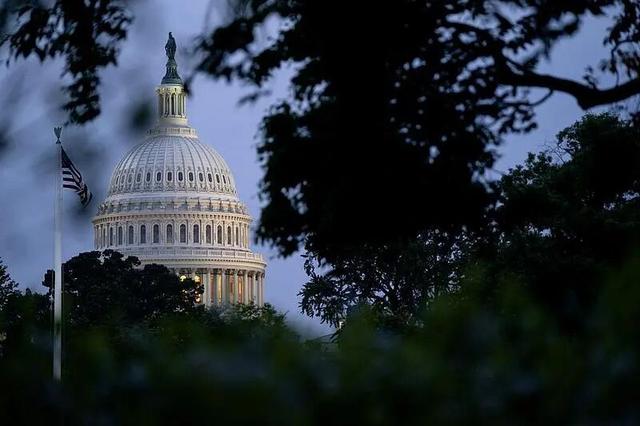
美国联邦政府多个部门陷入“技术性停摆”
凤凰网财经· 2026-01-31 13:42
Core Viewpoint - The U.S. Senate passed a $1.2 trillion funding bill for various federal departments, paving the way to avoid a prolonged government shutdown, although a technical partial shutdown began on January 31 due to the House's inability to vote before the budget authorization expired [1][3]. Group 1 - The partial shutdown means that some federal agencies will suspend operations, and non-essential federal employees will be placed on unpaid leave, potentially delaying or interrupting government services [3]. - The White House expressed regret over the short shutdown, emphasizing that it is a procedural issue rather than a policy deadlock, and called for the House to reconvene quickly to complete the vote [3][5]. - The Senate's approved budget will fund most federal departments until September 30, but funding for the Department of Homeland Security has been separated for further negotiations [3][4]. Group 2 - Analysts predict limited immediate impact on financial markets and economic operations from the shutdown, but there is a risk of extended shutdown if negotiations in Congress falter [5]. - The political divide between Republicans and Democrats has intensified, particularly following recent incidents involving federal law enforcement, complicating budget negotiations [5]. - The history of government shutdowns in the U.S. highlights a structural political dilemma, with temporary funding measures and short-term extensions becoming the norm due to increasing partisan conflicts [5].

美联邦政府部分“停摆”
Xin Lang Cai Jing· 2026-01-31 10:15
Group 1 - The U.S. Senate passed a $1.2 trillion funding bill for various federal departments, paving the way to avoid a prolonged government shutdown, with a vote of 71 in favor and 29 against [2] - The House of Representatives is not expected to reconvene until February 2, which means the funding cannot be legislated before the current budget authorization expires, leading to a technical partial shutdown of the federal government starting January 31 [2] - The partial shutdown will result in the suspension of operations for certain federal agencies, with non-essential federal employees placed on temporary unpaid leave, and some government services may be delayed or interrupted [2] Group 2 - The funding bill passed by the Senate will finance most federal departments until September 30, the end of the current fiscal year, but does not include funding for the Department of Homeland Security, which will be extended for two weeks to allow for continued negotiations [3] - Analysts indicate that while the current shutdown is expected to be short-lived, it highlights the structural challenges in U.S. fiscal politics, with temporary funding and short-term extensions becoming the norm due to political divisions [4] - The market generally perceives the direct impact of the technical shutdown on financial markets and economic operations to be limited, but there is a risk of an extended shutdown if negotiations in Congress face further obstacles [4]
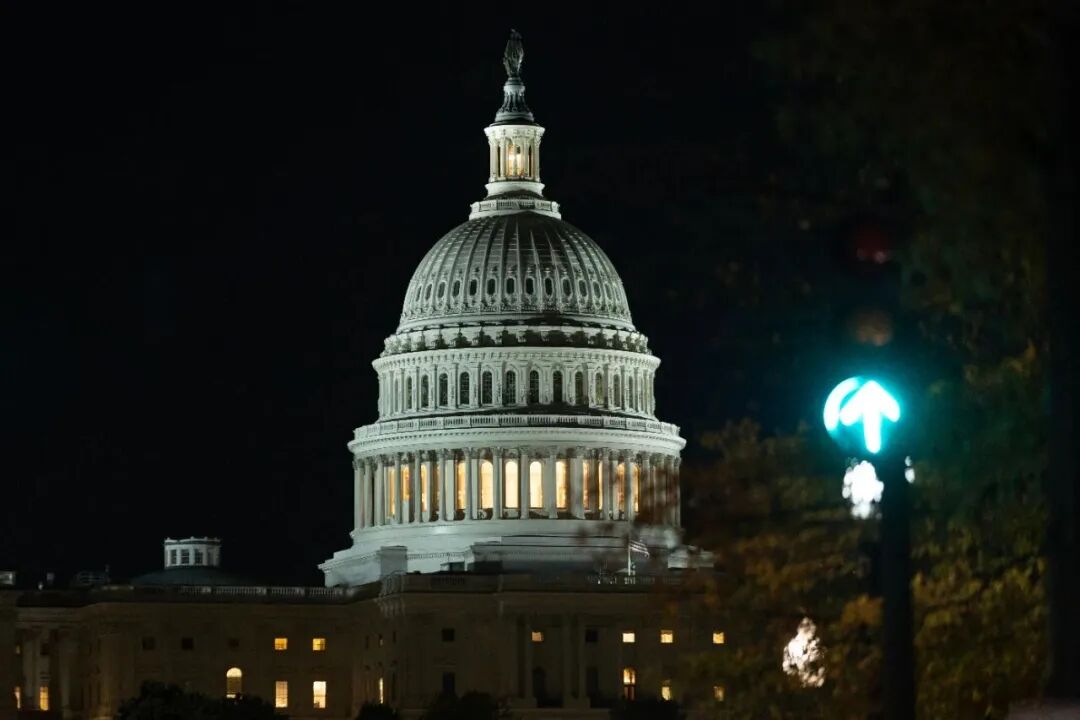
市场预测美国政府“停摆”冲击有限 但不排除时间延长风险
Xin Lang Cai Jing· 2026-01-31 06:05
Core Viewpoint - The U.S. federal government entered a technical and partial "shutdown" as of January 31, highlighting structural challenges in U.S. fiscal politics [1] Group 1: Government Operations - The House of Representatives' recess prevented the review of the funding bill, leading to the shutdown [1] - Temporary funding, short-term extensions, and marginal shutdowns have become the norm in congressional budget negotiations [1] Group 2: Market Impact - Analysts believe the direct impact of this technical shutdown on financial markets and economic operations is limited [1] - However, if subsequent negotiations in Congress are obstructed, there is a risk of an extended shutdown and broader impacts [1]
突发!31日零时开始,美国联邦政府多个部门陷入“技术性停摆”,白宫:深表遗憾
Mei Ri Jing Ji Xin Wen· 2026-01-31 05:38
Core Viewpoint - The U.S. Senate passed a $1.2 trillion funding bill for various federal departments, paving the way to avoid a prolonged government shutdown, although a technical partial shutdown began on January 31 due to the House's inability to vote before the budget authorization expired [1][4]. Group 1: Government Operations - As of January 31, at midnight, parts of the U.S. federal government will be forced to suspend operations, with non-essential federal employees temporarily furloughed and some government services potentially delayed or interrupted [4]. - This partial shutdown is characterized as a technical "shutdown" and follows a record shutdown experienced last year [4]. - The White House expressed regret over the short shutdown, emphasizing that it is a procedural issue rather than a policy deadlock, and called for the House to reconvene quickly to complete voting [4]. Group 2: Funding and Legislative Process - The Senate's approved funding will finance most federal departments until September 30, the end of the fiscal year, but does not include funding for the Department of Homeland Security, which will be extended for two weeks to allow for further negotiations [4]. - Traditionally, Congress must pass 12 appropriations bills each year, with six already approved prior to this event [4]. Group 3: Market Impact and Political Context - Analysts suggest that the direct impact of this technical shutdown on financial markets and economic operations is limited, although there is a risk of an extended shutdown if negotiations in Congress falter [5]. - The ongoing political divide between Republicans and Democrats has intensified, particularly following recent incidents involving federal law enforcement, contributing to the budgetary impasse [5]. - The history of government shutdowns has shown that increasing political polarization has led to repeated crises, with the longest shutdown lasting 43 days in 2025 [5].
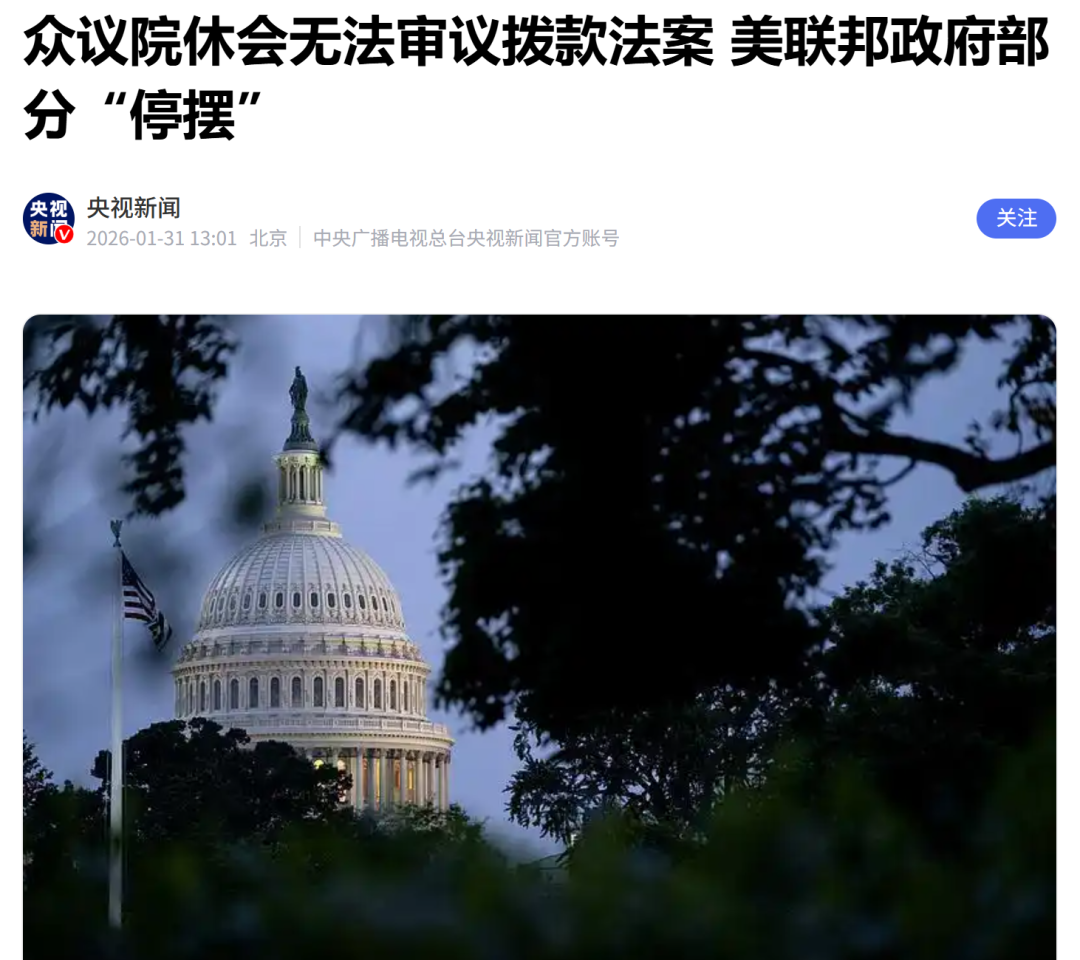
众议院休会无法审议拨款法案 美联邦政府部分“停摆”
Yang Shi Xin Wen· 2026-01-31 05:02
Group 1 - The U.S. Senate passed a $1.2 trillion funding bill for various federal departments, paving the way to avoid a prolonged government shutdown, although the House of Representatives is not expected to reconvene until February 2 to vote on it, leading to a technical partial shutdown starting January 31 [1][2] - The funding bill approved by the Senate will finance most federal departments until September 30, the end of the fiscal year, but does not include funding for the Department of Homeland Security, which will be extended for two weeks to allow for further negotiations [2] - Analysts indicate that while the current shutdown is expected to be short-lived, it highlights the structural challenges in U.S. fiscal politics, with temporary funding and short-term extensions becoming the norm due to political divisions [3][4] Group 2 - The market generally perceives the technical shutdown as having limited direct impact on financial markets and economic operations, but there is a risk of an extended shutdown if negotiations in Congress falter [4] - The political divide between Republicans and Democrats has intensified, particularly following recent incidents involving federal law enforcement, complicating negotiations to avoid a government shutdown [4]