美国霸权行为

Search documents
古巴外长:美国行为如同“罪犯和失控的霸权”
Xin Hua She· 2026-01-11 14:59
Core Viewpoint - The Cuban Foreign Minister, Rodriguez, criticized the United States for its aggressive behavior, labeling it as a threat to peace and security not only for Cuba but for the entire world [1] Group 1: U.S.-Cuba Relations - Rodriguez stated that unlike the U.S., the Cuban government has never engaged in mercenary actions or used military coercion against other nations [1] - President Trump threatened Cuba with a complete halt of oil and financial inflows if an agreement is not reached promptly, emphasizing Cuba's reliance on Venezuela for oil and funds [1] Group 2: Trade and Economic Implications - Rodriguez asserted that Cuba has the right to import fuel from markets willing to export, free from U.S. unilateral coercive measures [1] - Trump claimed that the longstanding relationship between Cuba and Venezuela, where Cuba provided "security services" in exchange for oil, has now ended [1]
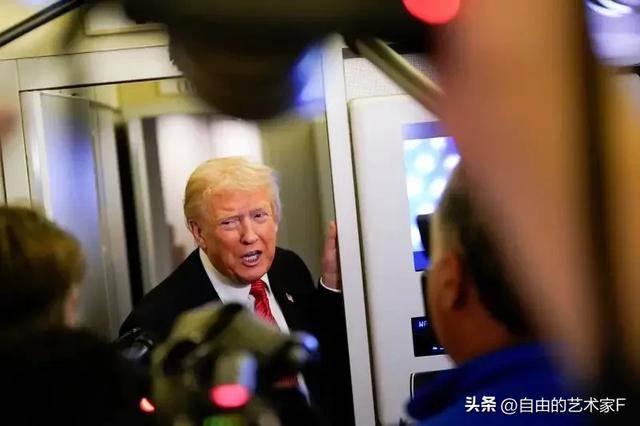
特朗普改口“不去了”,威胁3亿美国人,一旦失败,将沦为3流国家
Sou Hu Cai Jing· 2025-11-03 08:57
Core Viewpoint - The article discusses former President Trump's decision to not attend the Supreme Court hearing regarding his global tariffs, citing concerns about public perception and advice from allies [1][3]. Group 1: Trump's Decision - Trump initially planned to attend the Supreme Court hearing but changed his mind, stating that he did not want to distract from the current state of America and emphasized that the case is about the American people's welfare, not his personal interests [1]. - After the interview, Trump issued a statement warning that the tariff case is crucial for the U.S., claiming that a loss would leave the country defenseless against China and could lead to national decline [3]. - Allies advised Trump against attending the hearing, suggesting it could be interpreted as pressuring the justices, which could backfire and provide ammunition for Democrats to accuse him of intimidation [3]. Group 2: Implications of the Case - Media analysis suggests that the Trump administration may lose the case, as it has already begun to relax tariff policies by exempting several products in preparation for a potential defeat [5]. - The White House indicated that if the Supreme Court rules against them, they would seek alternative methods to impose tariffs, such as a law allowing a 15% tariff for 150 days, raising skepticism about the resolution of the tariff issue [5]. - The government is facing significant economic challenges, including high inflation and a debt level of approximately 119% of GDP, which complicates the situation further [7]. Group 3: Economic Context - The U.S. government is in a precarious economic position, struggling with manufacturing challenges and high inflation, leading to aggressive measures like tariffs and military threats to maintain economic dominance [7][8]. - Trump's approach to governance is likened to that of a businessman, focusing on maximizing benefits for the U.S. and using tariffs as a tool for economic leverage [8]. - The likelihood of refunding collected tariffs is deemed impossible, as the government is unlikely to return funds even if the Supreme Court rules against the tariffs [8].