美索不达米亚文明

Search documents
贸易简史|两河之间:苏美尔人的历史地理与楔形文字
Xin Lang Cai Jing· 2025-11-26 23:07
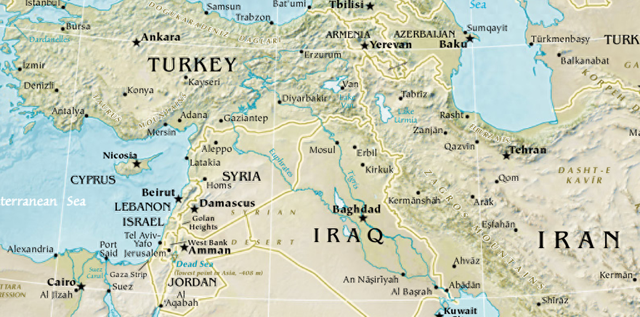
Group 1 - The article discusses the geographical significance of Mesopotamia, which is defined as the land between the Tigris and Euphrates rivers, originating from the Taurus Mountains in present-day southeastern Turkey [1][2][10] - The Taurus Mountains serve as a natural barrier, separating Syria and Iraq to the south from the Anatolian plain to the north, influencing historical developments in the region [1][2] - The Euphrates and Tigris rivers have distinct flow patterns, with the Euphrates flowing west before turning southeast, while the Tigris flows more directly east, creating a unique geographical landscape that has been strategically important throughout history [8][10][11] Group 2 - The historical context of Anatolia is explored, highlighting its significance during ancient Greek times and its various names throughout history, including "Asia Minor" and "Province of Rum" during the Abbasid Caliphate [2][5] - The article references Marco Polo's journey from Anatolia to China, emphasizing the region's role as a starting point for significant historical explorations [6][8] - The ancient Hittite Empire is noted as having originated in the region south of the Taurus Mountains, further illustrating the area's historical importance [6][8] Group 3 - The article mentions the archaeological and anthropological findings that trace human activity back to 11,000 BC, with significant developments in agriculture and animal domestication occurring in river valley regions, including Mesopotamia [14][15] - The emergence of urban centers and the development of writing systems, particularly cuneiform, are highlighted as key advancements in the evolution of Mesopotamian civilization [20][21] - The Akkadian Empire's expansion under Sargon and the subsequent cultural and political developments in the region are discussed, showcasing the historical complexity of Mesopotamia [23][24][27]

中东世界遗产:伊甸园、 沼泽地
人民网-国际频道 原创稿· 2025-05-17 06:00
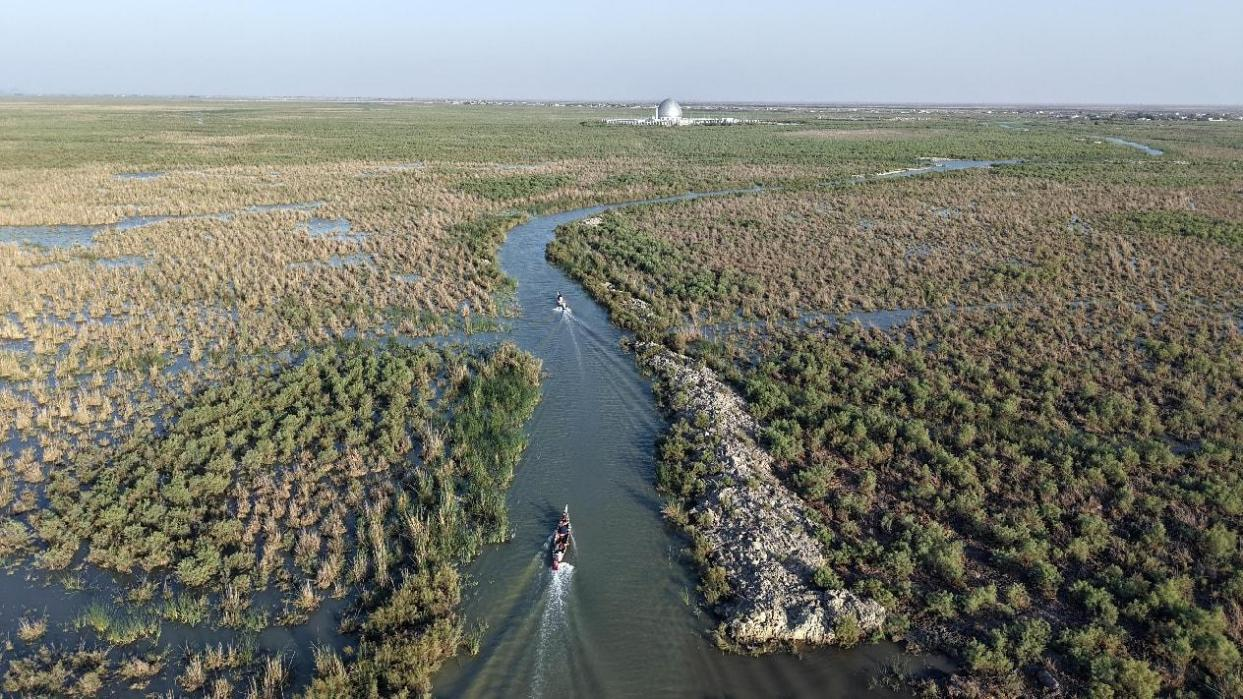
Core Insights - The Mesopotamian Marshes, located at the confluence of the Euphrates and Tigris rivers in southern Iraq, are historically significant as they are part of the region that nurtured some of the world's oldest civilizations, including the ancient city of Ur, founded around 5500 BC [1][2] Group 1: Historical Significance - The Mesopotamian Marshes are believed by some archaeologists to be the location of the biblical Garden of Eden, as described in the Bible, surrounded by four rivers, two of which are the Euphrates and Tigris [2] - The marshes cover over 30,000 square kilometers and were home to hundreds of thousands of Marsh Arabs who relied on water buffalo, fishing, and rice cultivation for their livelihoods [2] Group 2: Environmental Changes - The area has experienced significant shrinkage in marshland over recent decades due to various factors, leading to a decrease in the population of people living in these wetlands [2] - The marshes consist of four parts that merge during the flood season, providing a rich ecosystem that has been affected by environmental changes [3] Group 3: Economic Transition - Local fishermen, like Khalid Jassim, have shifted their livelihoods from fishing to tourism due to the declining fish populations, now operating motorboats for guiding visitors [3] - The region is welcoming more tourists, especially during the cooler winter months, indicating a potential shift towards a tourism-based economy [3]