
老年健康服务体系

Search documents
本市社区医疗机构已达1993个
Xin Lang Cai Jing· 2025-12-28 18:23
Core Viewpoint - The article highlights the establishment of a comprehensive and efficient elderly health service system in Beijing during the 14th Five-Year Plan period, focusing on the increasing elderly population and the city's efforts to meet their health needs through various healthcare initiatives [1][2]. Group 1: Elderly Population Statistics - By the end of 2024, the population aged 60 and above in Beijing is expected to reach 5.14 million, accounting for 23.5% of the total resident population, marking a significant milestone [2]. - The population aged 80 and above is approximately 687,000, representing 3.1% of the total population [2]. Group 2: Health Service Network - The elderly health service system is structured as "1+17+N," with Beijing Elderly Hospital as the city-level center, 17 district-level hospitals as guidance centers, and various medical institutions providing services [2]. - There are currently 1,993 community health service centers operating in the city, which provide basic medical and public health services to the elderly [2]. Group 3: Healthcare Utilization - In 2024, the family doctor signing rate exceeded 45%, with a continuous signing rate of 90% for key populations, including the elderly [2]. - Community health service institutions recorded a total of 92.81 million visits, with elderly patients accounting for 52.02 million visits, representing 56% of the total [2]. Group 4: Comprehensive and Continuous Care - The elderly health service system emphasizes comprehensive and continuous care across six key areas: health education, preventive care, disease diagnosis, rehabilitation, long-term care, and palliative care [3]. - Over 1 million elderly individuals received health assessments and guidance during the 14th Five-Year Plan period, with significant vaccination efforts resulting in 3.737 million flu vaccines and 341,000 pneumonia vaccines administered to eligible elderly residents [3]. Group 5: Integrated Medical and Elderly Care - The city has established 62 comprehensive medical alliances and 122 specialized medical alliances, along with 14 new tightly-knit urban medical groups to enhance the hierarchical medical service network [4]. - A total of 43 elderly care centers and 26 palliative care centers have been built, achieving district-level coverage [4]. Group 6: Accessibility and Quality of Care - The city has developed a service model that addresses the unique needs of elderly patients, ensuring convenient access to healthcare and improving service quality [5]. - 692 elderly-friendly medical institutions have been established, and 117 internet hospitals have been set up to facilitate online healthcare services [6]. Group 7: Integration of Medical and Elderly Services - The city promotes various models of integrated medical and elderly care, including partnerships between healthcare and elderly care institutions, with 203 integrated care institutions established [7]. - The Beijing-Tianjin-Hebei medical and elderly care alliance has been formed, with 97 institutions signing cooperation agreements to enhance service delivery [7].
本市社区医疗机构达1993个
Xin Lang Cai Jing· 2025-12-27 00:11
Group 1 - The city has established a comprehensive elderly health service system during the "14th Five-Year Plan" period, covering urban and rural areas with high-quality services [1] - There are currently 1,993 community health service centers operating in the city, and over 10 million elderly health management services have been provided during the "14th Five-Year Plan" period [1] - A total of 373.7 million doses of flu vaccines have been administered for residents aged 60 and above, and 34.1 million doses of pneumonia vaccines for those aged 65 and above [1] Group 2 - The city has developed various models of integrated medical and elderly care, with 203 integrated care institutions and over 1,300 medical care contracts established [2] - The city has improved elderly medical service capabilities, with 92 tertiary public hospitals offering over 50% of appointment slots two weeks in advance [2] - There are 692 elderly-friendly medical institutions established, and the number of home care service items has expanded from 25 to 60 [2]
以老年人需求为导向 北京已基本建成老年健康服务体系
Xin Lang Cai Jing· 2025-12-26 12:56
Core Viewpoint - Beijing has established a comprehensive and efficient elderly health service system, aligning with the "14th Five-Year Plan" for elderly care development [1] Group 1: Community Health Service System Optimization - Beijing has 1,993 community health service centers providing basic medical and public health services for the elderly [2] - The family doctor signing rate for key populations is expected to remain at 90% in 2024, with a total of 92.81 million visits to community health service institutions, of which 52.02 million visits are by elderly individuals, accounting for 56% [2] Group 2: Full Lifecycle Health Management - During the "14th Five-Year" period, over 10 million health assessments and guidance services have been provided annually to residents aged 65 and above [4] - Free vaccination services for influenza and pneumonia have been provided, with 3.737 million doses of influenza vaccine and 341,000 doses of pneumonia vaccine administered to eligible elderly residents [4] - Additional services include free oral health checks for 132,000 elderly individuals and psychological health assessments for 65,000 individuals [4] Group 3: Improvement of Efficient and Convenient Medical Services - A grassroots health appointment and referral platform has been established, with 92 tertiary public hospitals opening more than half of their appointment slots two weeks in advance [5] - Extended outpatient services are available at 146 secondary/tertiary medical institutions and 369 community health service centers, addressing the needs of elderly individuals with multiple health issues [5] - The number of home care services has expanded from 25 to 60, and 117 internet hospitals have been established to provide online consultations and medication delivery [5] Group 4: Future Directions - The city will continue to enhance policies, innovate service models, and improve service quality to meet the health needs of the elderly, aiming to provide comprehensive and high-quality medical and care services [7]

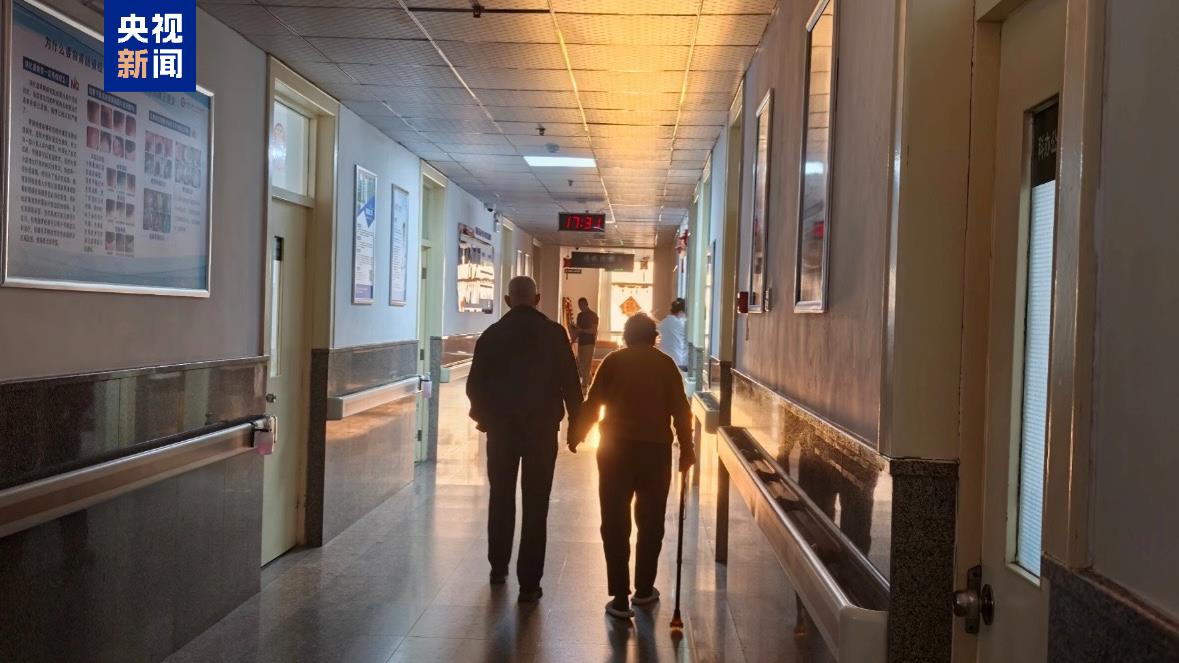
山东持续完善老年健康服务体系 96.5%二级以上公立综合医院设老年医学科
Da Zhong Ri Bao· 2025-10-30 01:12
Core Viewpoint - Shandong Province is actively enhancing its integrated medical and elderly care services to meet the growing health and wellness needs of its aging population, aiming to establish a comprehensive service system that is accessible and efficient [1][2]. Group 1: Development of Integrated Medical and Elderly Care Services - Shandong is constructing a service system that is urban-rural inclusive, appropriately scaled, functionally rational, and continuously integrated, focusing on improving service capabilities and levels [1]. - The province has selected 16 counties for a high-quality development innovation project in integrated medical and elderly care, providing each with 10 million yuan to encourage innovative support systems and service models [1][2]. - There are currently 1,125 integrated medical and elderly care institutions in Shandong, with a total of 330,000 beds available [2]. Group 2: Expansion of Medical Resources - The province is accelerating the establishment of elderly care hospitals, rehabilitation hospitals, and nursing homes, encouraging public medical institutions to add geriatric departments [2]. - 96.5% of secondary and higher public hospitals have established geriatric departments, and 96% of counties have at least one palliative care unit [2]. - Shandong is promoting the "two-institution integration" model, where medical institutions and elderly care facilities collaborate, resulting in over 5,000 service agreements between them [2]. Group 3: Focus on Cognitive Health - A comprehensive screening and follow-up model for dementia has been established, involving community health service centers and county-level medical institutions for initial screening and diagnosis [3]. - Approximately 60% of residents aged 65 and above in key counties have undergone cognitive function screening, indicating a proactive approach to managing cognitive health among the elderly [3].