考古成果转化

Search documents
湖北荆州建成城墙考古遗址展示馆 展千年城墙史
Xin Lang Cai Jing· 2026-01-01 11:33
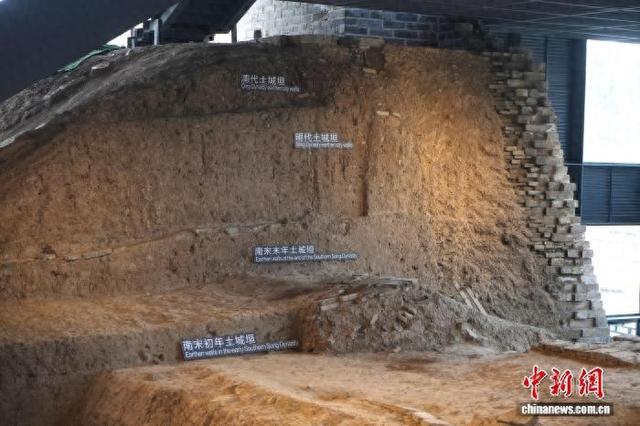
Core Viewpoint - The Hubei Jingzhou City Wall Archaeological Site Museum will officially open on January 1, 2026, showcasing the evolution of the Jingzhou city wall from the Tang to the Qing dynasties, highlighting its significance as the longest continuously used brick city wall in China [1][2]. Group 1: Museum and Archaeological Findings - The museum is built on the site of the No. 11 horse face archaeological excavation, located on the eastern side of the northern section of the Jingzhou city wall [2]. - Archaeological excavations conducted from 2019 to 2022 revealed clear stratification and structural details of the city wall, which initially began as a rammed earth structure in the Tang dynasty and transitioned to brick construction during the Five Dynasties [2]. - The complete sequence of construction from the Tang to the Qing dynasties provides critical insights into the evolution of brick city walls, with significant changes in materials and techniques over time [2]. Group 2: Historical and Cultural Significance - The Jingzhou city wall features a comprehensive defense system, including walls, towers, and moats, which reflect the unique characteristics of ancient Chinese city wall construction [2]. - The city wall's design evolved to meet military needs and technological advancements, such as the introduction of drainage systems during the Song dynasty, showcasing its multifunctional role [2]. - Jingzhou is recognized as one of the first national historical and cultural cities in China, celebrated for its rich history and well-preserved architecture, earning it the title "Southern National Treasure" [3].

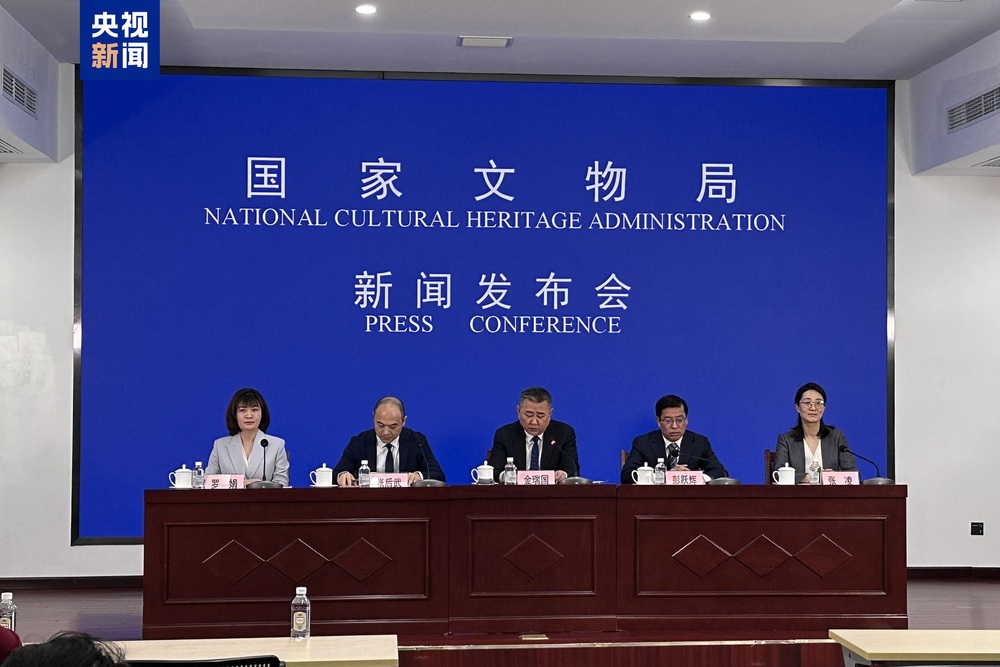
支持各地举办考古成果展 国家文物局正式启动夏商文明研究工程
Yang Shi Xin Wen Ke Hu Duan· 2025-03-25 12:49
Core Viewpoint - The National Cultural Heritage Administration has officially launched the Xia and Shang Civilization Research Project, aiming to enhance archaeological studies and public engagement with the history and culture of these ancient dynasties [1] Group 1: Archaeological Research and Collaboration - The project will involve domestic research institutions and universities to construct a comprehensive understanding of Xia and Shang archaeology and history through excavation, interdisciplinary research, and technological archaeology [1] - By 2025, nearly 260 proactive archaeological excavation projects have been approved, emphasizing refined dating, plant and animal archaeology, ancient DNA research, and environmental reconstruction [3] - The initiative aims to strengthen collaboration with disciplines such as history, ethnology, and sociology to enhance the modernization and specialization of archaeological sites [3] Group 2: Public Engagement and Results Utilization - More "small and beautiful" public-friendly projects will be implemented by 2025 to integrate archaeology into everyday life, including the publication of key archaeological reports and hosting exhibitions [4] - The project will ensure timely communication of archaeological progress to the public and support local exhibitions of archaeological findings [4] Group 3: Preservation and Utilization of Major Sites - Ongoing efforts will focus on the protection and utilization of significant archaeological sites, including those in Shaanxi, Beijing, Henan, and Xinjiang, with several important museums set to open this year [5] Group 4: International Archaeological Exchange - The project will promote international archaeological collaboration through platforms like the Asian Cultural Heritage Protection Alliance, enhancing the global presence of Chinese archaeological sites [6] - Efforts will be made to improve the international service levels of national archaeological parks and museums, including multilingual interpretation services to attract foreign visitors [6]