职业教育创新

Search documents
6岁“小孩哥”、全能“娘子军”…无人机足球队伍帅炸了
Mei Ri Jing Ji Xin Wen· 2026-01-28 03:31
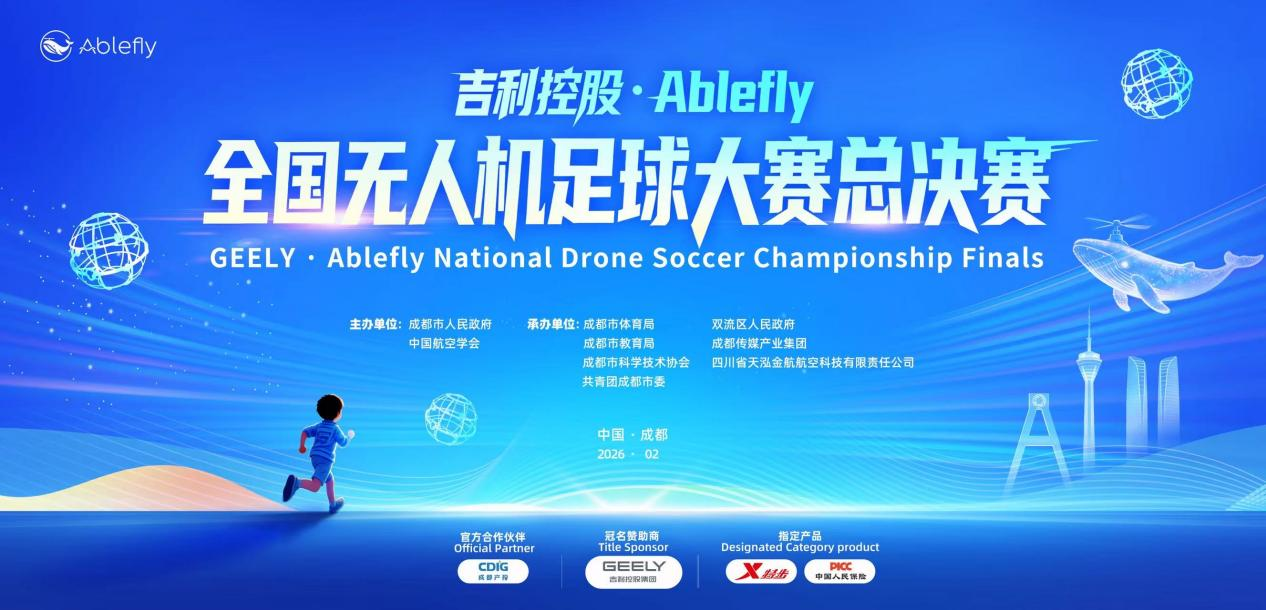
Core Insights - The emerging sport of drone football is gaining popularity, particularly among the post-2010 generation, due to its low entry barriers and high engagement levels [3][4] - The upcoming national drone football finals, hosted by Geely Holding and Ablefly, will showcase diverse teams, including young children and mixed-gender groups, highlighting the sport's inclusivity [1][4] Group 1: Inclusivity and Accessibility - Drone football allows participants of various ages and genders to compete together, with teams often including members as young as six years old [3][4] - The sport emphasizes skill and strategy over physical strength, making it accessible to a broader audience, including a significant number of female participants [4][7] Group 2: Training and Team Dynamics - The training for drone football incorporates diverse methods, focusing on teamwork, communication, and tactical collaboration rather than just individual skills [7][8] - Schools are adopting innovative training approaches, such as gamified practices, to enhance team cohesion and engagement among students [8][9] Group 3: Educational Integration - Drone football is being integrated into educational curricula, particularly in logistics programs, reflecting its potential applications in future industries like drone logistics [9][10] - The sport is seen as a tool for fostering technological interest and teamwork skills among students, preparing them for future career opportunities [10]

中国大学生方程式赛一等奖背后的“魅影”传奇
Zhong Guo Qing Nian Bao· 2025-12-14 22:58
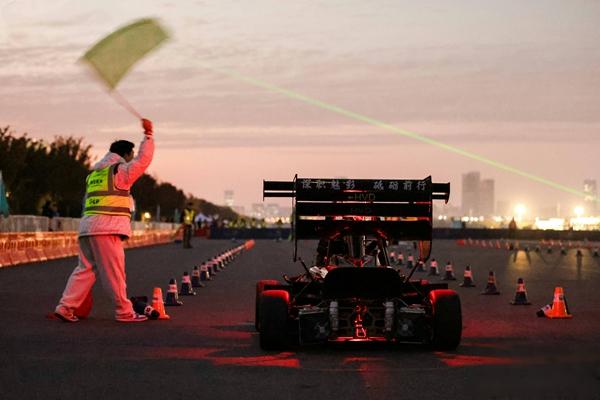
Core Insights - The NIO Cup 2025 China University Electric Formula Racing Competition and the Autonomous Driving Formula Racing Competition showcased the achievements of the Shenzhen Polytechnic University (SPU) Phantom Formula Racing Team, which won national first prizes in both electric and autonomous vehicle categories, marking their best historical performance [1][3][4] Group 1: Event Overview - The event took place on November 23, 2025, featuring a total of 244 participating universities and over 420 registered teams [1] - The competition includes four categories: internal combustion engine racing, electric formula racing, Baja racing, and autonomous driving racing [1] Group 2: Team Achievements - The Phantom Racing Team has participated in the competition since 2018 and has achieved significant milestones, reflecting the university's success in cultivating talent in the new energy vehicle industry [2] - The team consists of 15 undergraduate and 40 diploma students from various academic backgrounds, emphasizing interdisciplinary collaboration [4] Group 3: Technical and Educational Aspects - The competition assesses not only the engineering capabilities but also the management, marketing, and cost control skills of the teams [1] - The team utilized domestic industrial software for vehicle design, significantly improving their efficiency in aerodynamic calculations, reducing computation time from approximately 7 hours to 2.5 hours [6] Group 4: Institutional Support and Development - The university has continuously supported the racing team through increased funding and integrating racing projects into the undergraduate curriculum, enhancing the educational experience [10] - The team operates under a "teacher-student co-construction" model, fostering a collaborative environment for learning and innovation [10][12] Group 5: Legacy and Future Aspirations - The Phantom Racing Team's journey began with a heartfelt application letter from students, demonstrating their commitment to learning and practical application of automotive design [8] - The team has established a culture of mentorship, with former members returning to guide current students, ensuring the continuity of knowledge and skills [12][13]