聚合物混合物

Search documents
电容器,迎来颠覆性技术
半导体行业观察· 2026-03-18 00:50
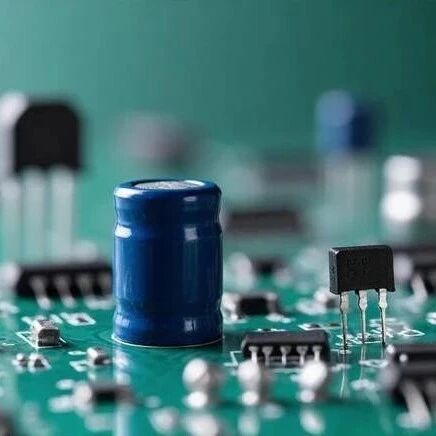
Core Viewpoint - A new type of polymer capacitor developed by a research team from Pennsylvania State University shows promise in addressing the challenges of miniaturizing capacitors while maintaining high energy storage capabilities, operating at temperatures up to 250°C and storing energy approximately four times that of traditional polymer capacitors [2][3]. Group 1: Capacitor Technology - The new polymer capacitor can operate at temperatures up to 250°C, significantly higher than the typical 100°C limit of advanced polymer capacitors, reducing the need for bulky cooling systems in high-power electronic devices [2]. - Capacitors are crucial in various applications, including electric vehicles, aerospace electronics, power grid infrastructure, and AI data centers, yet their size reduction has not kept pace with that of transistors [2]. - In some power electronic systems, capacitors can occupy 30% to 40% of the total volume, highlighting the importance of developing smaller capacitors [2]. Group 2: Material Composition - The research team combined two commercially available engineering plastics: polyetherimide (PEI) and polybenzimidazole (PBPDA), which self-assemble into nanoscale structures that enhance energy storage capabilities [3]. - The new polymer dielectric material exhibits an exceptionally high dielectric constant of 13.5, compared to the typical dielectric constant of around 4 for most polymer dielectric materials [3]. - The unique properties of the new material allow it to maintain performance even at high temperatures, making it suitable for capacitors in extreme environments [3]. Group 3: Production and Commercialization Challenges - Manufacturing devices with this new material requires only about one-fourth of the material compared to traditional methods, keeping costs low while allowing for smaller and lighter components [4]. - The transition from laboratory methods to commercial production may face challenges, particularly in producing long dielectric films required for industrial capacitors [5]. - The industrial sector prefers extrusion molding processes for their cost-effectiveness and ease of control, but scaling up production while maintaining structural integrity and performance could be complex [5].