聪明消费

Search documents
黄金大反转!消费下跌32%,金店一年关闭3300家,钻石却意外火了
Sou Hu Cai Jing· 2025-12-20 01:15
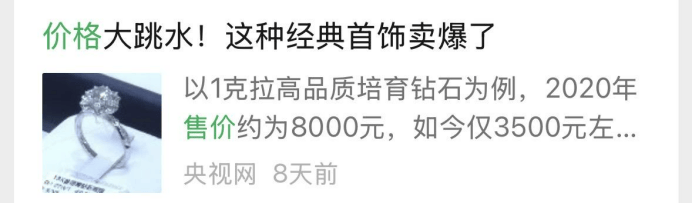
Group 1 - The core viewpoint of the articles indicates a significant decline in gold consumption, particularly in jewelry, with a reported drop of 32.5% year-on-year in the first three quarters of 2025, leading to a total consumption decrease of nearly 8% when including gold bars and coins [1][2] - The high price of gold is identified as a primary reason for the decline in consumer interest, with the price of mainstream gold jewelry exceeding 1350 RMB per gram, marking an increase of over 60% since the beginning of the year [2] - The shift in consumer preference towards diamonds, particularly domestically produced ones, is highlighted, with brands like Zheguang seeing significant sales growth and increased online attention, contrasting sharply with the declining foot traffic in gold stores [1][2] Group 2 - The price of high-quality domestic diamonds has significantly decreased, with one-carat diamonds dropping from around 8000 RMB in 2020 to approximately 3500 RMB now, making them more appealing to consumers [3][5] - Zheguang's pricing for one-carat diamonds ranges from 3500 to 9800 RMB, with high-quality options available at around 8000 RMB, which are popular among consumers [5] - The trend of consumers opting for larger diamonds over traditional gold wedding rings is evident, with many young couples choosing to invest in larger carat diamonds instead of gold due to the perceived value and visibility [7][8] Group 3 - The concept of "life diamonds," which are created using carbon from a couple's hair, is gaining traction, appealing to consumers' desire for unique and personalized jewelry [8] - The target demographic for Zheguang's products aligns closely with high-end luxury brands, indicating a shift in consumer behavior towards local brands among affluent consumers [9] - The luxury goods market is responding to this trend, with companies like LVMH acknowledging the growing preference for domestic brands among high-net-worth individuals [9]

最懂性价比的年轻人,半年只买五样东西
36氪未来消费· 2025-05-14 10:33
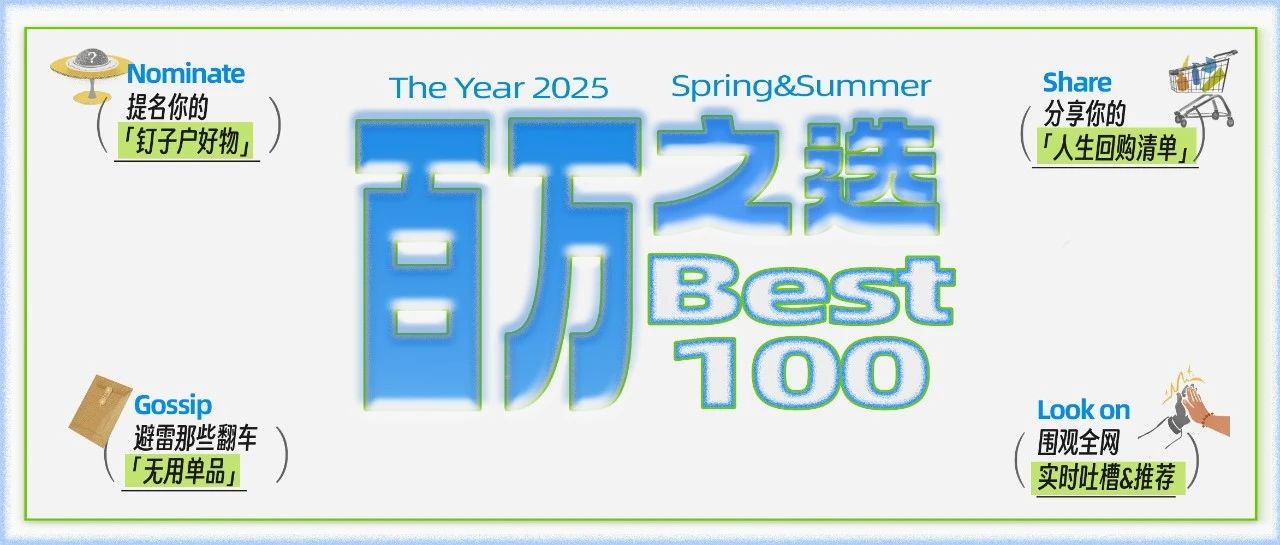
Core Viewpoint - Traditional consumption habits are undergoing profound changes, with consumers becoming increasingly sensitive to brand premiums and seeking value-driven alternatives [4][7]. Group 1: Changing Consumer Behavior - Consumers are moving away from blind brand loyalty and are more focused on practical value, user experience, and long-term satisfaction [11][12]. - The rise of "平替" (affordable alternatives) reflects a shift towards sourcing products directly from manufacturers, bypassing traditional retail markups [5][6]. - The complexity of the external environment, including economic pressures and tariff fluctuations, has led to increased consumer anxiety regarding pricing and a growing interest in domestic brands [7][8]. Group 2: Collective Wisdom in Consumption - A new initiative called "百万之选 BEST100" aims to gather consumer insights to identify the most trusted products through collective contributions [18][28]. - This initiative emphasizes a decentralized and transparent approach to discovering quality products, moving away from traditional marketing-driven recommendations [15][19]. - The project will culminate in two lists: a main list of 100 trusted products and a personalized list based on diverse consumer needs and scenarios [28][29]. Group 3: Engagement and Interaction - The initiative encourages active participation from consumers, allowing them to share their experiences and recommendations, thus creating a living database of trusted products [20][27]. - The platform is designed to break through algorithmic filters, providing a broader range of consumer experiences and insights [19][24]. - The collaborative effort aims to foster a community-driven approach to smart consumption, where every contribution adds value to the collective knowledge [27][32].

最懂性价比的年轻人,半年只买五样东西
后浪研究所· 2025-05-08 01:45
Core Viewpoint - The article discusses a shift in consumer behavior towards valuing practical, long-lasting products over trendy or expensive items, reflecting a more conscious approach to consumption [1][4]. Group 1: Consumer Behavior Trends - There is a growing consensus around "long-termism" in consumption, with ideas like "only five pairs of pants are needed" and "50 items for a lifetime" gaining traction [3]. - The concept of the "Fourth Consumption Era" introduced by Japanese sociologist Minoru Miura highlights a change in consumer mindset, moving away from blind pursuit of novelty and status [1]. Group 2: Community Engagement Initiative - The "Post-Wave Research Institute" and "Tide" have launched a campaign called "Best 100," inviting readers to identify and share their most trusted, durable products [4][6]. - The initiative includes a real-time shared document for consumers to nominate reliable items, share their "life repurchase list," and discuss hidden gems and overpriced products [7]. Group 3: Campaign Details - The collection period for nominations runs from May 7 to May 21, with results to be announced on May 28, culminating in a list of 100 classic products recognized for their long-term value [8]. - The campaign aims to promote "smart consumption" as a new lifestyle choice, encouraging consumers to select truly worthwhile items rather than following trends [10].