肾脏健康

Search documents
尿液泡沫不散暗藏健康风险
Xin Lang Cai Jing· 2026-01-16 19:05
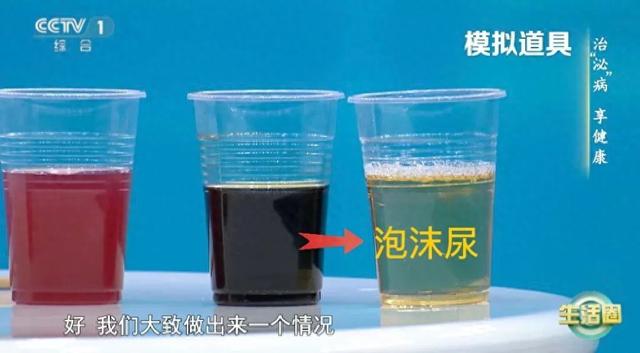
Core Viewpoint - The presence of persistent bubbles in urine, resembling beer foam, may indicate proteinuria, signaling potential kidney issues that require attention [3][4]. Group 1: Normal vs. Dangerous Bubbles - Normal bubbles in urine are few, large, and dissipate within two minutes, often caused by rapid urination or concentrated urine due to low water intake [4]. - Dangerous bubbles are fine, dense, and persist for over five minutes, indicating protein presence in urine, which is a sign of impaired kidney filtration [4]. Group 2: Causes of Proteinuria - Common causes of proteinuria include kidney diseases such as chronic nephritis, nephrotic syndrome, diabetic nephropathy, and hypertension-related kidney damage [5]. - Physiological factors like intense exercise, fever, stress, or excessive protein intake can temporarily cause proteinuria, which usually resolves with rest [5]. - Other diseases, including urinary tract infections and systemic lupus erythematosus, may also present with proteinuria alongside symptoms like frequent urination and back pain [5]. Group 3: Recommended Actions - Observing and recording urine characteristics for three consecutive days is advised, focusing on morning urine and noting any swelling or changes in urine color [6]. - Timely medical checks, including routine urine tests, are crucial if proteinuria is suspected, with further tests for protein quantification and kidney function if necessary [6]. - Avoid self-medication with kidney supplements or protein-lowering drugs, as many medications require renal metabolism and could worsen kidney damage [6]. Group 4: Prevention Strategies - Staying hydrated by drinking 1500 to 2000 milliliters of water daily and regularly observing urine can help prevent concentrated urine [7]. - Monitoring blood pressure and blood sugar levels, along with maintaining a regular sleep schedule, is essential to reduce kidney strain [7]. - Limiting salt intake to under 5 grams daily and consuming protein in moderation, such as one egg, a cup of milk, or a portion of lean meat, is recommended [7]. - Traditional Chinese medicine methods, such as acupressure and herbal foot baths, may also support kidney health [7].


喝水后4个异常,可能是肾发出的“求救信号”!
Xin Lang Cai Jing· 2026-01-09 23:50
Group 1 - The article discusses four abnormal signs after drinking water that may indicate kidney issues, including facial and limb edema, frequent nighttime urination, proteinuria, and high blood pressure [1][3][4] - Facial and limb edema occurs when kidney function is compromised, leading to fluid imbalance in the body [1] - Frequent nighttime urination may suggest reduced kidney concentration function or bladder issues, particularly in men who should also consider prostate health [1] - Proteinuria, or "foamy urine," is a common sign of kidney damage, indicating that the glomerular filtration membrane is compromised, allowing protein to leak into the urine [1] - High blood pressure can result from the kidneys' inability to excrete water, causing fluid retention in blood vessels, which is often unresponsive to antihypertensive medications [3] Group 2 - Recommendations for daily water intake suggest that adults should consume between 1500 to 1700 milliliters, with adjustments for dry weather or specific health conditions [4] - Specific herbal teas are suggested for health benefits, including rose and jasmine tea for stress relief and beauty, and goji berry and chrysanthemum tea for detoxification and vision improvement [5][6] - Caution is advised for certain populations, such as pregnant women and those with specific health conditions, regarding the consumption of these herbal teas [5][8]