枸杞菊花茶

Search documents
岁首万物苏 养肝正当时
Xin Lang Cai Jing· 2026-02-05 04:46
(来源:廊坊日报) 转自:廊坊日报 2月2日,市民在人民公园健身锻炼。本报记者 陈童 摄 东风解冻,春回大地。2月4日迎来立春节气,在我国传统农耕文化中,立春不仅象征自然轮回的开端,也寄 托着人们对丰收吉祥的深切期盼。阳气初升、万物复苏,春季养生尤其是肝脏调理迎来关键时期。 立春习俗:迎春纳福祈丰年 立春习俗丰富多样,凝聚着深厚的文化内涵。 文安民俗文化、史志文化研究者王宝仓介绍,打春习俗相传起自周公,历代逐步延续。立春这一天在都城的 城门外设一泥塑耕牛,主管农事的官员用鞭子抽打泥牛,以示新春开始,需忙于耕作了。后来这个官方习俗 一直延续到明代的春场,民间打春习俗则多样化。文安也把这天叫打春,到了立春的那个时刻,所有人不要 躺在炕上,连常年卧床的病人也要被家人搀扶起来,等过了这个时刻再躺下。 食疗方:美味又健康 菠菜猪肝汤:养肝明目、补血益气。将菠菜洗净切段,猪肝切片后用清水浸泡去血水。锅中加水烧开,放入 姜片、葱段,先下猪肝煮至变色,再加入菠菜,煮至菠菜熟透,调味即可。 枸杞红枣粥:滋补肝肾、养血安神。将大米淘洗干净,与枸杞、红枣一同放入锅中,加适量清水,煮至粥 熟。 贴春符,要提前用红纸红布剪一些图案,贴 ...


喝水后4个异常,可能是肾发出的“求救信号”!
Xin Lang Cai Jing· 2026-01-09 23:50
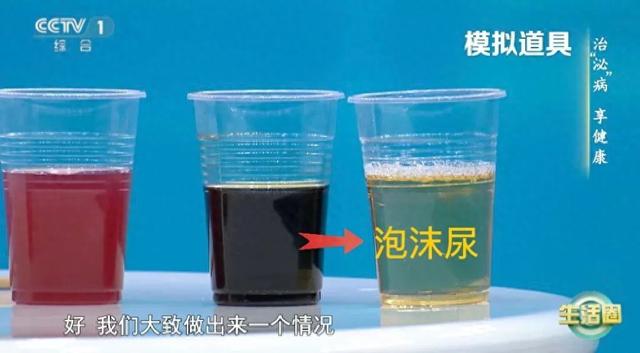
Group 1 - The article discusses four abnormal signs after drinking water that may indicate kidney issues, including facial and limb edema, frequent nighttime urination, proteinuria, and high blood pressure [1][3][4] - Facial and limb edema occurs when kidney function is compromised, leading to fluid imbalance in the body [1] - Frequent nighttime urination may suggest reduced kidney concentration function or bladder issues, particularly in men who should also consider prostate health [1] - Proteinuria, or "foamy urine," is a common sign of kidney damage, indicating that the glomerular filtration membrane is compromised, allowing protein to leak into the urine [1] - High blood pressure can result from the kidneys' inability to excrete water, causing fluid retention in blood vessels, which is often unresponsive to antihypertensive medications [3] Group 2 - Recommendations for daily water intake suggest that adults should consume between 1500 to 1700 milliliters, with adjustments for dry weather or specific health conditions [4] - Specific herbal teas are suggested for health benefits, including rose and jasmine tea for stress relief and beauty, and goji berry and chrysanthemum tea for detoxification and vision improvement [5][6] - Caution is advised for certain populations, such as pregnant women and those with specific health conditions, regarding the consumption of these herbal teas [5][8]
800亿康师傅换帅,80后二代接棒,年薪曾达937万元!能否拯救食品帝国?
Xin Lang Cai Jing· 2025-12-28 14:33
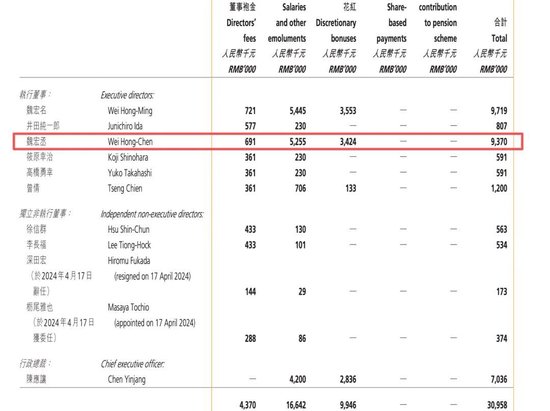
Core Insights - The new CEO, Wei Hongcheng, faces significant challenges as both of the company's core businesses, instant noodles and beverages, experienced revenue declines in the first half of 2025 [1][11] - Despite a 20.5% increase in net profit attributable to shareholders, total revenue decreased by 2.7% in the same period [1][11] Group 1: Leadership Transition - Wei Hongcheng, born in 1982, is the son of the founder and has a master's degree from Waseda University and an MBA from Harvard Business School [2][12] - He has held various positions within the company since 2015, most recently as Executive Director responsible for beverage operations [2][12] - Wei Hongcheng's annual salary reached 9.37 million RMB, a 25% increase from the previous year, surpassing the former CEO's salary by 233.4% [2][13] Group 2: Financial Performance - In 2024, the company's total revenue was 806.51 billion RMB, with a slight year-on-year growth of 0.3% [3][13] - The beverage segment, which Wei Hongcheng oversees, generated 516.21 billion RMB, reflecting a 1.3% increase [3][13] - The company has consistently returned significant cash dividends to shareholders, with a total of 37.4 billion RMB in cash dividends for 2024 [5][15] Group 3: Business Challenges - The instant noodle business saw revenues of 287.93 billion RMB in 2023 and 284.14 billion RMB in 2024, with declines of 2.84% and 1.31% respectively [6][16] - The beverage segment's revenue in the first half of 2025 was 263.59 billion RMB, down 2.6%, with tea product sales decreasing by 6.3% [6][16] - The company's market share in the instant noodle sector dropped from 36% in 2020 to 31% in 2024 [6][16] Group 4: Market Dynamics - Competitors like Nongfu Spring have increased their market share in the ready-to-drink tea segment from 5% in 2021 to 12% in 2024 [7][17] - The company has introduced new products in the herbal beverage category but faces stiff competition from established brands [7][17] - The number of distributors decreased by 3,409 in the first half of 2025, indicating challenges in maintaining distribution channels [9][19] Group 5: Pricing Strategy - The company has raised prices on key products, which has affected consumer purchasing decisions and led some to switch to competitors [8][18] - The price of 1L iced tea increased from 4 RMB to 5 RMB, impacting price-sensitive consumers [8][18] - The total liabilities of the company reached 398.82 billion RMB, with a debt ratio of 71.28%, indicating financial pressure [9][19]

康师傅换帅:魏宏丞出任CEO,800亿食品帝国迈入共治时代
Sou Hu Cai Jing· 2025-12-26 11:16
Core Viewpoint - The announcement of Wei Hongcheng as the new CEO of Master Kong marks a significant transition in the company's leadership, emphasizing family succession and the need for strategic innovation to address current challenges in the fast-moving consumer goods (FMCG) sector [2][8]. Group 1: Leadership Transition - Wei Hongcheng, the third son of founder Wei Yingzhou, will take over as CEO starting January 1, 2026, establishing a "brotherly co-governance" management structure with his brother Wei Hongming [2]. - Wei Hongcheng has a strong background in the beverage sector, having served on the board since 2015 and as chairman of the beverage division since 2019, where he significantly increased revenue from 35.6 billion yuan in 2019 to 51.6 billion yuan in 2024 [2][4]. Group 2: Product Innovation - Under Wei Hongcheng's leadership, the beverage division has focused on innovation to meet consumer demands for healthier and diversified products, launching new flavors and health-oriented options [4][6]. - The company has developed a comprehensive product matrix that includes popular items, health-focused products, and innovative offerings to attract younger consumers [6]. Group 3: Financial Performance - Despite a 2.5% decline in beverage revenue in the first half of 2025, the division managed to increase gross margin by 2.5 percentage points through strategic pricing and product optimization, resulting in a net profit growth of approximately 20% [7]. - The convenience food segment, however, faced a similar 2.5% revenue decline, highlighting the need for Wei Hongcheng to address growth challenges in this area [7]. Group 4: Governance and Challenges - The family succession model has reinforced the family's control over the company, which can lead to a lack of external oversight and potential short-term focus in decision-making [8][9]. - Concerns exist regarding the high executive compensation levels, which may not align with long-term corporate responsibility and performance [8][12]. - The company must balance family interests with long-term growth strategies, potentially reducing dividend payouts to improve cash flow and invest in innovation and safety [12]. Group 5: Industry Context - The FMCG industry is entering a phase driven by innovation, requiring companies to adapt to rapidly changing consumer demands and channel dynamics [11]. - Master Kong's ability to innovate and reform under Wei Hongcheng's leadership will be crucial for regaining its competitive edge in a challenging market [11][10].

康师傅、统一需向外卖抢生意
3 6 Ke· 2025-08-18 06:53
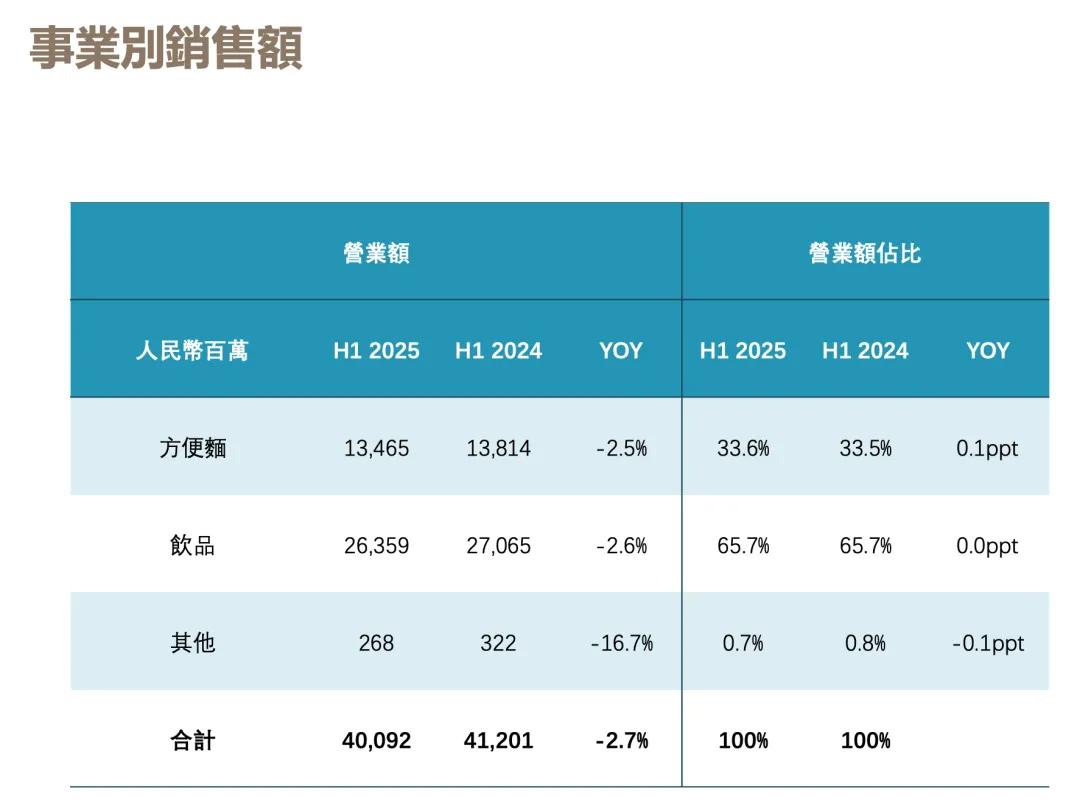
Core Insights - The financial performance of major players in the food and beverage industry, Master Kong and Uni-President China, showed a divergence in their H1 2025 results, with Master Kong experiencing a revenue decline of 2.7% while Uni-President achieved a revenue growth of 10.6% [1][2] Revenue Performance - Master Kong's total revenue for H1 2025 was RMB 40,092 million, down from RMB 41,201 million in H1 2024, reflecting a decrease of RMB 1,109 million [2] - In the instant noodle segment, Master Kong's revenue decreased by 2.5%, while Uni-President's revenue in the same category grew [2] - Master Kong's beverage segment also saw a decline of 2.6% in revenue, while Uni-President's performance improved [2] Competitive Landscape - Master Kong faces increasing competition not only from Uni-President but also from new entrants like Nongfu Spring and Yuanqi Forest, particularly in the beverage sector [3][11] - The rise of the food delivery market, with companies like JD and Alibaba intensifying their efforts, poses additional challenges to traditional food and beverage companies [11][19] Strategic Differentiation - Master Kong's strategy has focused on profit growth despite revenue decline, with beverage profits increasing by 19.7% and instant noodle profits by 11.9% in H1 2025 [12] - Uni-President has prioritized business expansion, increasing its marketing and sales expenses to enhance brand promotion and channel development [12][16] Pricing Strategies - Master Kong has implemented price increases across its product lines, which has contributed to profit growth but also led to a reduction in the number of distributors [13][14] - Uni-President's approach has been to invest in market expansion and product innovation to achieve its ambitious revenue target of RMB 50 billion within five years [18] Market Challenges - The competitive dynamics in the food delivery market have led to a decrease in demand for traditional packaged foods, impacting both Master Kong and Uni-President [21][22] - The ongoing price wars and promotional strategies among delivery platforms have created uncertainty for traditional food and beverage companies [19][21] Innovation and Adaptation - Both companies are focusing on product innovation to meet changing consumer preferences, with Master Kong introducing healthier options and Uni-President expanding its product range [25][27] - The shift towards retail and e-commerce channels is becoming increasingly important for both companies as they seek to adapt to the evolving market landscape [27][28]
“凉茶老三”和其正,靠养生水逆袭?
Bei Jing Shang Bao· 2025-05-27 12:47
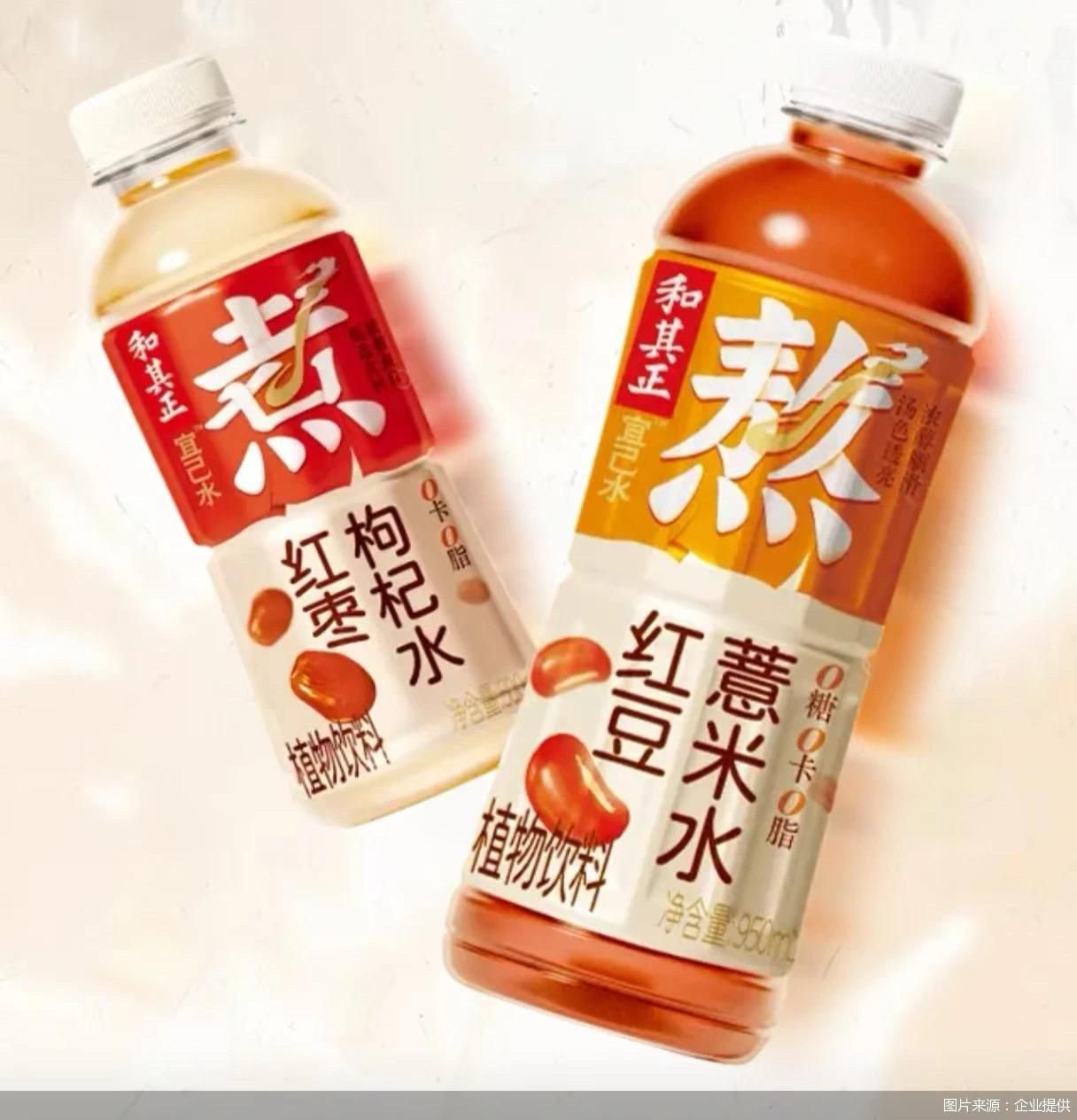
Core Viewpoint - The herbal tea brand Heqizheng is launching a new product line called "Yiji Water" to enter the health water market, seeking a second growth curve amid stagnation in the herbal tea sector due to competition from major players and new-style tea drinks [1][5][6]. Product Launch - Heqizheng's "Yiji Water" features three flavors: red date and goji berry water (for "warming"), red bean and coix seed water (for "dampness removal"), and licorice and dried tangerine peel water (for "qi regulation") [3][4]. - The product emphasizes traditional cooking methods, with packaging available in 500ml and 950ml sizes to cater to different consumption scenarios [3][4]. Market Context - The health water market has seen explosive growth, with its size increasing from 0.1 billion in 2018 to 4.5 billion in 2023, reflecting a compound annual growth rate of over 350% [7]. - The market is expected to exceed 10 billion by 2028, attracting numerous brands to launch health water products [7]. Competitive Landscape - Major competitors like Master Kong, North Ice Ocean, and Uni-President have recently introduced their own health water products, intensifying competition in the sector [7]. - Despite the influx of new products, established brands like Yuanqi Forest and Guozi Shule remain dominant on retail shelves [7][8]. Strategic Insights - Experts suggest that Heqizheng's entry into the health water market could leverage its herbal tea heritage, potentially reducing consumer education costs due to the inherent connection between herbal tea and health benefits [5][6]. - The brand's ability to optimize online marketing and enhance convenience store penetration could replicate its previous success in the herbal tea market [8].
“中式养生水”爆红,百亿赛道“新品打架”
FBIF食品饮料创新· 2025-05-21 00:31
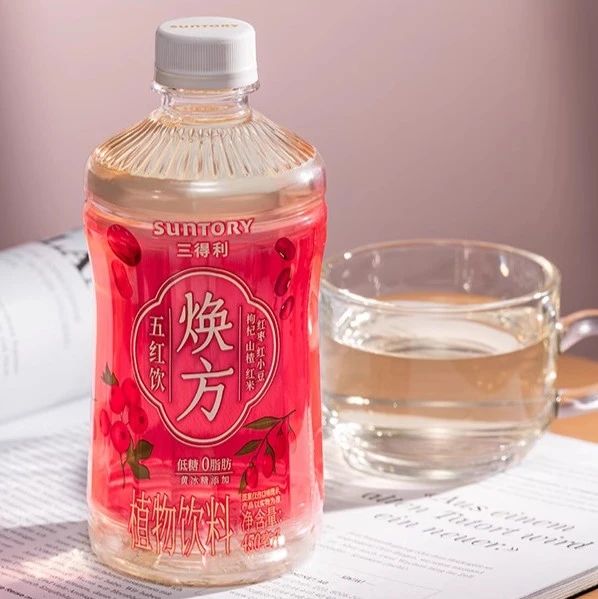
Core Viewpoint - The article discusses the explosive growth of the Chinese herbal health drink market, highlighting its appeal among young urban professionals who seek convenient and health-oriented beverage options. The market is projected to exceed 10 billion yuan by 2028, driven by a combination of traditional health culture and modern health anxieties [3][10][34]. Market Growth - The market size of Chinese herbal health drinks grew from 0.1 million yuan in 2018 to 4.5 billion yuan in 2023, representing a year-on-year growth of over 350% [3][15]. - The compound annual growth rate (CAGR) for the market is expected to exceed 88% from 2024 to 2028, with projections indicating a market size of over 10 billion yuan by 2028 [3][26]. Consumer Trends - Young consumers aged 25-35 account for 37.6% of the herbal drink market, with a growing awareness of health and wellness driving demand [11]. - 68% of Generation Z consumers recognize the concept of "food as medicine," seeking both efficacy and convenience in their beverage choices [13]. Product Characteristics - Herbal health drinks are made from ingredients like red beans, barley, and goji berries, emphasizing their health benefits such as detoxification and blood nourishment [9][11]. - The category has seen a 37.64% year-on-year growth in Q3 2024, outperforming other beverage categories [9]. Competitive Landscape - The market has seen a surge in competition, with over 40 brands entering the space by December 2024, compared to just four brands before 2022 [15][24]. - Major players include traditional beverage giants like Suntory and Master Kong, as well as new retail platforms like Hema, which leverage supply chain advantages to create customized products [15][19]. Challenges and Opportunities - The market faces challenges such as product homogenization and price wars, with many brands offering similar formulations [26][27]. - To differentiate, brands are encouraged to innovate in product development, focusing on specific health benefits rather than generic formulations [28]. Distribution Channels - The primary sales channels for herbal health drinks are convenience stores and supermarkets, with significant sales growth observed in these areas [33]. - Brands are exploring lower-tier markets, where consumers are more price-sensitive and may prefer homemade herbal teas [34].
1小时下线48000瓶饮料,武汉顶津迎战消费旺季
Sou Hu Cai Jing· 2025-04-21 02:44
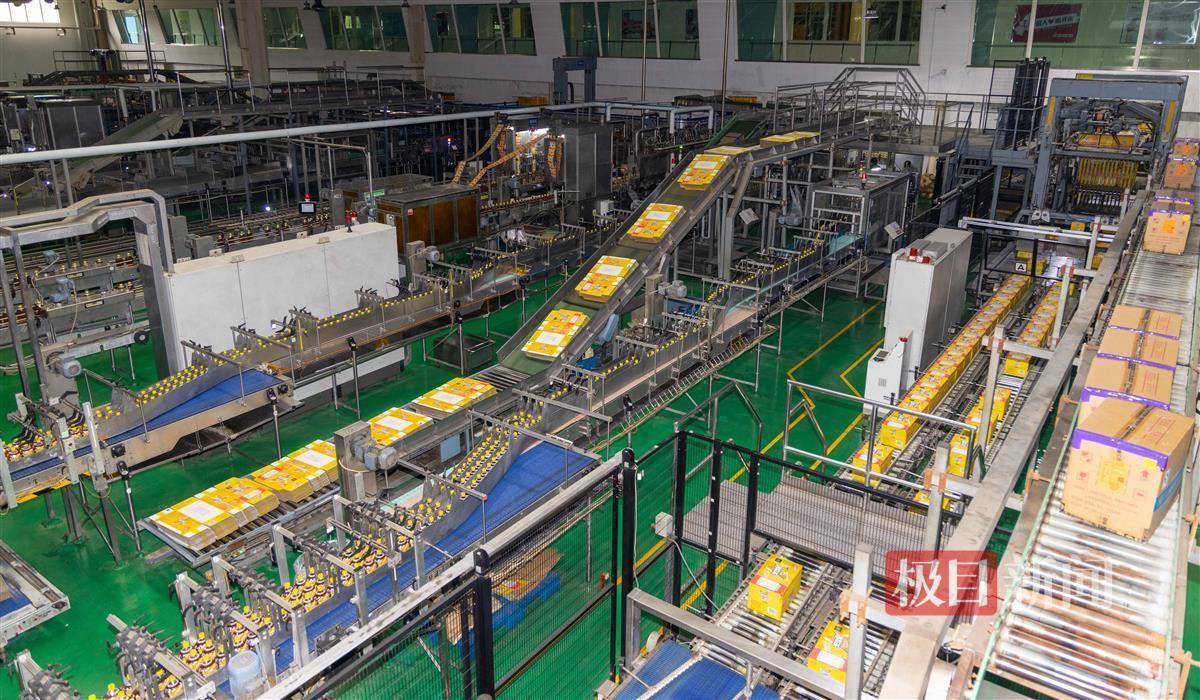
Group 1 - The beverage fast-moving consumer goods (FMCG) market is entering its sales peak as temperatures rise, with Wuhan Tingjin Food Co., Ltd. ramping up production of popular drinks like "Ice Black Tea" and "Watermelon Peach" [1][3] - Wuhan Tingjin has three production workshops and 16 production lines, primarily producing the well-known "Kang Shifu" series of low-sugar and sugar-free beverages. In the first quarter of this year, the company produced 15.1 million boxes of beverages, generating a revenue exceeding 360 million yuan [3] - The production line operates efficiently, with a single line capable of producing 48,000 bottles per hour, achieving a daily capacity of over 550,000 boxes. The company plans to introduce AGV robots and AI visual inspection systems to upgrade its production lines, aiming to reduce energy consumption and enhance production efficiency [3] Group 2 - The beverage FMCG market is evolving towards diversification, health, functionality, and experiential consumption. Wuhan Tingjin is focusing on technological upgrades while also transitioning its product offerings [3] - In addition to traditional products like jasmine tea and ice black tea, Wuhan Tingjin plans to launch new products such as "Tea's Inheritor," goji chrysanthemum tea, and PH9.0 water, aiming to target niche markets and expand its market influence [3]