胃酸反流

Search documents
误诊率极高的疾病,灼伤上亿中国人
Hu Xiu· 2025-06-02 23:47
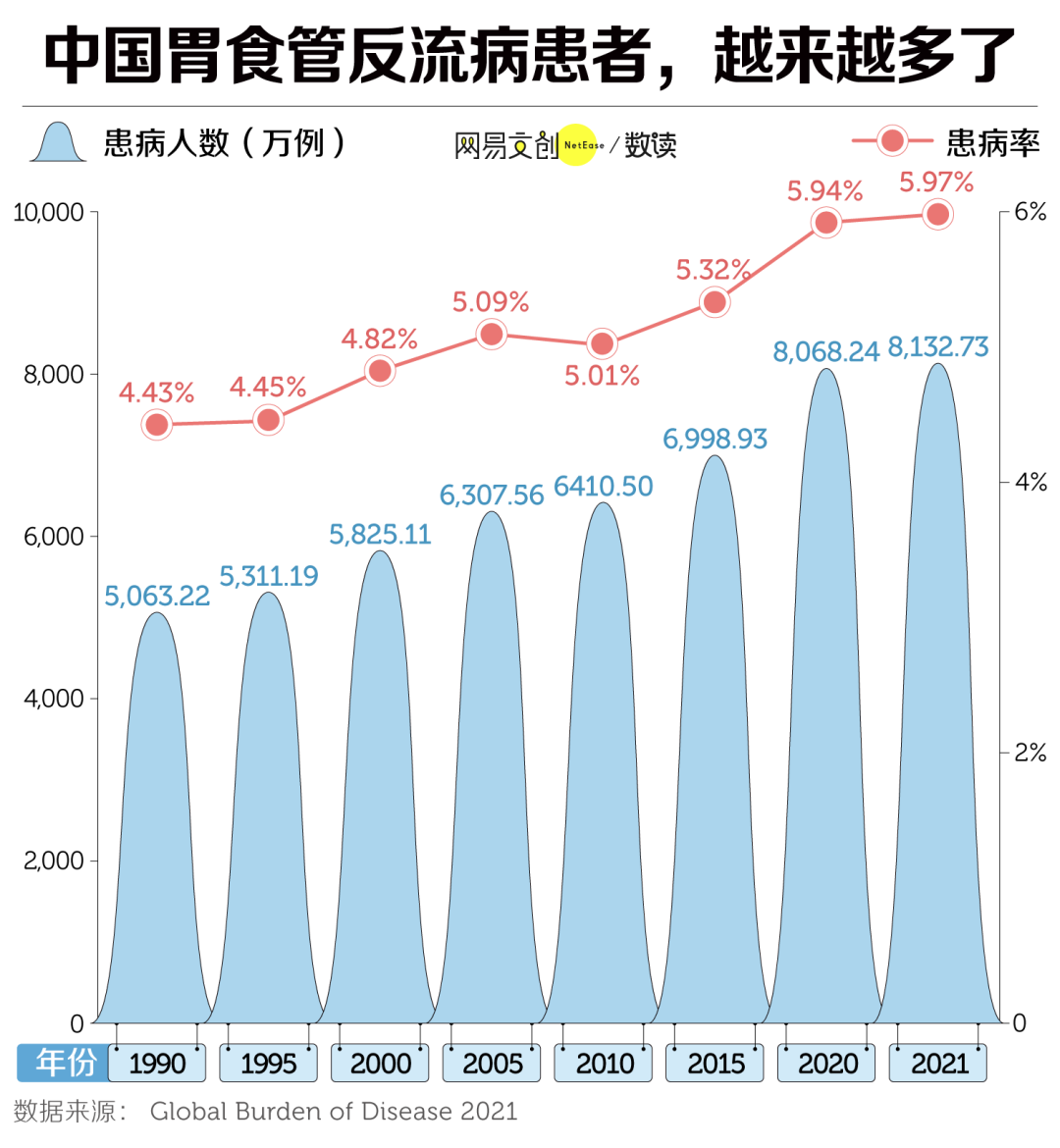
Core Insights - The article discusses the increasing prevalence of gastroesophageal reflux disease (GERD) among young people in China, highlighting its symptoms and the potential for misdiagnosis [4][6][18]. Group 1: Prevalence and Impact - The number of GERD patients in China rose from 50.63 million in 1990 to 81.33 million in 2021, an increase of over 60% [7]. - A study published in 2022 indicated that the overall prevalence of GERD in mainland China has reached 8.7%, affecting more than 120 million people [10]. - In high-incidence areas, such as Anyang in Henan Province, the prevalence can be as high as 17.3%, meaning one in six people suffers from GERD [11]. Group 2: Symptoms and Misdiagnosis - Common symptoms of GERD include heartburn (82.4% occurrence) and regurgitation (58.8% occurrence), which can lead to severe discomfort [12][13]. - GERD is often misdiagnosed, with over 70% of patients having been misdiagnosed before hospitalization [18]. - It can be mistaken for up to 43 different diseases, particularly respiratory conditions like asthma and chronic bronchitis [19]. Group 3: Lifestyle Factors - Fast eating habits, common among young workers, contribute to the risk of GERD by increasing stomach pressure and stimulating acid secretion [29]. - Wearing tight clothing can also elevate the risk of reflux [33]. - High consumption of caffeine and alcohol, along with spicy and fatty foods, are identified as risk factors for GERD [34]. Group 4: Psychological Factors - A significant portion of GERD patients exhibit anxiety (41%) and depression (37%), which can exacerbate symptoms [37]. - Research indicates that individuals with anxiety are 3.2 times more likely to develop GERD, while those with depression have a 1.7 times higher risk [39]. Group 5: Recommendations for Management - Adjusting eating habits, such as slowing down and chewing food thoroughly, is crucial for managing GERD [50]. - Regular physical activity, even in small increments, can significantly reduce the risk of developing GERD [53]. - Dietary changes, including increasing fiber intake and reducing high-fat foods, are recommended to alleviate symptoms [55].