胃食管反流病

Search documents
夜间一躺就咳,赶紧试试这几种方法!
Xin Hua Wang· 2025-12-29 13:03
Core Viewpoint - Nighttime cough is a common symptom that can be exacerbated by various factors, including body position, physiological changes, environmental conditions, and underlying diseases [3][4][5][6][7]. Group 1: Causes of Nighttime Cough - Body position can lead to airway collapse and accumulation of secretions, making it harder to cough effectively [3]. - Physiological changes at night, such as increased vagus nerve activity and decreased cortisol levels, can heighten cough sensitivity [3]. - Environmental factors like dry air and allergens in the bedroom can irritate the respiratory tract [3]. - Underlying diseases such as bronchitis and pneumonia can manifest as nighttime cough [3]. Group 2: Specific Conditions Associated with Cough - Asthma patients may experience increased airway sensitivity at night, leading to cough and difficulty breathing [4]. - Gastroesophageal reflux disease (GERD) can cause stomach acid to irritate the throat when lying down, resulting in cough [5]. - Upper airway cough syndrome, often due to conditions like rhinitis or sinusitis, can lead to post-nasal drip and cough [6]. - Cardiac-related cough is more common in older adults due to increased venous return when lying down [7]. Group 3: Remedies and Recommendations - Nasal irrigation can effectively alleviate cough caused by upper airway issues, particularly for those with chronic rhinitis or sinusitis [9]. - Wearing a mask while sleeping is not recommended due to discomfort and limited protective benefits [11]. - Home remedies like honey water and steamed oranges may provide temporary relief but should not replace medical treatment [12]. - Using cough suppressants without understanding the underlying cause can be counterproductive and delay proper treatment [13]. Group 4: Practical Tips for Relief - Adjusting body position to a semi-reclined posture can help alleviate cough, especially for those with nasal or reflux issues [13][14]. - Maintaining indoor humidity levels between 40%-60% can reduce respiratory irritation [16]. - Acupressure techniques on specific points may help relieve cough symptoms [17][19]. - Temporary measures like sipping warm water or using throat lozenges can soothe irritation [19].


误诊率极高的疾病,灼伤上亿中国人
Hu Xiu· 2025-06-02 23:47
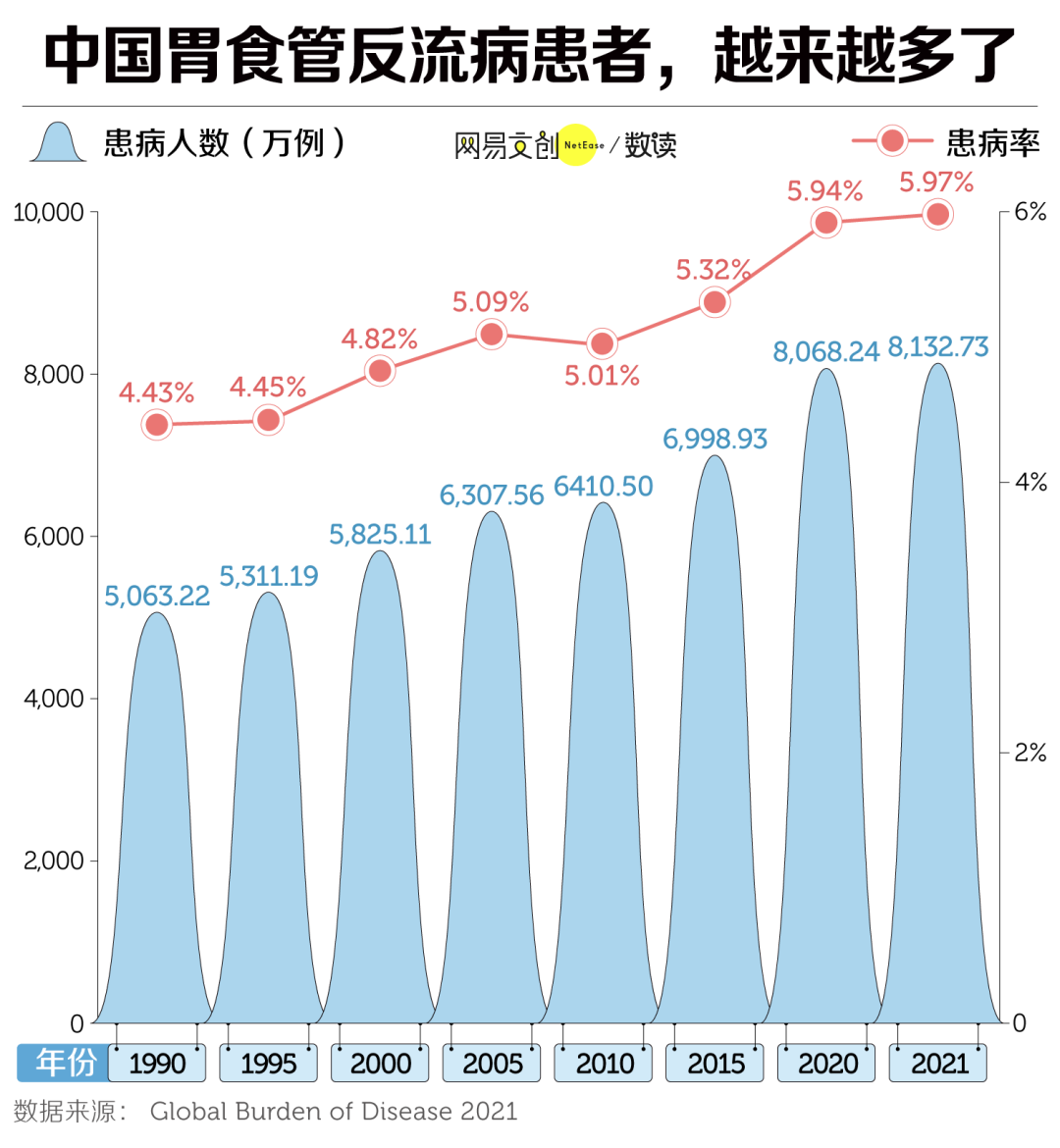
Core Insights - The article discusses the increasing prevalence of gastroesophageal reflux disease (GERD) among young people in China, highlighting its symptoms and the potential for misdiagnosis [4][6][18]. Group 1: Prevalence and Impact - The number of GERD patients in China rose from 50.63 million in 1990 to 81.33 million in 2021, an increase of over 60% [7]. - A study published in 2022 indicated that the overall prevalence of GERD in mainland China has reached 8.7%, affecting more than 120 million people [10]. - In high-incidence areas, such as Anyang in Henan Province, the prevalence can be as high as 17.3%, meaning one in six people suffers from GERD [11]. Group 2: Symptoms and Misdiagnosis - Common symptoms of GERD include heartburn (82.4% occurrence) and regurgitation (58.8% occurrence), which can lead to severe discomfort [12][13]. - GERD is often misdiagnosed, with over 70% of patients having been misdiagnosed before hospitalization [18]. - It can be mistaken for up to 43 different diseases, particularly respiratory conditions like asthma and chronic bronchitis [19]. Group 3: Lifestyle Factors - Fast eating habits, common among young workers, contribute to the risk of GERD by increasing stomach pressure and stimulating acid secretion [29]. - Wearing tight clothing can also elevate the risk of reflux [33]. - High consumption of caffeine and alcohol, along with spicy and fatty foods, are identified as risk factors for GERD [34]. Group 4: Psychological Factors - A significant portion of GERD patients exhibit anxiety (41%) and depression (37%), which can exacerbate symptoms [37]. - Research indicates that individuals with anxiety are 3.2 times more likely to develop GERD, while those with depression have a 1.7 times higher risk [39]. Group 5: Recommendations for Management - Adjusting eating habits, such as slowing down and chewing food thoroughly, is crucial for managing GERD [50]. - Regular physical activity, even in small increments, can significantly reduce the risk of developing GERD [53]. - Dietary changes, including increasing fiber intake and reducing high-fat foods, are recommended to alleviate symptoms [55].
我国1/10成年人胃酸“反流”,久了可能拖成癌
Qi Lu Wan Bao· 2025-04-21 00:45
Core Insights - A recent study indicates that 1 in 10 adults in China suffers from gastroesophageal reflux disease (GERD), highlighting a significant public health concern [3][5]. Group 1: Prevalence and Symptoms - The study, conducted by Peking Union Medical College Hospital and the Chinese Center for Disease Control and Prevention, surveyed 27,000 adults and found that GERD is prevalent among individuals aged 18 to 64 [3]. - Common symptoms of GERD include heartburn, acid reflux, throat discomfort, and hoarseness, with some patients experiencing chest pain that may be mistaken for angina [9]. Group 2: Causes and Risk Factors - The primary cause of GERD is dysfunction of the lower esophageal sphincter, which normally prevents stomach contents from flowing back into the esophagus [6]. - Contributing factors to GERD include poor dietary habits, such as excessive consumption of spicy and fried foods, and lifestyle choices like overeating and eating close to bedtime [10][11]. - Psychological stress and obesity are also significant risk factors, as they can disrupt gastrointestinal function and increase abdominal pressure [12][13]. - Smoking and alcohol consumption weaken the lower esophageal sphincter and irritate the esophageal lining, exacerbating GERD symptoms [14]. Group 3: Complications and Recommendations - Delayed treatment of GERD can lead to serious complications, including esophageal erosion and an increased risk of Barrett's esophagus, which has a cancer risk 30 to 125 times higher than that of the general population [16]. - High-risk groups, such as those with obesity, frequent late-night eating, and high-stress levels, should seek medical attention if they experience symptoms more than twice a week [16]. Group 4: Management and Prevention - Recommendations for managing GERD include lifestyle modifications, such as dietary changes and weight control, as well as medical interventions like proton pump inhibitors for mild cases and endoscopic procedures for severe cases [17][20]. - Specific dietary suggestions include consuming foods that neutralize stomach acid, such as soda crackers and bananas, while avoiding chocolate and carbonated beverages [18]. - It is advised to maintain a healthy weight and undergo annual health check-ups, especially for individuals over 40 or those in high-risk categories [20].