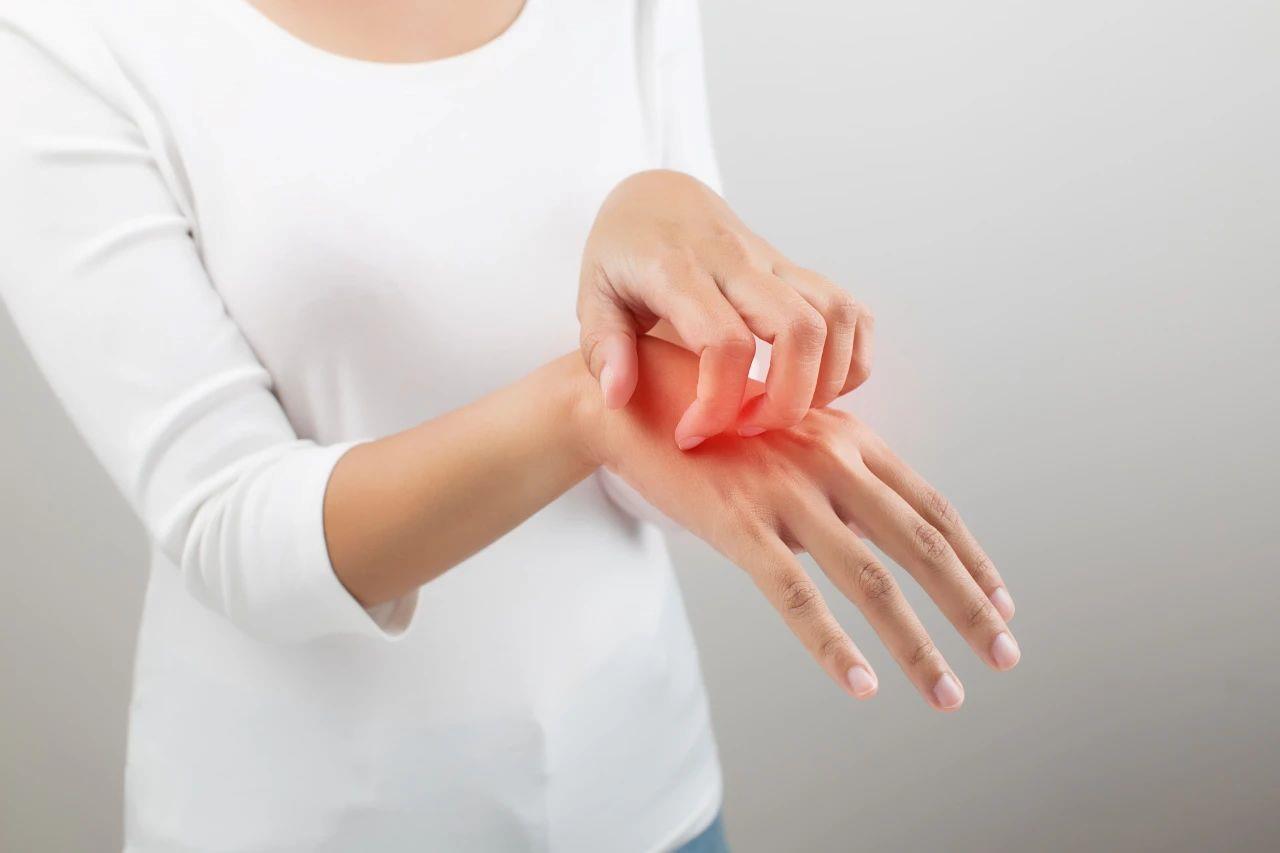
脚气

Search documents
红霉素软膏千万不能这样用!赶紧告诉家里人
Xin Hua Wang· 2025-12-25 14:15
Core Viewpoint - Erythromycin ointment is widely misused as a "universal medicine" for various conditions, but its actual applications are limited and often inappropriate [2][3]. Misuse Scenarios - Erythromycin ointment is commonly misapplied for treating diaper rash, which is a common infant skin condition characterized by redness and inflammation in the diaper area. It is generally not recommended to use erythromycin ointment alone for this condition [2]. - The treatment for diaper rash should focus on moisturizing, reducing irritation, and anti-inflammatory measures, such as changing diapers frequently and applying appropriate topical medications based on the severity of inflammation [5]. - For mosquito bites, erythromycin ointment does not relieve itching or inflammation but may reduce the risk of infection at the bite site [5]. - In the case of eczema, erythromycin ointment's effectiveness is comparable to that of petroleum jelly, as eczema treatment primarily involves moisturizing and anti-inflammatory strategies [6]. - Acne, or acne vulgaris, is a chronic inflammatory skin condition that requires targeted treatments based on the type and severity of lesions, rather than relying solely on an antibiotic ointment [6]. - Athlete's foot, a fungal infection of the foot, requires antifungal treatment, which erythromycin does not provide [9]. Appropriate Use Cases - Erythromycin ointment is suitable for minor infections, such as small area burns or wounds, where there is a clear indication of mild infection [10]. - It can be applied to minor cuts and abrasions after proper disinfection and cleaning, and can also be used for mild burns after cooling the area [11]. - Continuous use of erythromycin ointment for more than one week is not recommended [11].


红霉素软膏千万不能随便用!这些注意事项赶紧告诉家里人
Qi Lu Wan Bao· 2025-10-22 02:34
Core Viewpoint - Erythromycin ointment is widely used for various conditions, but its application is often inappropriate and constitutes misuse [1][3]. Misuse Scenarios - Erythromycin ointment is promoted as a "universal medicine" for conditions such as insect bites, eczema, acne, athlete's foot, and even for treating diaper rash in infants [3]. - For diaper rash, the primary treatment should focus on moisturizing, reducing irritation, and anti-inflammatory measures rather than solely relying on erythromycin ointment [4]. Treatment Recommendations - Effective treatment for diaper rash includes applying moisturizing creams, minimizing diaper wear time, and using appropriate topical medications based on the severity of inflammation [4]. - In cases of insect bites, while erythromycin ointment can reduce the risk of infection, it does not relieve itching or inflammation [5][6]. - Erythromycin ointment is not effective for eczema, where the treatment should focus on moisturizing and anti-inflammatory agents [7]. - For acne, erythromycin ointment is insufficient as acne treatment requires a multifaceted approach [8]. - Athlete's foot, a fungal infection, necessitates antifungal treatment, which erythromycin does not provide [9]. Appropriate Use Cases - The suitable application of erythromycin ointment is primarily for treating minor burns and wounds where there is a risk of infection [10][11]. - It can be used for minor abrasions and superficial burns after proper cleaning and disinfection, but should not be used continuously for more than one week [12].

这3种皮肤病夏季高发 很多人痒到受不了!止痒攻略请查收→
Yang Shi Xin Wen· 2025-07-08 01:36
Group 1: Sweaty Eczema (汗疱疹) - Sweaty eczema typically appears on palms and fingers, characterized by clusters of small blisters resembling water droplets [2] - It is a type of eczema that is highly prevalent in late spring and early summer, with symptoms including intense itching, pain from blister fluid, symmetrical distribution, and a tendency to recur [3][4] - Factors contributing to sweaty eczema include allergic reactions to metals, fungal infections, and lifestyle factors such as stress and poor sleep [4][5][6] - Treatment is generally self-limiting, with symptoms resolving in about two weeks if triggers are avoided [7] Group 2: Heat Rash (痱子) - Heat rash, also known as prickly heat, occurs when sweat cannot evaporate due to high temperatures and humidity, leading to inflammation [23][24] - Adults can also suffer from heat rash, especially those in high-temperature jobs or with certain health conditions [25][26] - The most common types of heat rash include white, red, and pustular types, each with distinct characteristics [27][28] - Proper management involves keeping the skin cool and dry, using mild cleansing products, and potentially applying calamine lotion [30][31][32] Group 3: Athlete's Foot (脚气) - Athlete's foot is a fungal infection characterized by itching, peeling, and blisters, often exacerbated in hot and humid conditions [35] - It is important to differentiate between foot odor and athlete's foot, as not all foot odor indicates a fungal infection [36] - Common misconceptions about treatment include the ineffectiveness of vinegar and iodine foot soaks, which do not adequately address the fungal infection [38][39][40] - Effective treatment requires antifungal medications, and adherence to the full treatment course is crucial to prevent recurrence [44]