脱亚入欧

Search documents
“脱亚入欧”,地理上的这些亚洲国家,却热衷参与欧洲的各类组织
Sou Hu Cai Jing· 2026-02-19 07:55
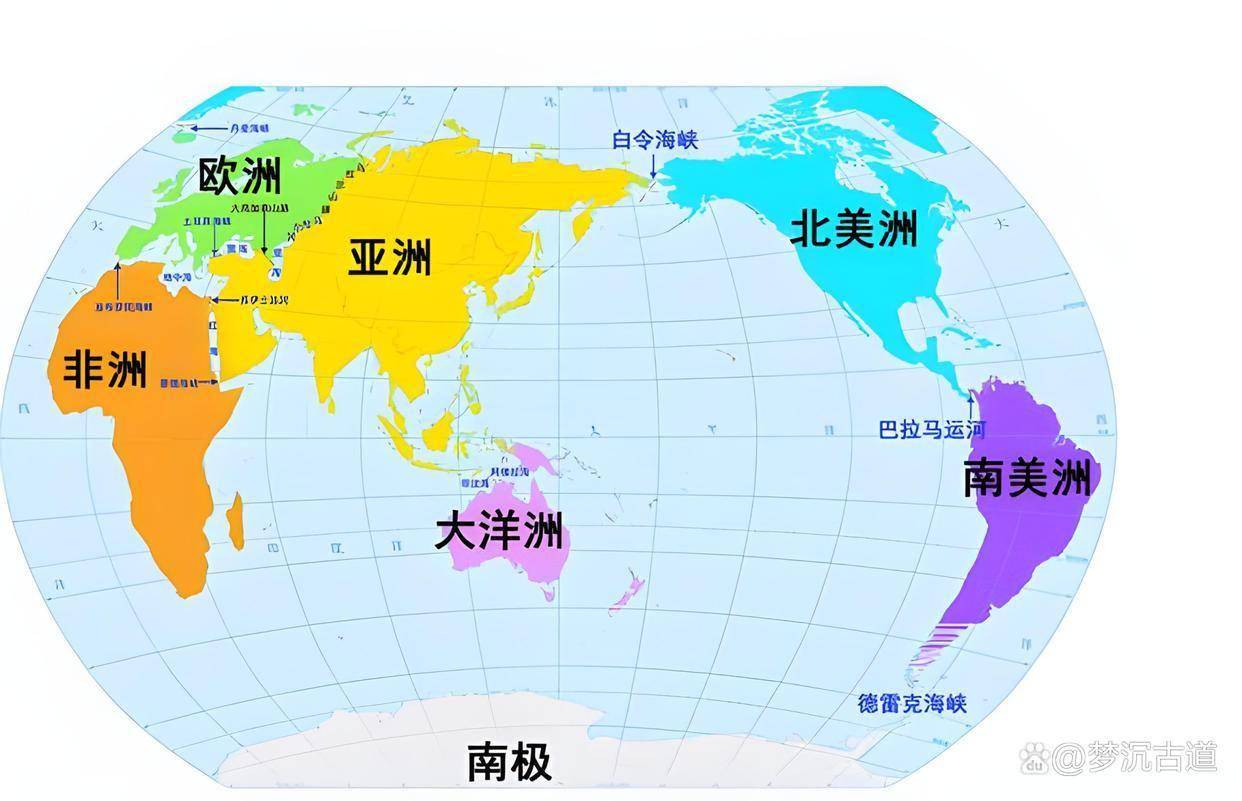
Group 1 - Many Asian countries are choosing to "exit Asia and enter Europe" due to Europe's wealth compared to Asia's relative poverty [1] - Countries such as Cyprus, Israel, Turkey, Georgia, Armenia, Azerbaijan, Kazakhstan, Kyrgyzstan, Uzbekistan, Tajikistan, Turkmenistan, Mongolia, Japan, and South Korea are increasingly aligning with European organizations [1][3][5][6][8][10][11][12][13][15][16][17][18] Group 2 - Cyprus has joined the European Union, the European Council, and is applying to become a Schengen Area member, indicating its deep integration with Europe [3] - Israel is a partner country of the EU and has joined the European Olympic Committee, reflecting its close ties with Europe due to regional isolation [5] - Turkey, while geographically primarily in Asia, actively participates in European organizations and is a candidate for EU membership [6] - Georgia, despite being geographically Asian, identifies as a European country and has joined various European organizations [8] - Armenia, a fully Asian country, is pursuing closer ties with Europe and is considering applying for EU membership [10] - Azerbaijan, also primarily Asian, maintains strong connections with Europe and has joined several European organizations [11] - Kazakhstan, straddling Europe and Asia, is influenced by Russia and has joined European security organizations [12] - Mongolia, although geographically distant from Europe, has engaged with European security matters since joining the European Security and Cooperation Organization in 2012 [17] - Japan and South Korea, while not formal EU members, are involved in various European organizations as partner countries [18]

为什么日本能“脱亚入欧”?
Hu Xiu· 2025-06-11 02:35
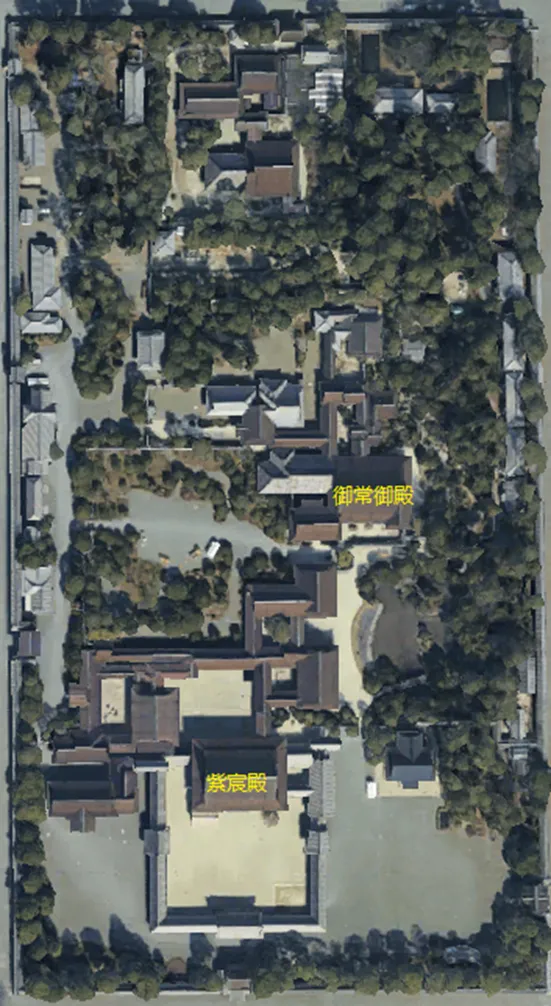
Group 1 - The article discusses the historical context of the 1898 Guangxu Emperor's edict, marking the beginning of the Hundred Days' Reform in China [1] - It contrasts the paths of modernization taken by China and Japan, particularly focusing on the concept of "脱亚入欧" (escaping Asia and entering Europe) [2][3] - The article highlights the differences in architectural styles between Japan and China, emphasizing how Japan's modern architecture diverged from traditional Chinese influences [4][5] Group 2 - Specific examples of Japanese architecture, such as the Kyoto Imperial Palace, are compared to Chinese counterparts, illustrating the lack of symmetry and central axis in Japanese designs [7][10][9] - The article further examines the Edo period's Nijo Castle, noting its composite structure and the absence of a central axis, contrasting it with the structured layout of the Forbidden City in China [12][14][15] - The analysis extends to religious architecture, comparing Kiyomizu-dera in Japan with the Dazhong Temple in Xi'an, highlighting the differences in layout and design principles [19][22][24] Group 3 - The article discusses the underlying social structures of China and Japan, noting that China's governance is centralized and bureaucratic, while Japan historically operated under a feudal system [27][29][31] - It emphasizes that Japan's social structure allowed for a smoother adaptation to Western systems and cultures, unlike China's more rigid structure [39][40] - The conclusion drawn is that historical inertia plays a significant role in shaping the developmental paths of nations, influencing their ability to modernize [40]