自供电心脏起搏器技术

Search documents
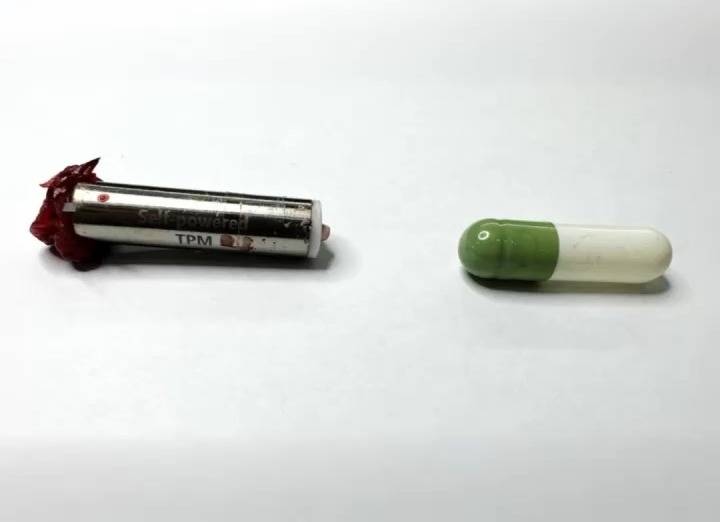
我国科学家研制“胶囊版”自供电微型心脏起搏器
Xin Lang Cai Jing· 2026-01-25 18:15
Core Viewpoint - The development of a capsule-sized, self-powered, wireless cardiac pacemaker represents a significant advancement in the treatment of heart disease, addressing the long-standing issue of battery replacement in traditional devices [1] Group 1: Innovation and Technology - A research team comprising institutions such as the University of Chinese Academy of Sciences and Tsinghua University has successfully developed a micro-sized, self-sustaining cardiac pacemaker [1] - The key innovation of this pacemaker is its integrated high-efficiency energy regeneration module, which captures kinetic energy from the heart's own beats through electromagnetic induction and converts it into electrical energy [1]
用心跳供电 中国科学家造出“自供电”心脏起搏器
Yang Guang Wang· 2026-01-25 04:37
Core Viewpoint - A groundbreaking micro pacemaker has been developed by a collaborative research team from institutions including the University of Chinese Academy of Sciences, Tsinghua University, Peking University, and Fuwai Hospital, which can self-power using the heart's own beats, addressing a significant limitation of traditional pacemakers that require battery replacements [1][3]. Group 1 - The new micro pacemaker is capsule-sized and can be implanted through a minimally invasive procedure via the femoral vein, significantly reducing surgical trauma compared to traditional pacemakers [3]. - This innovative device features a built-in micro power station that converts each heartbeat into approximately 40 microjoules of energy, exceeding the energy requirements for long-term operation of the pacemaker [3]. - The design includes a clever structure that allows key components to operate in magnetic suspension, minimizing friction and energy loss [5]. Group 2 - The technology has been successfully tested in animal models, specifically in pigs with arrhythmias, where it autonomously operated for one month, generating power from heartbeats while effectively regulating heart rhythm [5]. - This advancement represents a shift from traditional pacemakers, which require regular maintenance, to a more integrated solution that can accompany patients throughout their lives, enhancing the quality of life for heart disease patients [5].