微型心脏起搏器

Search documents
心脏也能成为充电宝
Xin Lang Cai Jing· 2026-01-27 08:30
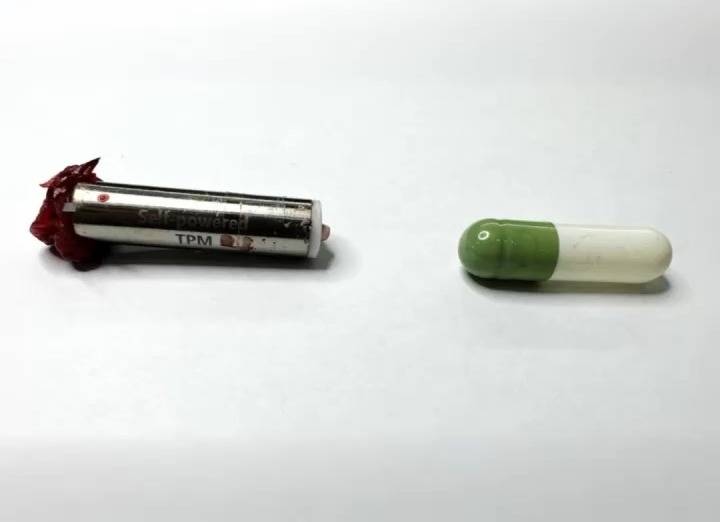
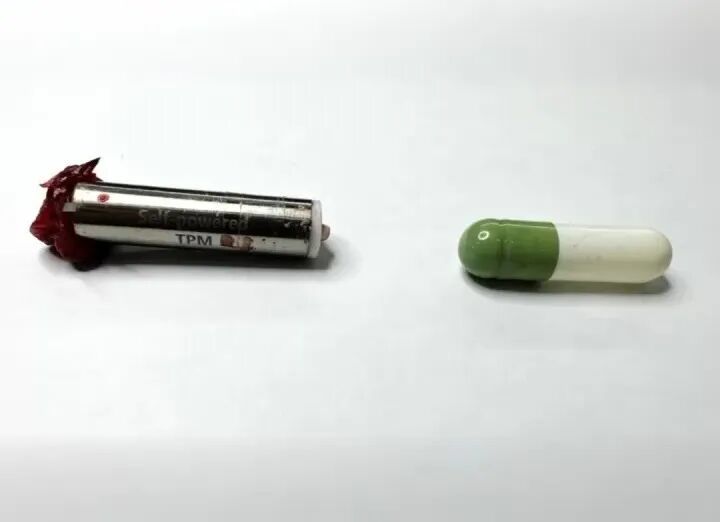
Core Viewpoint - A significant advancement in cardiac care has been achieved with the development of a micro self-powered pacemaker by a collaborative team from institutions including the University of Chinese Academy of Sciences, Tsinghua University, Peking University, and Fuwai Hospital, which utilizes the heart's own energy for operation [1] Group 1 - The new pacemaker is capsule-sized, significantly smaller than traditional devices, which are about the size of a matchbox [1] - It can be implanted minimally invasively through the femoral vein in the patient's leg, resulting in less trauma compared to conventional methods [1] - The device generates sufficient energy from the heartbeat, exceeding the energy threshold required for long-term operation of pacemakers, creating a symbiotic relationship with the heart [1]
用心跳供电 中国科学家造出“自供电”心脏起搏器
Yang Guang Wang· 2026-01-25 04:37
Core Viewpoint - A groundbreaking micro pacemaker has been developed by a collaborative research team from institutions including the University of Chinese Academy of Sciences, Tsinghua University, Peking University, and Fuwai Hospital, which can self-power using the heart's own beats, addressing a significant limitation of traditional pacemakers that require battery replacements [1][3]. Group 1 - The new micro pacemaker is capsule-sized and can be implanted through a minimally invasive procedure via the femoral vein, significantly reducing surgical trauma compared to traditional pacemakers [3]. - This innovative device features a built-in micro power station that converts each heartbeat into approximately 40 microjoules of energy, exceeding the energy requirements for long-term operation of the pacemaker [3]. - The design includes a clever structure that allows key components to operate in magnetic suspension, minimizing friction and energy loss [5]. Group 2 - The technology has been successfully tested in animal models, specifically in pigs with arrhythmias, where it autonomously operated for one month, generating power from heartbeats while effectively regulating heart rhythm [5]. - This advancement represents a shift from traditional pacemakers, which require regular maintenance, to a more integrated solution that can accompany patients throughout their lives, enhancing the quality of life for heart disease patients [5].

心脏能成为“充电宝”?我国科学家有新发明
Xin Lang Cai Jing· 2026-01-24 09:18
Core Viewpoint - A groundbreaking micro pacemaker has been developed by a collaboration of institutions including the University of Chinese Academy of Sciences, Tsinghua University, Peking University, and Fuwai Hospital, which can generate its own power from the heart's beats, eliminating the need for battery replacements [1][3]. Group 1: Innovation in Medical Technology - The new micro pacemaker is capsule-sized and can be implanted through a minimally invasive procedure via the femoral vein, significantly reducing surgical trauma compared to traditional pacemakers [1]. - This device features a built-in micro power station that converts each heartbeat into approximately 40 microjoules of energy, which exceeds the energy requirements for its long-term operation [3]. - The design includes a magnetic levitation structure that minimizes friction and energy loss, enhancing the efficiency of the device [5]. Group 2: Clinical Application and Future Prospects - The technology has been successfully tested in animal models, specifically in pigs with arrhythmias, where it operated autonomously for one month while regulating heart rhythms and generating power from heartbeats [5]. - This innovation represents a shift from traditional pacemakers, which require regular maintenance, to a more integrated and life-long companion for patients, reflecting a deeper integration of technology into biological rhythms [5].
乐城先行区政策优势激发与会企业家投资意愿
Hai Nan Ri Bao· 2025-11-30 00:25
Core Insights - The Boao Lecheng International Medical Tourism Pilot Zone is attracting significant interest from private enterprises due to its unique policy advantages and advanced medical facilities, which are seen as opportunities for investment and collaboration in the healthcare sector [2][3] Group 1: Investment Opportunities - The Lecheng pilot zone is showcasing cutting-edge medical technologies, such as targeted drugs for tumor treatment and miniature heart pacemakers, which are drawing attention from investors [2] - The policy advantages of the Lecheng zone are creating a favorable environment for private enterprises to invest in the healthcare sector, particularly in medical tourism and wellness projects [3] Group 2: Industry Development - The introduction of international medical resources in Lecheng is significantly enhancing the quality of domestic medical services, contributing to the growth of the healthcare industry in Hainan Free Trade Port [2] - The integration of cultural tourism and healthcare is being emphasized by companies looking to collaborate with Lecheng, indicating a trend towards holistic wellness solutions [3]
乐城“行医” 未来方舟 特区先行
Shang Hai Zheng Quan Bao· 2025-11-03 18:16
Core Insights - The International Innovation Medical Device Exhibition in Boao, Hainan, has showcased 810 innovative medical devices since its opening in April 2021, with 441 of them not yet available in China and 394 making their debut in the country [1][2] - The Boao Lecheng International Medical Tourism Pilot Zone has successfully attracted over 510 global innovative medical devices and expedited the domestic launch of 21 innovative medical devices, positioning itself as a "hope city" for patients with rare diseases and complex conditions [2][4] Group 1 - The Boao Lecheng Pilot Zone has implemented a "four special" policy framework, including special medical, research, operation, and international medical exchange policies, along with zero-tariff benefits, facilitating its transformation from a policy testing ground to an industrial highland [1][4] - The first prescription for the innovative drug Matazizumab for hemophilia was issued at the Shanghai Jiao Tong University School of Medicine Affiliated Ruijin Hospital in Hainan in February this year [2] - As of now, the Boao Lecheng Pilot Zone has completed the "first use in China" for 522 international innovative medical devices, benefiting over 180,000 patients [2] Group 2 - The "zero-tariff" and "first trial" policies in the Boao Lecheng Pilot Zone are highly attractive to enterprises, supported by a mature "research-registration-industrialization" chain and an ecosystem of "policy innovation + industrial agglomeration" [4] - The zone has gathered over 30 top domestic and international medical institutions, creating a structure that includes public, private, and international entities [4] - The Boao Lecheng Pilot Zone is set to benefit from a more open development environment and broader market space as the Hainan Free Trade Port prepares for its closure operation [4]