自动化检测

Search documents
视频丨AI算法察“颜”观“色” 来看旧手机的“重生考核”
Yang Shi Xin Wen Ke Hu Duan· 2025-11-03 06:10
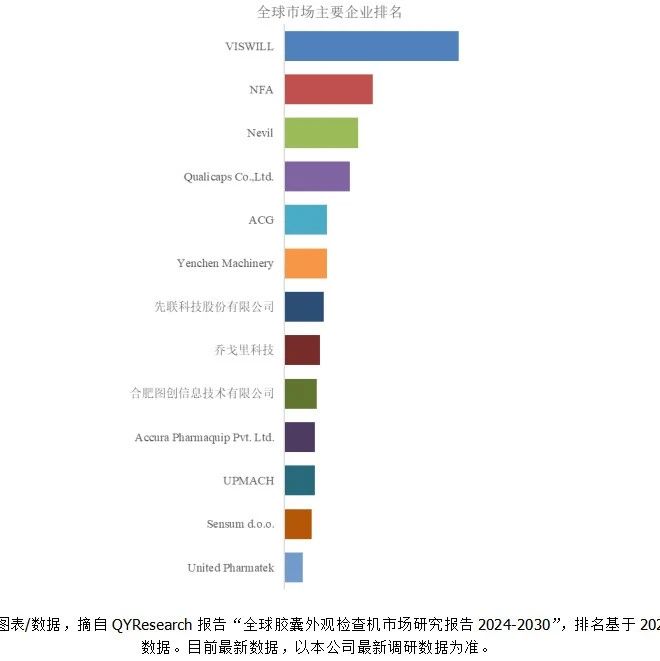
Core Insights - The Ministry of Industry and Information Technology reported that China's mobile phone production reached 961 million units in the first eight months of this year, with 758 million of those being smartphones, reflecting a year-on-year growth of 1% [1] Group 1: Mobile Phone Recycling Process - In an automated operation center in Dongguan, old mobile phones are processed along a 100-meter long automated production line, where each phone is assigned a unique QR code for tracking [3] - The phones undergo an X-ray inspection to assess internal components without disassembly, completing the process in just 7 seconds [5] - A 360-degree photo booth captures 22 images of each phone, which are analyzed by a self-developed quality inspection model, achieving a precision of 24 microns and an accuracy rate of over 99.5% [7] - The "function diagnosis" area tests over 70 indicators, including camera functionality, microphone performance, battery health, and charging speed, creating a comprehensive "health record" for each device [11] Group 2: Economic and Environmental Impact - The automation in the recycling process has reduced the comprehensive quality inspection cost per phone by 30% and cut labor assistance costs by 80% [13] - China generates over 400 million waste mobile phones annually, and improper disposal can lead to resource wastage and electronic pollution. The new standardized detection and grading process not only recovers real value but also supports a billion-level second-hand market [15] - This process exemplifies a closed-loop system of "recycling-detection-grading-reuse," benefiting companies through cost savings and profit generation, while providing consumers with reliable second-hand options and promoting environmental sustainability [15]

全球胶囊外观检查机生产商排名及市场占有率
QYResearch· 2025-07-10 08:49
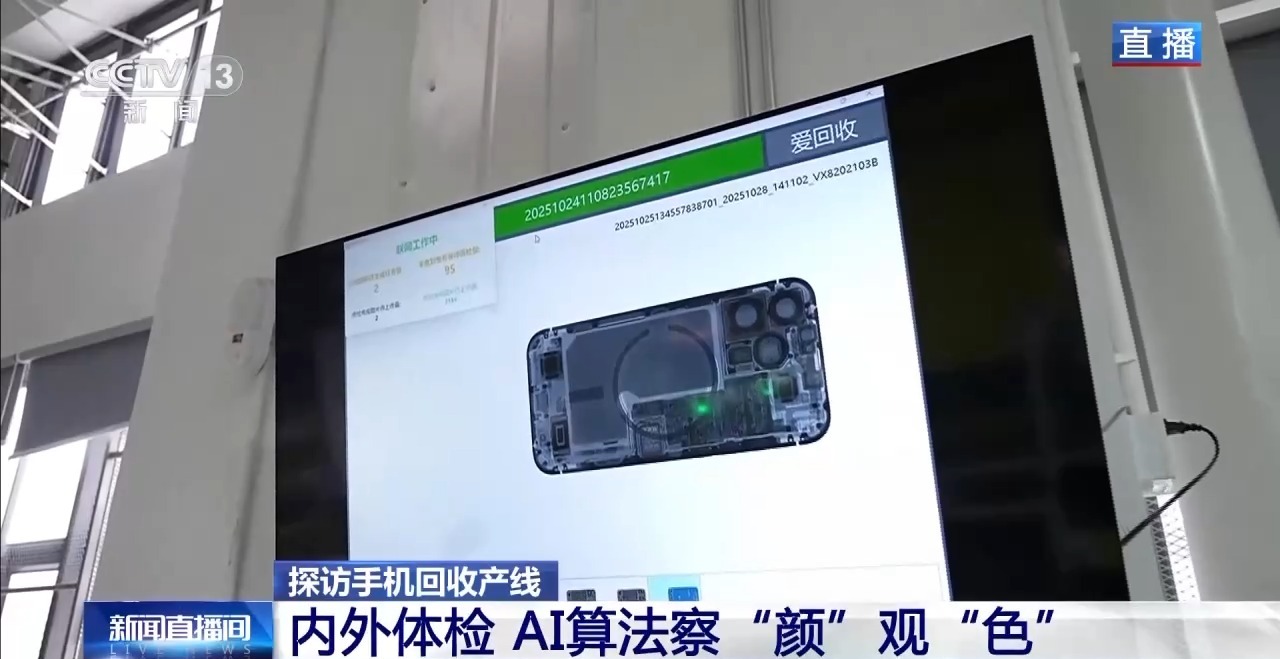
Core Viewpoint - The capsule appearance inspection machine is designed for automated detection of the quality of capsule formulations, ensuring compliance with strict pharmaceutical standards and enhancing product quality while reducing human error in inspections. The global market for these machines is projected to reach $361 million by 2031, with a compound annual growth rate (CAGR) of 5.26% in the coming years [1]. Market Overview - The global market size for capsule appearance inspection machines is expected to reach $361 million by 2031 [1]. - The top five manufacturers hold approximately 45.03% of the market share [6]. Key Drivers - Increasing consumer demand for high-quality pharmaceuticals and health products drives the need for effective defect detection [8]. - Strict regulations from pharmaceutical authorities (e.g., FDA, EMA) encourage the adoption of automated inspection equipment to meet Good Manufacturing Practice (GMP) standards [8]. - Automation significantly reduces inspection time and costs while improving speed and accuracy, facilitating large-scale production [8]. - Automated systems maintain consistency and precision, minimizing defects caused by human error [8]. - Modern machines often include data recording features, aiding in quality tracking and recall management [8]. Major Obstacles - High initial investment costs for purchasing and installing advanced inspection machines can be burdensome for small and medium enterprises [9]. - The complexity of image processing technology and precision mechanics requires skilled personnel for operation and maintenance, increasing operational costs [9]. - Variability in capsule types and production processes may necessitate customized solutions, complicating implementation [9]. - Regular software updates and maintenance are required to maintain optimal performance, leading to ongoing costs [10]. - In some regions or industries, traditional manual inspection methods still dominate, indicating a need for greater acceptance of new technologies [10].