
自适应变形

Search documents
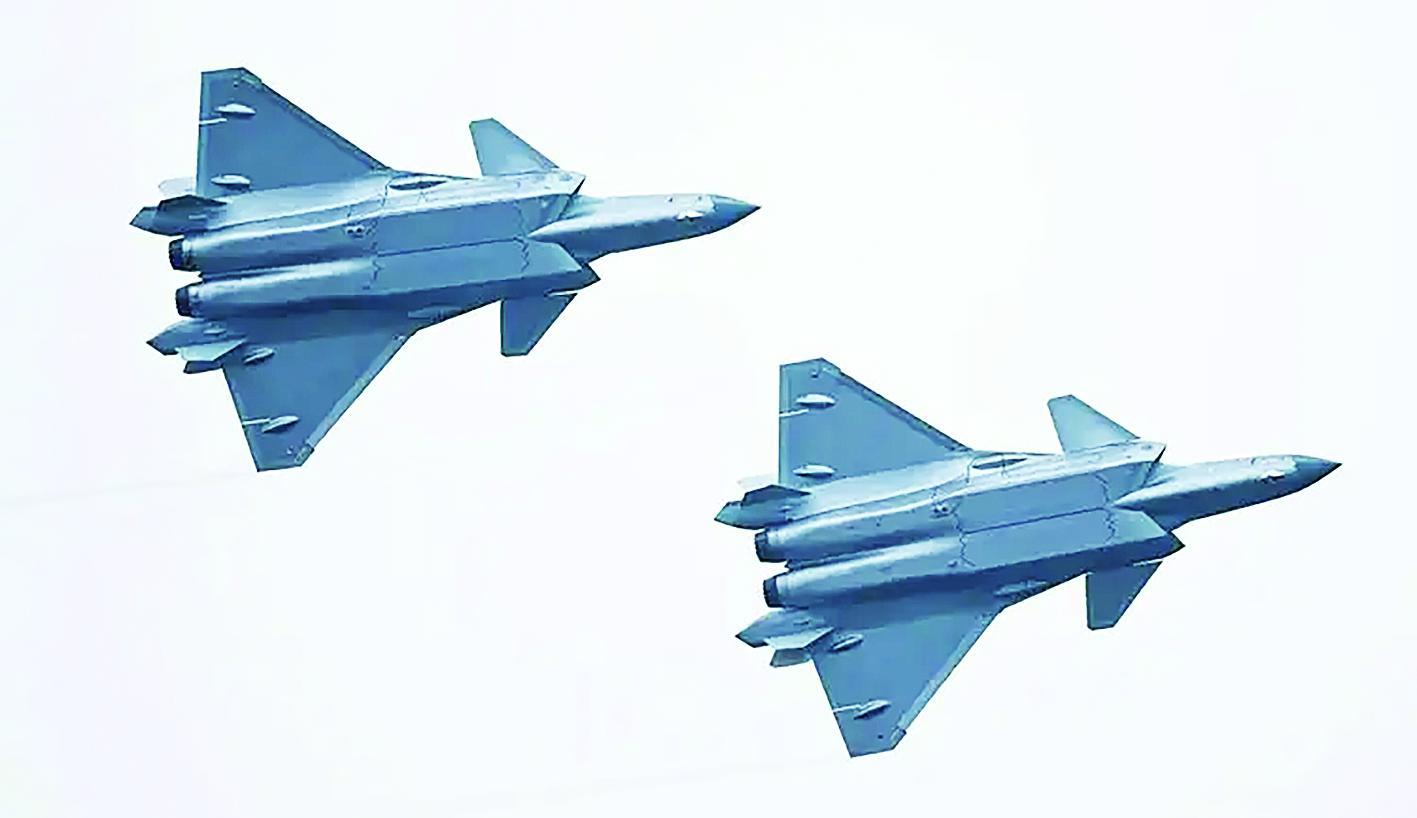
今天,不用隐身 歼-20,尽情展示
Xin Lang Cai Jing· 2026-01-11 17:16
Core Viewpoint - The J-20 fighter jet has marked a significant milestone in China's aviation industry, showcasing advancements in stealth technology and operational capabilities over the past 15 years [6][12]. Group 1: Historical Milestones - The J-20 successfully completed its maiden flight on January 11, 2011, marking China's entry into the "stealth era" of aviation [6]. - The J-20 has made notable appearances, including a five-aircraft formation during the 70th anniversary of the People's Republic of China on October 1, 2019 [8]. - On July 1, 2021, 15 J-20 jets flew over Tiananmen Square during the 100th anniversary of the Communist Party of China [9]. Group 2: Operational Developments - The J-20 has transitioned from technical validation to practical combat training, evolving into a key component of China's air defense strategy [12]. - The aircraft has been involved in various training exercises, including the "Justice Mission-2025" drill, demonstrating its integration with other military assets [12]. - The J-20 is now capable of showcasing its capabilities without the need for stealth, reflecting its operational maturity [12]. Group 3: Future Innovations - The "Nantianmen Plan" introduces three conceptual aircraft, emphasizing advanced technologies such as adaptive transformation and integrated air-space operations [16]. - The "Luan Bird" aircraft, part of the plan, features a significant payload capacity and advanced unmanned capabilities, indicating a shift towards more sophisticated aerial combat systems [13]. - The designs of these conceptual aircraft highlight a departure from traditional models, suggesting a future direction for aviation technology [16].

“南天门计划”正照进现实
21世纪经济报道· 2026-01-11 02:10
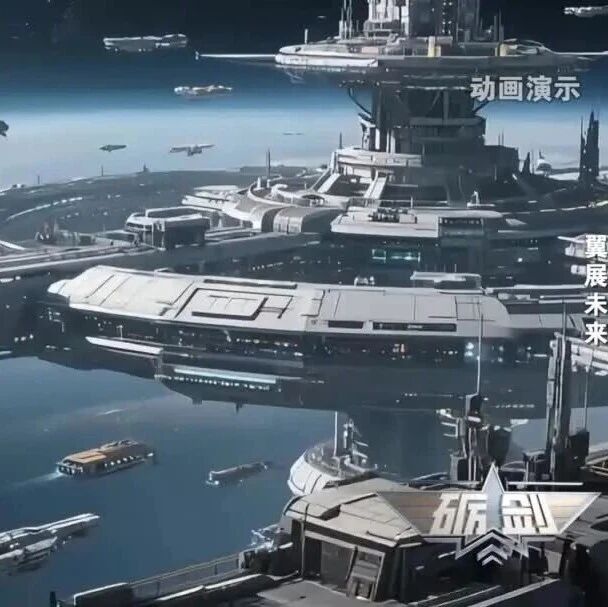
Core Viewpoint - The "South Gate Plan" represents a forward-looking innovation concept in aerospace technology, integrating various advanced technologies into futuristic aircraft designs, which are still in the conceptual stage but indicate significant potential for future developments in aviation and space technology [17][20][22]. Group 1: Aircraft Concepts - The "Luan Bird" is a ten-thousand-ton space mother ship, measuring 242 meters in length and 684 meters in wingspan, with a maximum takeoff weight of 120,000 tons, capable of carrying 88 "Xuan Nu" unmanned space fighters [4]. - The "Xuan Nu" fighter is designed as an unmanned air superiority aircraft featuring a large hollow vortex generator and advanced capabilities such as high maneuverability, stealth, and intelligent systems, allowing it to operate both within and outside the atmosphere using advanced weaponry [6]. - The "Bai Di" space fighter, showcased at the 2024 China Airshow, features a stealthy design and advanced technologies such as full-spectrum stealth, switchable manned/unmanned flight modes, and adaptive engines, allowing for rapid task reconfiguration [9][11]. Group 2: New Platforms and Technologies - The "Zi Huo" vertical takeoff and landing platform, revealed at the 7th China Tianjin International Helicopter Expo, features a striking purple metallic design and is capable of speeds between 700 to 800 kilometers per hour, suitable for various environments [13][15]. - The "Zi Huo" platform combines manned and unmanned operations, enabling autonomous and formation flying, and is designed for multi-task adaptability in missions such as rescue and logistics delivery [15]. - The "South Gate Plan" incorporates cutting-edge technologies such as hypersonic flight, dual-mode propulsion, stealth materials, adaptive configurations, autonomous swarm collaboration, AI-driven decision-making, and directed energy weapons, aiming to redefine future aerospace capabilities [22].
中国:“南天门计划”
中国能源报· 2026-01-10 12:49
Core Viewpoint - The "South Gate Plan" represents a forward-looking innovation concept in aerospace technology, integrating various advanced technologies into conceptual aircraft designs that aim to enhance national aerospace security and capabilities [20][25][26]. Group 1: Conceptual Aircraft - The "Luan Bird" is a 100,000-ton space mother ship, measuring 242 meters in length and 684 meters in wingspan, with a maximum takeoff weight of 120,000 tons, capable of carrying 88 "Xuan Nu" unmanned space fighters [4]. - The "Xuan Nu" fighter is designed as an unmanned air superiority aircraft featuring high maneuverability, stealth, and intelligence, utilizing a sensing-based force field drive for operations both within and outside the atmosphere, armed with particle accelerators and hypersonic missiles [6]. - The "Bai Di" space fighter, showcased at the 2024 China Airshow, features a stealthy design with variable wing configurations, allowing for adaptable mission profiles and advanced technologies for both manned and unmanned operations [9][11]. Group 2: New Aircraft Models - The "Zi Huo" vertical takeoff and landing platform, revealed at the 7th China Tianjin International Helicopter Expo, showcases a futuristic design with a speed range of 700 to 800 kilometers per hour, suitable for various environments [14][17]. - The "Zi Huo" platform combines manned and unmanned capabilities, enabling autonomous and formation flying for missions such as rescue and logistics in hazardous areas, demonstrating its multi-task adaptability [18]. Group 3: Technological Integration - The "South Gate Plan" integrates cutting-edge technologies such as hypersonic flight, dual-mode propulsion, stealth materials, adaptive flight configurations, autonomous drone collaboration, AI-driven decision-making, and directed energy weapons into a cohesive conceptual framework [25]. - Experts emphasize that the challenge lies not in the feasibility of these technologies but in determining which will be realized first and when, highlighting the rapid evolution of technology and the need for a shift in mindset [23][26].
没听错!“南天门计划”正照进现实
券商中国· 2026-01-10 12:06
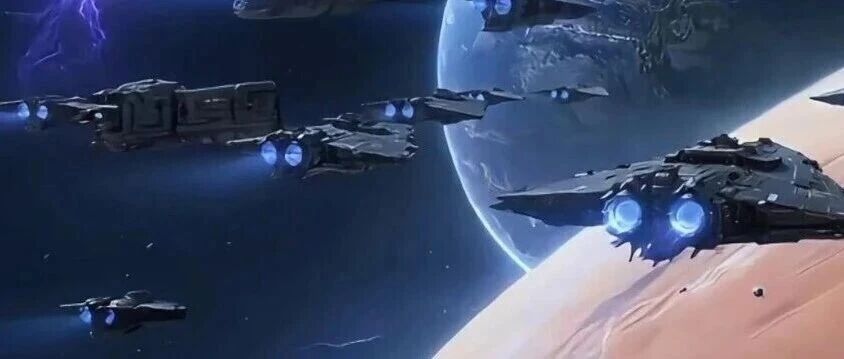
Core Viewpoint - The "Nantianmen Plan" represents a forward-looking innovation concept in aerospace technology, integrating advanced concepts such as hypersonic flight, dual-mode propulsion, and AI-enabled decision-making into futuristic aircraft designs [10][12]. Group 1: Aircraft Concepts - The "Luan Bird" is a 100,000-ton space mother ship, measuring 242 meters in length and 684 meters in wingspan, capable of carrying 88 "Xuan Nu" unmanned aerial vehicles [3]. - The "Xuan Nu" is designed as an unmanned air superiority fighter, featuring high maneuverability, stealth capabilities, and advanced weaponry including particle beam cannons and hypersonic missiles [3]. - The "Bai Di" stealth aircraft showcases a complex variable wing design, allowing for real-time aerodynamic adjustments and the ability to switch between manned and unmanned flight modes [5][6]. Group 2: New Platforms - The "Zi Huo" is a versatile vertical takeoff and landing platform, designed for speeds between 700 to 800 kilometers per hour, capable of operating in low gravity and thin atmosphere environments [9]. - This platform can perform autonomous and coordinated flights, making it suitable for missions such as rescue operations and logistics delivery in hazardous areas [9]. Group 3: Expert Insights - Military experts emphasize that the challenge lies not in the feasibility of these technologies but in determining which innovations will be realized first [10][12]. - The "Nantianmen Plan" aims to consolidate various cutting-edge technologies into a cohesive framework for future aerospace superiority, reflecting a commitment to national air and space security [12].

“南天门计划”正照进现实
财联社· 2026-01-10 11:06
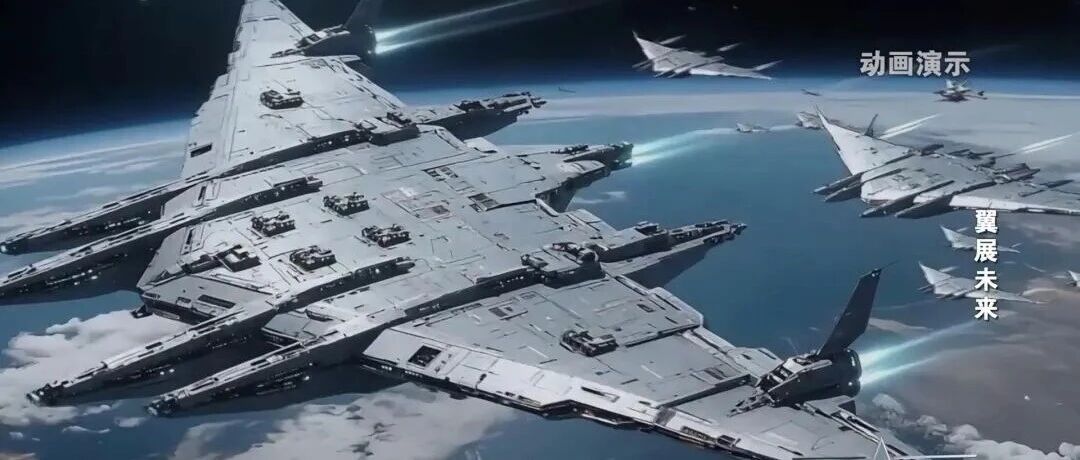
Core Viewpoint - The "Nantianmen Plan" represents a forward-looking innovative concept in aerospace technology, integrating various advanced technologies into futuristic aircraft designs [17][19][21]. Group 1: Aircraft Concepts - The "Luan Bird" is a 100,000-ton space mother ship, measuring 242 meters in length and 684 meters in wingspan, capable of carrying 88 "Xuan Nu" unmanned aerial vehicles [3]. - The "Xuan Nu" aircraft is designed as an unmanned air superiority fighter, featuring a unique dual-side hollow fuselage and advanced propulsion systems, allowing operations both within and outside the atmosphere [5]. - The "Bai Di" aircraft showcases a stealthy design with variable wing configurations, enabling it to switch between manned and unmanned flight modes and adapt its mission profile through modular payloads [7][9]. Group 2: New Platforms - The "Zi Huo" vertical takeoff and landing platform was unveiled at the Tianjin International Helicopter Expo, featuring a striking purple metallic finish and advanced design elements [11][12]. - The "Zi Huo" platform is capable of speeds between 700 to 800 kilometers per hour and is designed for operation in low gravity and thin atmosphere environments, demonstrating versatility for various missions [14][15]. Group 3: Technological Integration - Experts emphasize that the challenge lies not in the feasibility of these technologies but in determining which will be realized first, highlighting the innovative nature of the "Nantianmen Plan" [17][19]. - The plan integrates cutting-edge technologies such as hypersonic flight, dual-mode propulsion, stealth materials, and AI-driven decision-making, aiming to enhance national aerospace security [21].
“南天门计划”上新!专家:实现只是时间问题
Xin Lang Cai Jing· 2026-01-10 08:11
Core Viewpoint - The "South Gate Plan" represents a forward-looking innovation initiative that integrates advanced technologies into military applications, with the potential for significant advancements in aerospace capabilities [11]. Group 1: Overview of the "South Gate Plan" - The "South Gate Plan" includes the development of a 100,000-ton space mother ship named "Luan Niao," measuring 242 meters in length and 684 meters in wingspan, capable of carrying 88 "Xuan Nu" unmanned aerial vehicles [1]. - The "Xuan Nu" aircraft is designed as an unmanned air superiority fighter, featuring a large vortex ring generator and advanced maneuverability and stealth capabilities [2]. - The "Bai Di" space fighter is transitioning from concept to reality, with a 1:1 model set to be showcased at the 2024 China Airshow, featuring significant upgrades from its predecessor [4][5]. Group 2: Technological Innovations - The "Bai Di" fighter incorporates an improved aerodynamic design, including a downward-swept vertical tail and an enlarged internal weapons bay, enhancing its combat capabilities [5]. - The fighter features advanced technologies such as full-spectrum stealth, switchable manned/unmanned flight modes, and adaptive engines, allowing for rapid task reconfiguration [6]. - The "Zi Huo" vertical takeoff and landing platform showcases a futuristic design and is capable of speeds between 700 to 800 kilometers per hour, adaptable to various environments [7][8]. Group 3: Future Implications - The technologies within the "South Gate Plan," while still in conceptual stages, embody cutting-edge ideas such as adaptive morphing and integrated aerospace capabilities, guiding future developments in aviation and space technology [10]. - Military experts assert that the realization of these advanced technologies is a matter of time, emphasizing the importance of overcoming conceptual barriers rather than technical limitations [12].
打开想象力!南天门计划有多酷炫
Xin Lang Cai Jing· 2026-01-10 07:05
Core Viewpoint - The "Nantianmen Plan" integrates multiple cutting-edge technologies into a conceptual framework for futuristic aerospace vehicles, highlighting advancements in military aviation and space technology [1] Group 1: Key Technologies - The "Luan Bird" is a 100,000-ton space mother ship, measuring 242 meters in length and 684 meters in wingspan, with a maximum takeoff weight of 120,000 tons, capable of carrying 88 "Xuan Nu" unmanned aerospace fighters [1] - The "Bai Di" aerospace fighter features full-spectrum stealth capabilities, a switchable manned/unmanned flight mode, drone command, and adaptive engines, allowing for rapid task attribute switching through interchangeable onboard modules [1] - The "Zi Huo" general vertical takeoff and landing platform combines manned and unmanned operations, capable of autonomous and formation flying, and is designed for missions such as rescue and logistics delivery in hazardous areas [1] Group 2: Future Implications - The concepts presented in the "Nantianmen Plan" reflect advanced ideas such as adaptive transformation and integrated aerospace capabilities, which are crucial for the future development of aviation and space technologies [1] - Military experts suggest that the focus is not on whether these technologies can be realized, but rather on which will be implemented first and when [1]
“南天门计划”正照进现实!专家:技术实现只是时间问题
Yang Shi Xin Wen· 2026-01-09 05:20
Core Insights - The "South Gate Plan" is a forward-looking innovation initiative that aims to integrate advanced technologies into military applications, with experts suggesting that the realization of these technologies is merely a matter of time [6] Group 1: Key Technologies and Concepts - The "Luan Bird," a 100,000-ton space aircraft carrier, features a length of 242 meters and a wingspan of 684 meters, capable of carrying 88 "Xuan Nu" unmanned aerial vehicles [2] - The "Bai Di" space fighter has undergone significant upgrades, including improved aerodynamic design and increased internal weapon capacity, making it a key model in the "South Gate Plan" [3] - The "Zi Huo" vertical takeoff and landing platform showcases a futuristic design and is capable of speeds between 700 to 800 kilometers per hour, adaptable to various environments [4] Group 2: Future Implications and Expert Opinions - Military experts emphasize that the technologies within the "South Gate Plan," such as hypersonic flight and AI-enabled decision-making, represent a significant leap towards future aerospace and defense capabilities [6] - The integration of these advanced technologies is seen as essential for maintaining national security in the aerospace domain, with the focus on which technologies will be realized first and when [6] - The designs within the "South Gate Plan" reflect a blend of imaginative concepts and practical applications, indicating a shift towards more advanced military capabilities [5]