航天员训练

Search documents
模拟深空环境 提升心理韧性
Ke Ji Ri Bao· 2026-01-06 01:13
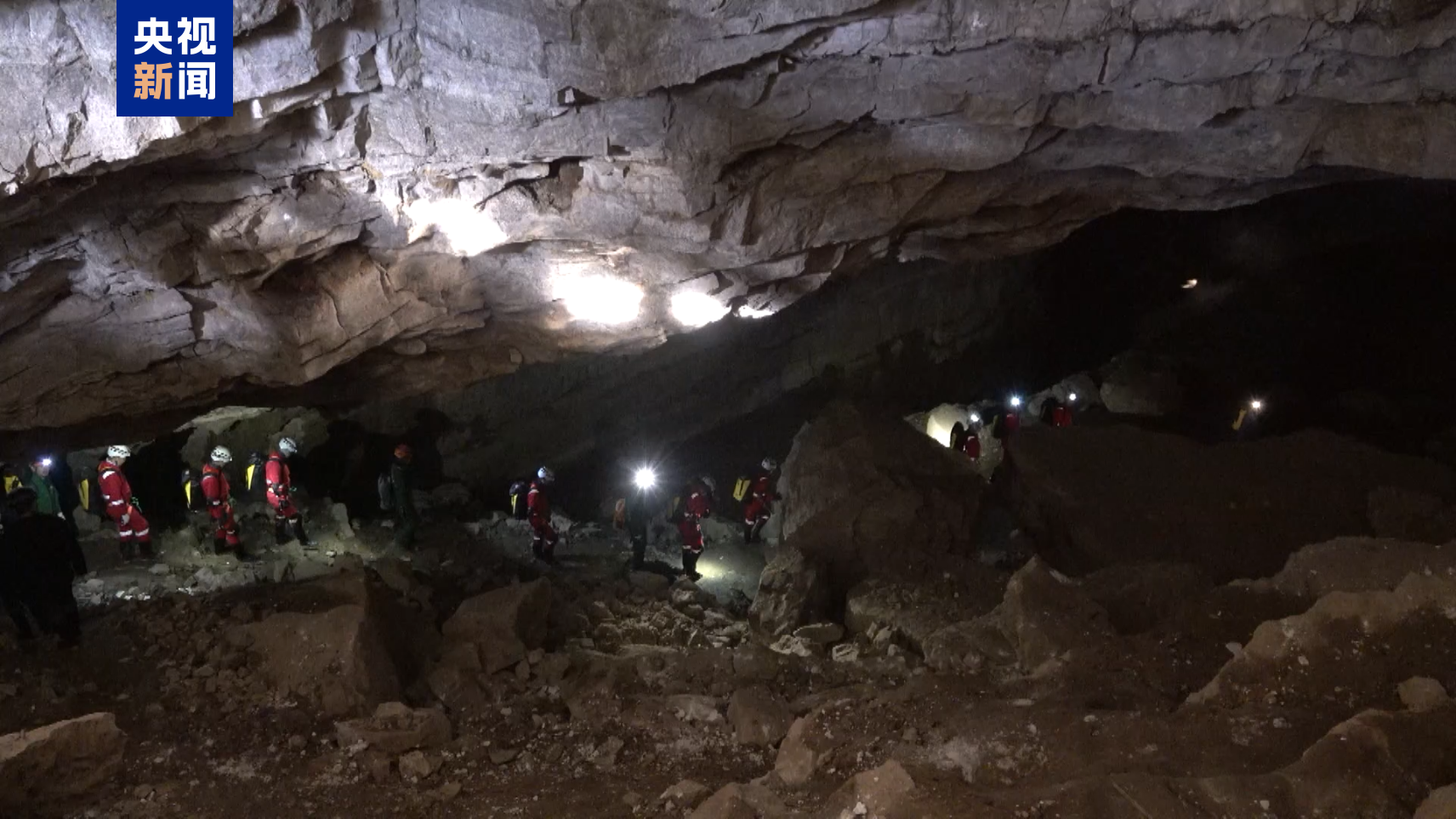
Core Insights - The first cave training for astronauts in China has been successfully completed, involving 28 astronauts over a period of 6 days and 5 nights in Wulong District, Chongqing [1] Group 1: Cave Training Overview - Cave training simulates extreme conditions similar to space, such as isolation, confinement, and high risk, and was conducted in a selected cave after extensive site assessments across multiple provinces [2] - The training included tasks such as cave exploration, scientific research, resource management, and life support, with astronauts facing challenges like narrow passages, cliff climbing, and psychological stressors [2] Group 2: Objectives of Cave Training - The training aims to enhance astronauts' abilities in danger response, autonomous work, teamwork, emergency decision-making, scientific investigation, physical endurance, and psychological resilience in extreme environments [4] - The training also serves as a comprehensive assessment of astronauts, focusing on fostering their autonomy and psychological resilience through reduced support interventions [4] Group 3: Innovations in Training Methods - The cave training featured over ten subjects, including environmental monitoring and team psychological behavior training, while also conducting seven scientific studies on human interaction with extreme environments [3] - The training model was efficient, with astronauts completing cave and jungle training in a month, optimizing time and human resources [3] - New training methods and technologies have been developed, including mixed reality training devices and psychological endurance training systems, to enhance astronauts' capabilities [6][7]
提升危险应对能力,锤炼心理抗压素质,我国首次航天员洞穴训练圆满完成
Huan Qiu Wang Zi Xun· 2026-01-05 22:58
Core Viewpoint - China's first astronaut cave training has been successfully completed, enhancing astronauts' capabilities to cope with extreme environments for future space missions [1][2] Group 1: Training Overview - The cave training involved 28 astronauts divided into 4 groups, completing a 6-day, 5-night program designed to simulate extreme conditions similar to those in space [1][2] - The training included tasks such as cave exploration, scientific research, resource management, and life support, focusing on various challenges like narrow passages and psychological stress [2][6] Group 2: Training Environment and Methodology - The training site was selected after extensive surveys of over ten caves across seven provinces, ensuring safety and challenge [2] - The program incorporated innovative elements, including environmental monitoring, cave mapping, and psychological behavior training, alongside scientific research on human-environment interactions [2][6] Group 3: Psychological and Physical Challenges - The training aimed to enhance astronauts' emergency response, teamwork, decision-making, and psychological resilience in extreme conditions [6][7] - Psychological challenges included sensory deprivation and social isolation, with a focus on tracking and supporting mental health during the training [6][7] Group 4: Continuous Development and Future Implications - The astronaut training center is continuously optimizing training methods and expanding programs to meet the evolving needs of manned space missions [7] - New training technologies and methods are being developed, including mixed-reality training devices and psychological endurance systems, to better prepare astronauts for deep space exploration [7]

我国首次!航天员钻入地下深洞……
Huan Qiu Wang Zi Xun· 2026-01-05 09:40
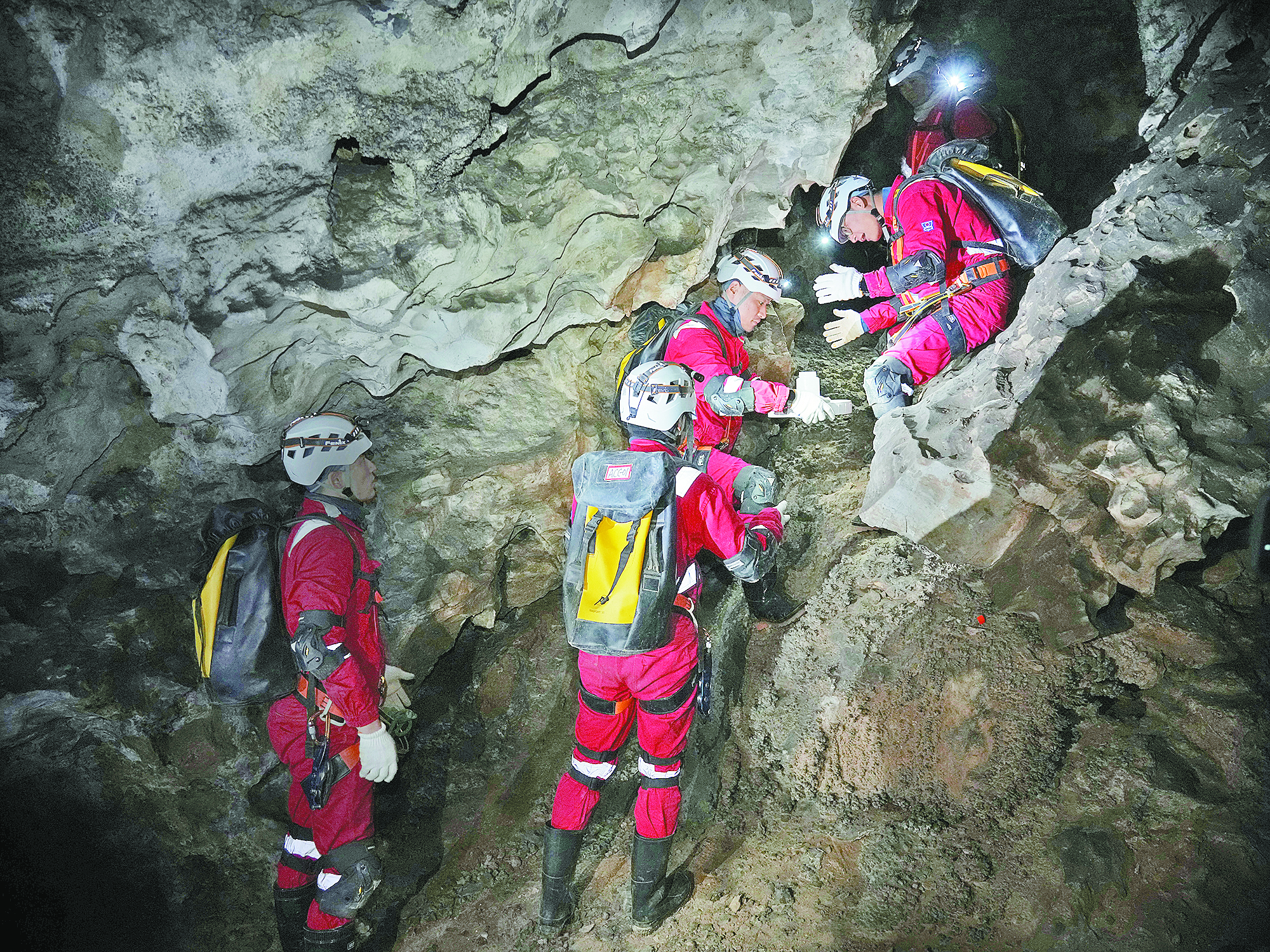
Core Insights - The article discusses China's first organized astronaut cave training, which successfully concluded, simulating a "space mission" in a cave environment [1][10] - The training involved 28 astronauts who underwent a rigorous program designed to replicate the extreme conditions of space [1][10] Group 1: Training Environment and Structure - The training took place in a deep cave in Wulong District, Chongqing, with an average temperature of 8°C and humidity reaching 99% [1] - Astronauts were divided into four groups and spent 6 days and 5 nights in the cave, facing challenges such as narrow passages, cliff climbing, and extreme physical tests [1][3] Group 2: Training Activities - Daily activities included several hours of cave exploration, scientific research, and resource management, akin to high-intensity extravehicular activities [3] - Astronauts were required to independently conduct cave mapping, monitor environmental parameters, and collect samples, while also responding to simulated emergencies [3] Group 3: Psychological Training - A core objective of the cave training was to address psychological challenges such as sensory deprivation and social isolation [5] - Continuous psychological observation and assessment were conducted to gather data on astronauts' mental states in extreme environments, which will support future long-duration missions [6] Group 4: Skills Development - The training aimed to enhance astronauts' capabilities in risk management, teamwork, scientific research, emergency decision-making, physical endurance, and psychological resilience [8] - The successful implementation of this training marks a significant step towards a more comprehensive and practical astronaut training system, supporting longer missions and future lunar exploration [10]
中国首次航天员洞穴训练圆满完成
Zhong Guo Xin Wen Wang· 2026-01-05 06:04
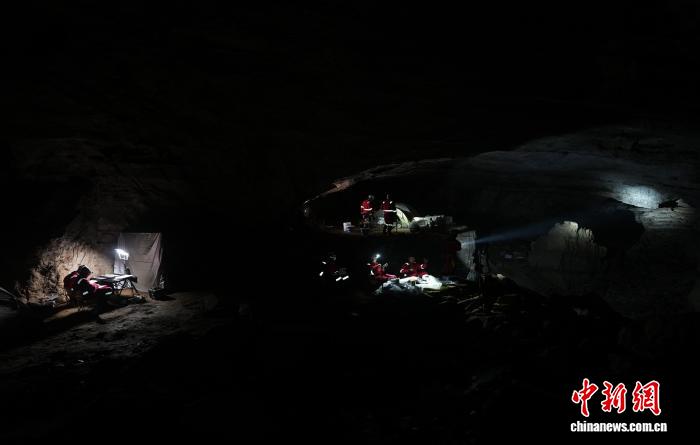
Core Viewpoint - China's first astronaut cave training has been successfully completed, enhancing the training system for astronauts and preparing them for future long-duration space missions and manned lunar landings [1][3]. Group 1: Training Overview - A total of 28 astronauts participated in the cave training, which lasted for 6 days and 5 nights, conducted in Wulong District, Chongqing [1]. - The training was designed to simulate extreme conditions similar to those in space, including isolation, confinement, and high-risk scenarios [3]. Group 2: Training Content and Objectives - During the training, astronauts were tasked with cave exploration, scientific research, resource management, and life support, facing challenges such as narrow passages, cliff climbing, and extreme physical tests [3]. - The training emphasized the development of astronauts' autonomy by reducing internal support and enhancing psychological monitoring, which is crucial for future space missions [3]. Group 3: Future Training Plans - The China Astronaut Research and Training Center plans to continue organizing training for astronauts who did not participate this time and for future recruits, focusing on adapting to extreme environments and enhancing mission execution capabilities [4].
我国首次航天员洞穴训练圆满完成 揭秘“太空特训”细节
Yang Shi Xin Wen· 2026-01-05 02:01
Core Insights - The first cave training for astronauts organized in China has successfully concluded in Wulong District, Chongqing, with 28 astronauts participating in the training [1][11] - The training aimed to enhance astronauts' capabilities in extreme environments, focusing on teamwork, scientific research skills, emergency decision-making, physical endurance, and psychological resilience [3][5] Training Details - Astronauts were divided into four groups, each staying in the cave for 6 days and 5 nights, in an environment with an average temperature of 8°C and humidity of 99% [1][3] - The training included cave exploration, scientific research, resource management, and life support tasks, simulating conditions similar to those in space [1][3] - Daily activities involved extensive physical challenges, including climbing, crawling through narrow passages, and conducting scientific measurements [3][5] Psychological Training - A core objective of the cave training was psychological behavior training, addressing challenges such as sensory deprivation and social isolation [5][11] - Continuous psychological observation and support were provided to astronauts during the training, with data collected on their psychological states in extreme environments [5][11] Training Methodology - The training design was highly challenging, with tasks resembling high-intensity extravehicular activities [3][5] - The training incorporated a "compressed cross-training" model, seamlessly integrating cave and jungle training to maximize efficiency [9][19] Safety and Logistics - The selection of the cave site involved extensive assessments across multiple provinces to ensure safety and suitability for training [13][15] - Innovative logistics solutions were implemented, including the use of drones for transporting equipment to the cave [17][19] - A comprehensive safety protocol was established to address potential risks, ensuring effective communication and emergency response measures [19] Future Implications - The successful implementation of this training marks a significant step towards enhancing the astronaut training system in China, supporting longer-duration missions in space [11][12] - The training results will contribute valuable data for developing psychological support systems for future manned lunar missions [5][11]
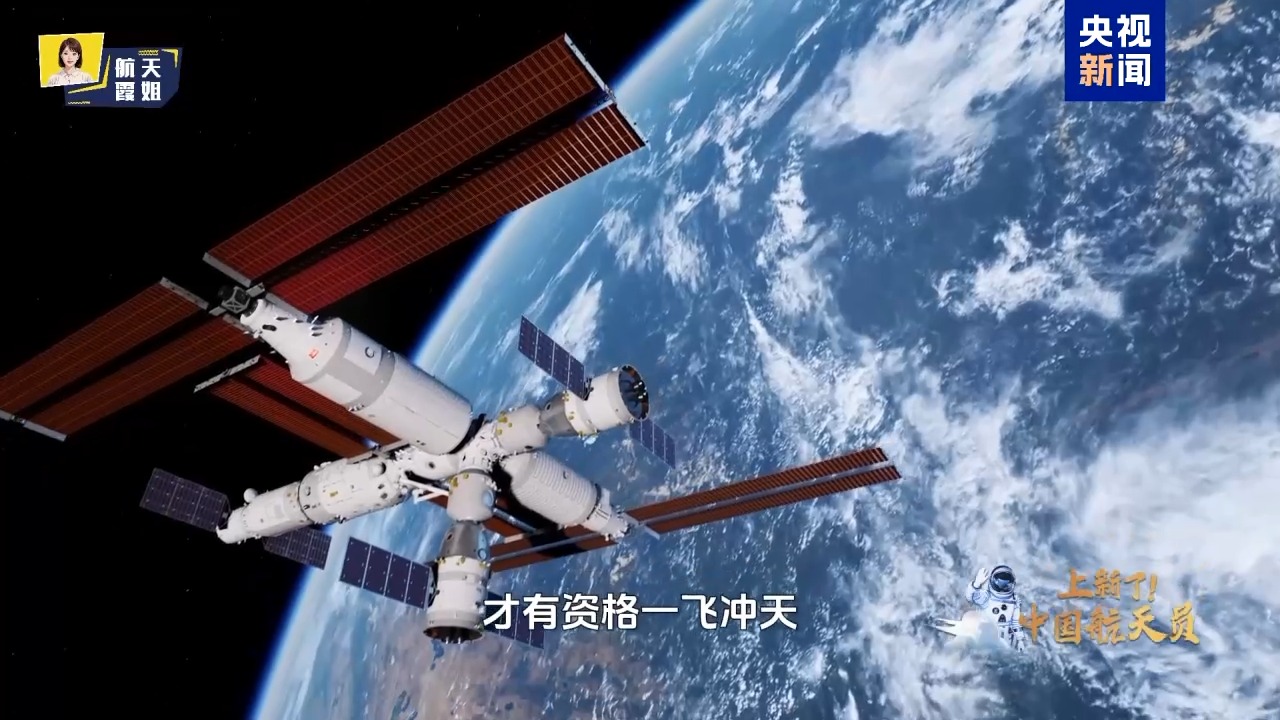
上新了!中国航天员 揭秘“超能力”的炼成记
Yang Shi Xin Wen Ke Hu Duan· 2025-04-23 01:07
Core Viewpoint - The article highlights the rigorous training and selection process that Chinese astronauts undergo to prepare for space missions, emphasizing the challenges they face both physically and psychologically [2][4][6]. Group 1: Astronaut Selection and Training - The Chinese astronaut team was established in 1998 with only 14 astronauts, and as of this year, there are 24 astronauts who have completed 14 manned missions [6]. - Astronauts must pass a strict selection process and undergo comprehensive training, which includes various engineering tests such as human-vehicle joint tests and long-duration manned simulations [6][12]. - Training includes familiar exercises like underwater training in a simulated weightlessness environment, where astronauts practice tasks such as equipment assembly [8]. Group 2: Physical and Psychological Challenges - Astronauts train in a centrifuge to prepare for the intense G-forces experienced during rocket launches and landings, with forces reaching up to 8G [10]. - Despite the extreme discomfort during training, astronauts are encouraged to persevere, with no one having pressed the emergency button during training sessions in over 20 years [10]. - Post-mission, astronauts continue their training to maintain readiness for future flights, indicating that their training journey is ongoing as long as they remain active [12].