航空业动荡

Search documents
战争、油价与欠薪,造成堪比新冠疫情时期的旅行混乱局面
财富FORTUNE· 2026-03-24 13:08
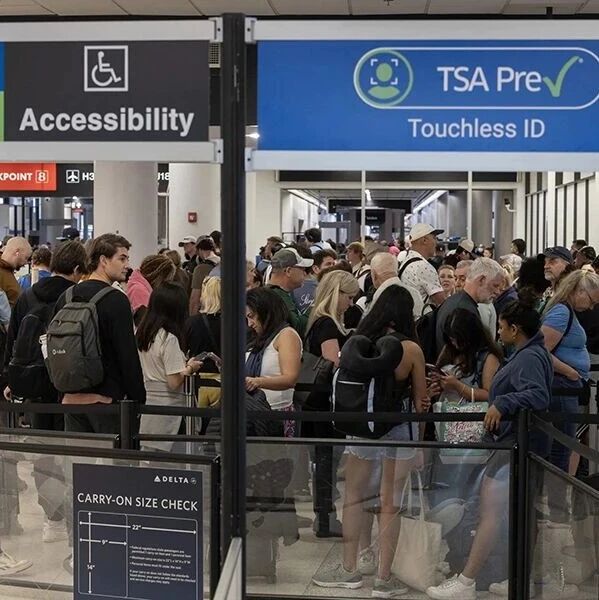
Core Viewpoint - The ongoing regional conflict involving missiles and drones has disrupted air travel in the Middle East, leading to soaring oil prices and significant operational challenges for airlines, reminiscent of the chaos experienced during the COVID-19 pandemic [1][2]. Group 1: Impact on Air Travel - The conflict between the U.S., Israel, and Iran has effectively dismantled the Gulf region's status as a global aviation hub, forcing airlines to cancel or reroute flights, leaving travelers in difficult situations [2][4]. - Travelers are facing limited options, with many resorting to long drives to neighboring countries with operational airports, as airspace closures can change rapidly [4]. - Brent crude oil prices have surged over 50% in the past month, reaching $115 per barrel, while the global average aviation fuel price has risen to $157.41 per barrel, nearly double the industry forecast for 2026 [4]. Group 2: U.S. Transportation Security Administration (TSA) Crisis - The U.S. TSA is experiencing a "chronic crisis" due to a government shutdown, with 50,000 TSA agents working without pay for over a month, leading to a 20% absentee rate at major airports [5]. - The disruption has resulted in extremely long security wait times and significant delays at U.S. airports, negatively impacting the travel experience [5]. Group 3: Risks to the Tourism Industry - The timing of this crisis is particularly detrimental as the 2026 FIFA World Cup and the 2028 Los Angeles Olympics are expected to generate billions in revenue for the struggling U.S. tourism industry [6][7]. - Concerns over entry procedures, flight delays, and high ticket prices may deter potential visitors, impacting not only the events but also businesses reliant on tourism, such as hotels and restaurants [7].