艺术回归本真

Search documents
笛声暖寒岁 艺术归人间
Xin Lang Cai Jing· 2025-12-30 20:11
Group 1 - The core idea of the article highlights the growing popularity of Sun Chubo, a young bamboo flute performer, among elderly audiences in Beijing, reflecting a demand for cultural engagement among seniors [1][2][3] - Sun Chubo's performances have attracted over 1,000 attendees per show, demonstrating a significant interest in accessible cultural activities for the elderly [1][2] - The initiative addresses the lack of suitable cultural offerings for seniors, as many traditional venues and events are often too expensive or not tailored to their interests [2][3] Group 2 - The elderly audience, referred to as "uncle fans," "aunt fans," and "grandparent fans," signifies a broader societal need for enriching cultural experiences for older adults [2][3] - Sun Chubo's concerts not only provide entertainment but also serve as a form of companionship, alleviating feelings of loneliness among seniors [3][4] - The performances have also attracted a diverse audience, including children, students, and tourists, indicating a successful outreach beyond just the elderly demographic [4][5] Group 3 - The article emphasizes the importance of making art accessible to the public, challenging traditional cultural institutions to engage more with the community [4][5] - Sun Chubo's approach is seen as a return to the essence of art, where it becomes a part of everyday life rather than an elite experience [5]
回归艺术的本源与纯粹
Ren Min Ri Bao· 2025-05-17 21:52
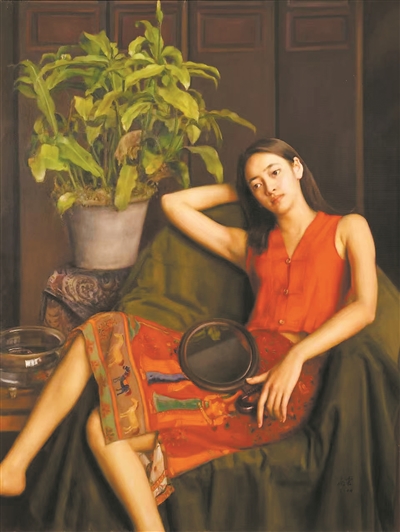
Core Viewpoint - The exhibition "Essence and Purity" at the Kant Art Museum aims to explore the intrinsic characteristics of realistic oil painting, distinguishing it from mere image replication, through the works of 85 renowned oil painters and 139 pieces of art [1][2]. Group 1: Artistic Exploration - The exhibition emphasizes that the charm of realistic oil painting lies not in the replication of objective objects but in the artist's observation, understanding, and emotional choices during the creative process [1][2]. - The concept of "purity" in oil painting is highlighted as a return to the essence of the medium, rejecting the misuse of other artistic languages and exploring the unique language of oil painting [2][3]. - The exhibition showcases works from artists who have been influential since the late 1970s, tracing the development of Chinese oil painting and revealing potential paths for returning to artistic authenticity [2][3]. Group 2: Historical Context and Influence - The exhibition reflects on the historical journey of oil painters in China since the reform and opening up, showcasing their commitment to the purity of artistic aesthetics [3]. - It draws parallels between realistic oil painting and traditional Chinese painting, suggesting a correspondence that highlights the evolution of oil painting in China [3]. - The exhibition aims to connect modern Chinese oil painting with Western art movements such as abstract expressionism and symbolism, showcasing the unique Chinese experience and perspective in contemporary oil painting [3].