花神文化

Search documents
春晚出现了7位男花神,有啥依据?
Xin Lang Cai Jing· 2026-02-19 03:33
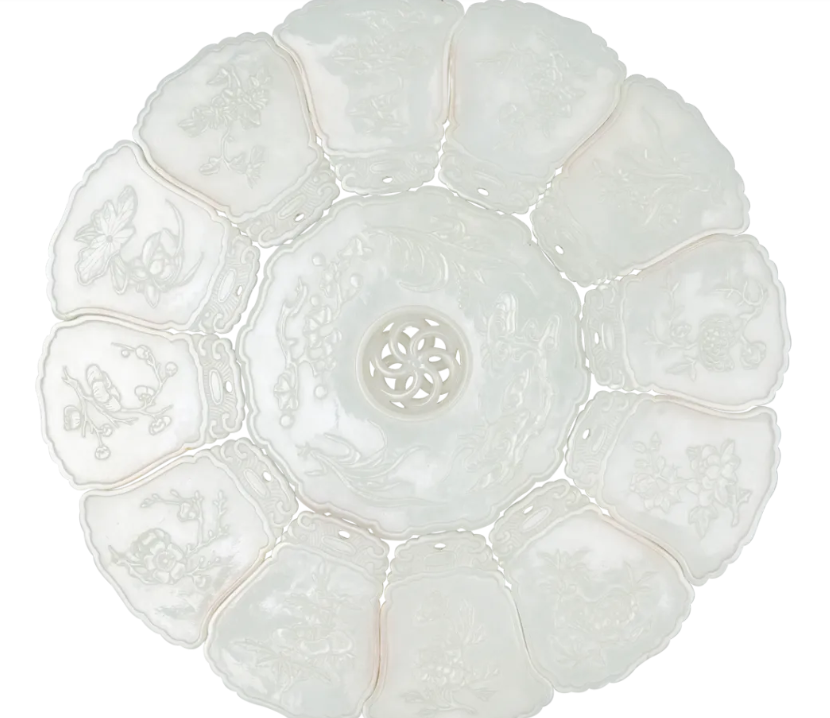
Core Viewpoint - The Spring Festival Gala's segment "He Hua Shen" innovatively features historical figures as flower deities, reflecting deep cultural considerations and a blend of traditional and contemporary interpretations of flower god culture [1][21]. Group 1: Cultural Significance - The selection of historical figures like Zhang Qian and Wang Zhaojun as flower deities is not merely aesthetic but embodies significant cultural and spiritual meanings tied to Chinese heritage [1][21]. - The program has sparked discussions on the representation of flower deities, traditionally seen as female, now including a mix of male and female figures, highlighting the evolving nature of flower god culture [1][9]. Group 2: Historical Context - The "He Hua Shen" segment is based on the "Baiyu Yueling Zupei" from the Palace Museum, which serves as the definitive reference for the twelve monthly flowers and their corresponding deities [3][5]. - The flower deity system is diverse, with numerous regional variations and interpretations, reflecting the rich tapestry of Chinese folk and literary culture [2][3]. Group 3: Artistic Representation - The performance features twelve flower deities, each representing a month and associated with historical figures known for their literary and cultural contributions, thus enriching the narrative of flower god culture [5][11]. - The integration of historical figures into the flower deity framework allows for a deeper connection between nature and cultural identity, enhancing the aesthetic experience for the audience [21][22]. Group 4: Evolution of Flower God Culture - Flower god culture has evolved over a millennium, rooted in agricultural beliefs and intertwined with the aesthetic pursuits of literati, showcasing a blend of reverence for nature and cultural identity [26][28]. - The emergence of male flower deities reflects a philosophical alignment with the concept of yin and yang, illustrating the dynamic interplay between gender representations in cultural narratives [15][30].