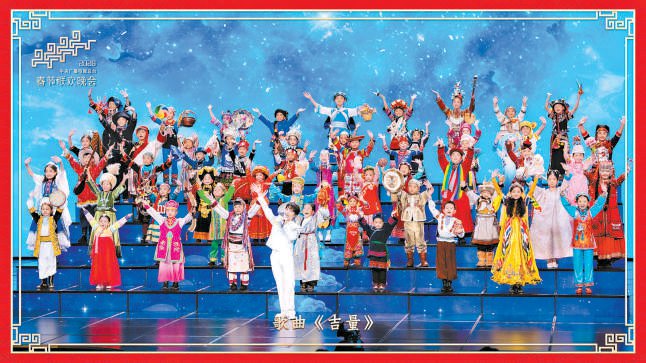
《贺花神》

Search documents
四月花神为何不是牡丹是芍药?
Xin Lang Cai Jing· 2026-02-23 19:42
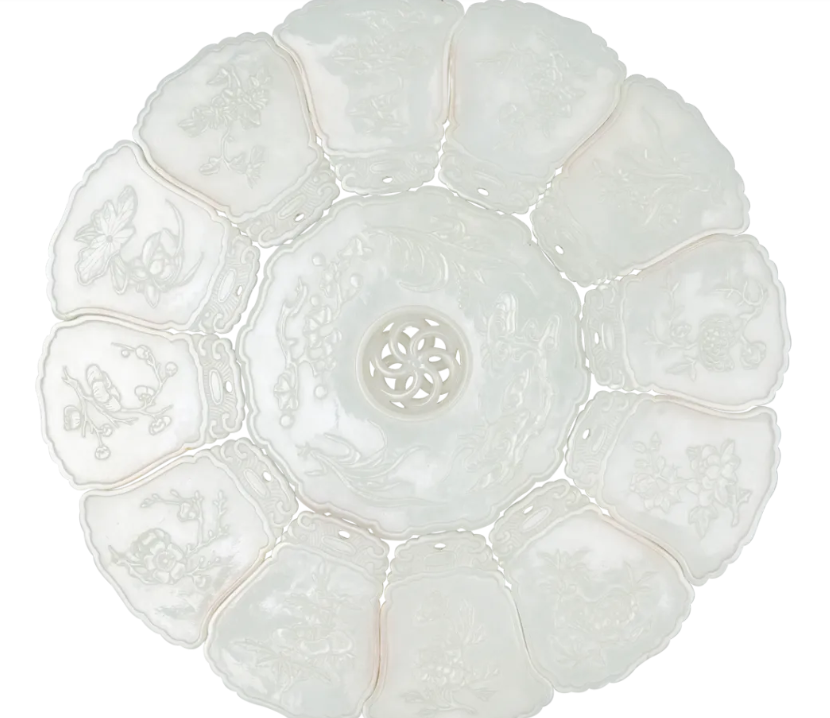
Core Viewpoint - The Spring Festival Gala program "He Hua Shen" has sparked widespread discussion, particularly regarding the representation of the April flower deity, Peony, as a Peony instead of the traditionally associated flower, which is the Peony [9][11]. Group 1: Program Highlights - The program features a creative showcase of twelve flower deities, embodying the essence of Eastern aesthetics, performed by various artists including Ning Li and Qin Lan [9]. - The choice of the April flower deity as Peony, accompanied by a poem by Li Bai, has raised questions among viewers about the accuracy of this representation [9][10]. Group 2: Historical and Cultural Context - Peony has historically been regarded as the "king of flowers" in China, symbolizing wealth and auspiciousness, while the Peony is considered a "flower counterpart" [10]. - The historical debate between Peony and Peony dates back to ancient times, with notable poets like Liu Yuxi praising Peony for its beauty and significance [10]. Group 3: Artistic Inspiration - The inspiration for the April flower deity as Peony in "He Hua Shen" is derived from the "White Jade Monthly Order Pendant" housed in the Palace Museum, which features carvings of various flowers, including Peony [11]. - The craftsmanship of the pendant suggests that the depicted flowers resemble Peony, highlighting the artistic interpretation of these floral representations [11]. Group 4: Regional Significance of Peony - Sichuan province has a long history of Peony cultivation, with references dating back to the Southern Song Dynasty, emphasizing its cultural importance in the region [12]. - The annual Tianpeng Peony Flower Festival in Sichuan attracts numerous visitors, establishing the area as a significant center for Peony appreciation in Western China [12].

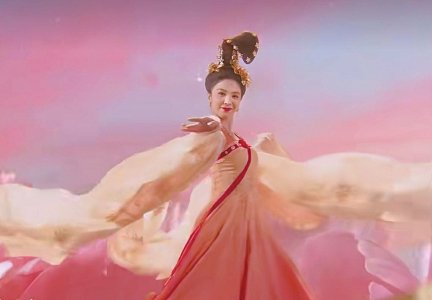
春晚出现了7位男花神,有啥依据?
Xin Lang Cai Jing· 2026-02-19 03:33
Core Viewpoint - The Spring Festival Gala's segment "He Hua Shen" innovatively features historical figures as flower deities, reflecting deep cultural considerations and a blend of traditional and contemporary interpretations of flower god culture [1][21]. Group 1: Cultural Significance - The selection of historical figures like Zhang Qian and Wang Zhaojun as flower deities is not merely aesthetic but embodies significant cultural and spiritual meanings tied to Chinese heritage [1][21]. - The program has sparked discussions on the representation of flower deities, traditionally seen as female, now including a mix of male and female figures, highlighting the evolving nature of flower god culture [1][9]. Group 2: Historical Context - The "He Hua Shen" segment is based on the "Baiyu Yueling Zupei" from the Palace Museum, which serves as the definitive reference for the twelve monthly flowers and their corresponding deities [3][5]. - The flower deity system is diverse, with numerous regional variations and interpretations, reflecting the rich tapestry of Chinese folk and literary culture [2][3]. Group 3: Artistic Representation - The performance features twelve flower deities, each representing a month and associated with historical figures known for their literary and cultural contributions, thus enriching the narrative of flower god culture [5][11]. - The integration of historical figures into the flower deity framework allows for a deeper connection between nature and cultural identity, enhancing the aesthetic experience for the audience [21][22]. Group 4: Evolution of Flower God Culture - Flower god culture has evolved over a millennium, rooted in agricultural beliefs and intertwined with the aesthetic pursuits of literati, showcasing a blend of reverence for nature and cultural identity [26][28]. - The emergence of male flower deities reflects a philosophical alignment with the concept of yin and yang, illustrating the dynamic interplay between gender representations in cultural narratives [15][30].
视频丨“十二花神”是如何选出的?来看看《贺花神》幕后的故事
Yang Shi Xin Wen Ke Hu Duan· 2026-02-18 08:21
Core Viewpoint - The 2026 Spring Festival Gala by China Central Television (CCTV) showcased a creative singing program titled "He Huashen," which utilized AI-generated imagery and real-stage expansion technology to create a visually stunning experience centered around the theme of flowers, representing cultural heritage and seasonal transitions [1][3]. Group 1: Program Overview - "He Huashen" features twelve months, twelve flowers, and twelve flower deities, each symbolizing beauty and sincere wishes, with a focus on the cultural significance of flowers in Chinese tradition [1][3]. - The program integrates innovative expressions of traditional culture, presenting a new narrative structure that reflects the philosophical essence of "spring, summer, autumn, winter, and another spring" [3][29]. Group 2: Technological Innovation - The program employs AIGC (Artificial Intelligence Generated Content) spatial expansion technology, allowing for a seamless blend of historical figures and modern visuals, enhancing audience engagement [9][11]. - The visual effects were developed using advanced AI tools, enabling realistic representations of animals and dynamic interactions with the audience, such as falling flower petals [11][13]. Group 3: Cultural Significance - The concept of flower deities in Chinese folklore is rooted in ancient agricultural society, with a belief system that has evolved over centuries, culminating in a rich cultural tapestry that the program aims to celebrate [7][9]. - The creative team conducted extensive research into historical texts and artifacts to select the most representative flower deities, ensuring a deep connection to traditional culture [29][35]. Group 4: Challenges and Achievements - The integration of AI with live performances posed significant challenges, particularly in achieving high-quality visual outputs that meet modern broadcasting standards [22][24]. - The program is noted for its unprecedented technical complexity, pushing the boundaries of traditional stage performance and setting a new standard for future cultural presentations [28][26].
“十二花神”是如何选出的?来看看《贺花神》幕后的故事
Yang Shi Xin Wen Ke Hu Duan· 2026-02-18 06:59
Core Viewpoint - The 2026 Spring Festival Gala by China Central Television (CCTV) features a creative singing show titled "He Hua Shen," which utilizes AI-generated imagery and real-stage expansion technology to create a visually stunning experience centered around the theme of flowers, representing cultural heritage and modern innovation [1][7]. Group 1: Program Overview - "He Hua Shen" showcases twelve flowers and their corresponding flower gods, each representing different cultural meanings and seasonal changes, reflecting the essence of Chinese philosophy [1][3]. - The program integrates innovative expressions of traditional culture, allowing for interactive and empathetic engagement with the audience [1][3]. - The visual narrative structure of the show is enhanced by AIGC (AI-Generated Content) technology, creating a seamless blend of historical and contemporary elements [7][19]. Group 2: Cultural Significance - The concept of flower gods in Chinese folklore is rooted in ancient agricultural society, symbolizing the reverence for nature and the changing seasons, with historical documentation dating back to the Spring and Autumn period [5][7]. - The selection of flower gods is based on extensive research into cultural artifacts and historical texts, ensuring that the representations resonate with traditional values [25][31]. - The program aims to revitalize and transmit traditional cultural elements, making them accessible and engaging for modern audiences [29][31]. Group 3: Technological Innovation - The show employs advanced AI technology to create realistic visual effects, including lifelike animals and dynamic scenery, enhancing the overall viewing experience [9][19]. - The integration of AI with live performances presents significant challenges, particularly in achieving precise control over visual elements and maintaining high production quality [17][19]. - The creative team emphasizes the importance of using technology to serve cultural expression, ensuring that the visual storytelling aligns with the emotional and narrative aspects of the performance [19][21].
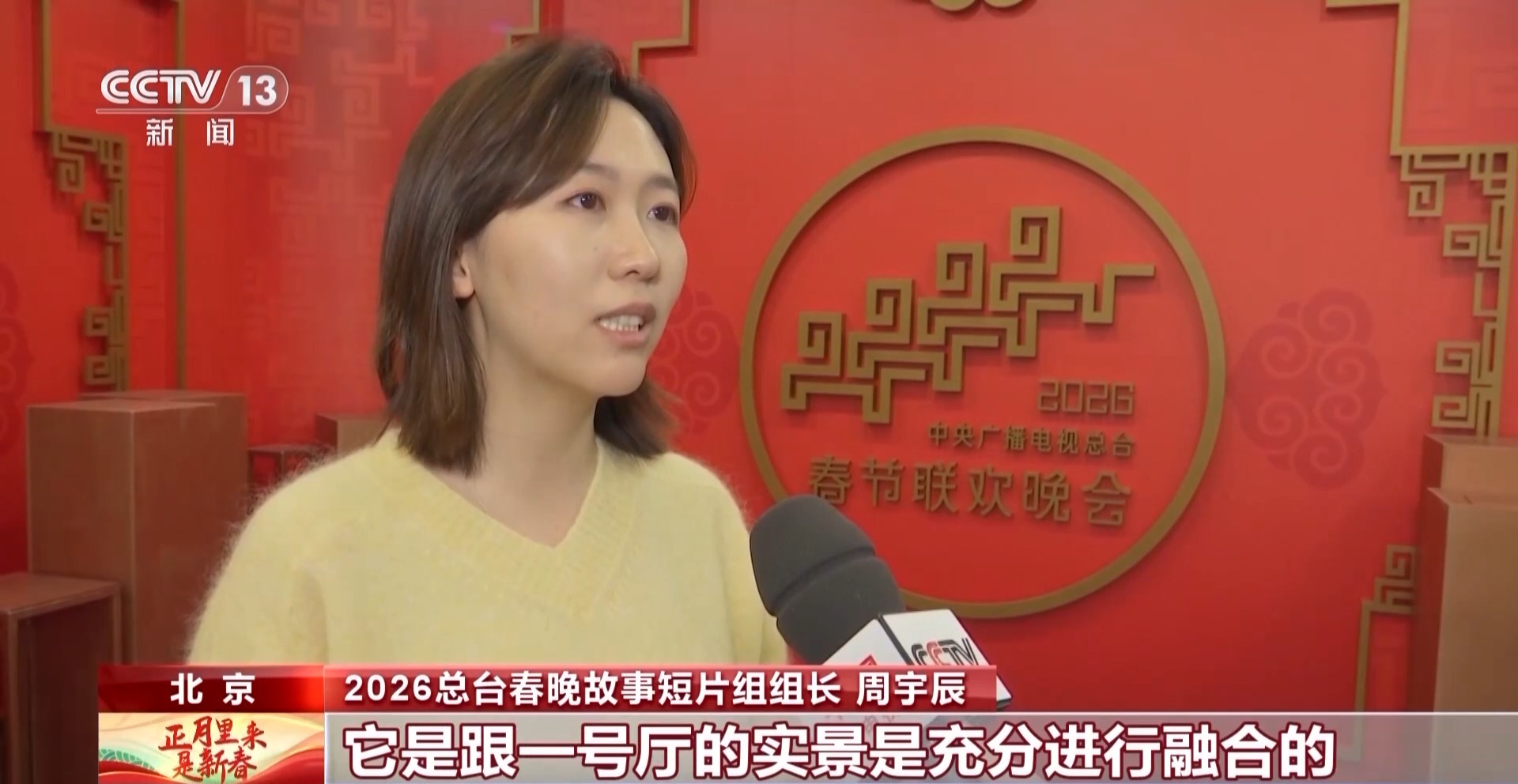
贺花神12个人物是如何挑的
Xin Lang Cai Jing· 2026-02-17 22:47
Core Viewpoint - The Spring Festival Gala's creative show "Hehua Shen" utilizes AI-generated imagery and real-stage expansion technology to create a visually stunning representation of nature's beauty and cultural significance, emphasizing the connection between flowers and their meanings [1] Group 1: Creative Concept - The show features a theme of "one month, one person, one scene; one flower, one state, one view," showcasing the changing seasons and the aesthetic essence of life [1] - The selection of the twelve flower deities and their character representations is based on extensive research, aligning with flower meanings and cultural expressions [1] Group 2: Technical Challenges - The director highlights the complexity of the new visual synthesis technology used in the production, indicating that it is a significant challenge to implement [1] - Each of the twelve actors, despite having only a few seconds on stage, is dedicated to deeply understanding their roles and how to convey the essence of their characters [1]
王楚然春晚剧宣无缝衔接 :破2亿!涨粉65万!
Xin Lang Cai Jing· 2026-02-17 11:12
Core Viewpoint - The article highlights the significant rise in popularity of actress Wang Churan following her performance in the Spring Festival Gala, where she gained 650,000 followers in a single day and her promotional efforts for the new drama "Cheng He Ti Tong" have reached over 200 million views across the internet [1] Group 1 - Wang Churan's performance in the Spring Festival Gala led to a substantial increase in her social media following, with a gain of 650,000 followers in one day [1] - The total views for her Spring Festival performance surpassed 200 million, indicating her growing influence and popularity [1] - The actress has been steadily building her career since her debut in 2017, marking nine years of progress leading up to her notable performance in 2026 [1] Group 2 - The teacher responsible for guiding Wang Churan in playing the pipa praised her ability to learn quickly, mastering the instrument in under 20 minutes [1] - The design of her character Wang Zhaojun's costume features various patterns inspired by artifacts from the Mawangdui archaeological site, showcasing a blend of cultural heritage in her portrayal [1] - The hair accessories worn by Wang Churan in the performance are replicas from the Hunan Museum, further emphasizing the attention to detail in her character's design [1]
今年春晚的关键词,叫“团圆”!
Xin Lang Cai Jing· 2026-02-17 10:06
Group 1 - The Spring Festival Gala serves as a cultural gathering that unites global Chinese communities, emphasizing themes of national unity and technological progress [1][3] - The performances highlight the concept of "family reunion," showcasing diverse cultural expressions and collaborations between artists from different backgrounds, such as the duet between Jackie Chan and Lionel Richie [3][5] - The integration of technology in the gala, including AI-generated visuals and advanced robotics, reflects China's innovation and the blending of traditional culture with modern advancements [8][9] Group 2 - The gala emphasizes the emotional connection between Taiwan and mainland China, featuring performances by Taiwanese artists that evoke shared memories and cultural ties [5][9] - The event illustrates a vibrant and dynamic image of China, showcasing the spirit of unity among its 56 ethnic groups and the harmonious coexistence of ancient civilization with future technologies [9][10] - The overall atmosphere of the gala conveys a message of hope and collective progress, encouraging a forward-looking vision for the upcoming year [10]
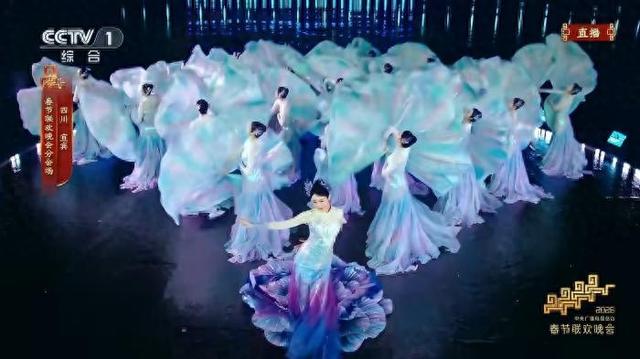
(文化中国行)驭科技之翼传千年之韵 马年春晚落幕
Xin Lang Cai Jing· 2026-02-17 09:08
Group 1 - The Spring Festival Gala, themed "Galloping Steeds, Unstoppable Momentum," integrated technology, culture, and contemporary spirit, creating a memorable visual feast for the Year of the Horse [1] - The performance "Galloping Sea Horse" showcased the vastness of nature through traditional Mongolian songs, emphasizing the harmony between humans and nature [1] - The use of cutting-edge visual technology allowed for a modern expression of traditional culture, exemplified by the digital revival of Xu Beihong's "Six Steeds" in the song "Song of the Wind" [2] Group 2 - The creative show "Goddess of Flowers" blended time and space, using AI-generated floral scenes that changed in real-time, enhancing the traditional lunar calendar culture [4] - Robots performed alongside human artists in various segments, including martial arts, showcasing a deeper integration of technology into the gala's performances [5] - The international expression of traditional culture was highlighted through creative acrobatics and dance, merging Chinese and Austrian artistic elements [8] Group 3 - The gala featured performances from multiple locations, enhancing its geographical dimension, with unique presentations from Harbin, Hefei, Yibin, and Yiwu [8] - The event concluded with a rich tapestry of emotions, reflecting themes of family and hometown connections, marking the transition from the Year of the Snake to the Year of the Horse [8]
春晚十二花神是如何选出的春晚贺花神幕后的故事
Xin Lang Cai Jing· 2026-02-17 05:54
Core Viewpoint - The 2026 Spring Festival Gala by the Central Radio and Television Station features an innovative program titled "He Huashen," which utilizes AI-generated imagery and real-stage expansion technology to create a visually stunning representation of twelve flowers, each symbolizing a month and a flower deity, reflecting deep cultural significance and modern artistic expression [1]. Group 1 - The program "He Huashen" integrates the concept of flowers to present a narrative structure that embodies the philosophical essence of "spring, summer, autumn, winter, and another spring," showcasing the continuity of Chinese culture [1]. - The program is based on the collection of the Palace Museum, specifically the "White Jade Monthly Order Group Pendant," which features twelve types of flowers, inviting artists from various fields to interpret the historical figures of the twelve flower deities [1]. - The most groundbreaking innovation of "He Huashen" is its use of AIGC spatial expansion technology, allowing the flower deities to traverse a real-space setting, thus revitalizing ancient cultural symbols with a modern twist [1]. Group 2 - The total director of the 2026 Spring Festival Gala, Yu Lei, emphasized the careful selection of twelve outstanding actors to portray the flower deities, ensuring that each character's historical representation was thoughtfully crafted [1]. - Each actor's portrayal, despite being on stage for only a few seconds, involved meticulous attention to detail, including makeup and character design, reflecting a deep commitment to authenticity and artistic expression [1].
共度团圆和美昂扬奋进中国年
Xin Lang Cai Jing· 2026-02-17 05:53
Group 1 - The 2026 Spring Festival Gala by China Central Television (CCTV) successfully integrated cultural elements, technology, and international appeal, creating a touching "New Year Symphony" for global Chinese communities and friends [1] - The gala's live broadcast reached a total of 677 million users, with 13.5 billion views on new media platforms, and a 53.39 million increase in views on CCTV's own client compared to last year [3] - The mention of new productive forces in the gala increased by 788% year-on-year, accounting for 23.78% of the total mentions, while the proportion of young viewers reached 43.7%, up by 10% from the previous year [3] Group 2 - The gala featured performances that highlighted traditional Chinese culture, such as the song "The Spring Begins," which celebrated renewal, and the creative show "Goddess of Flowers," showcasing the rhythm of the seasons [3] - Various performances included a mix of traditional operas and modern interpretations, with artists from different generations collaborating to present a rich tapestry of Chinese performing arts [3] - The event also emphasized the significance of horses in Chinese culture, with songs narrating stories from "Shan Hai Jing" and celebrating the vitality of life on the vast grasslands [4] Group 3 - The gala was broadcasted from multiple locations, including Harbin, Yiwu, Hefei, and Yibin, each featuring local cultural elements and performances, enhancing the festive atmosphere [5]