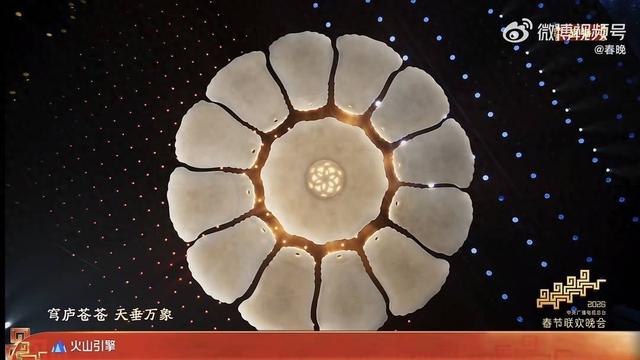
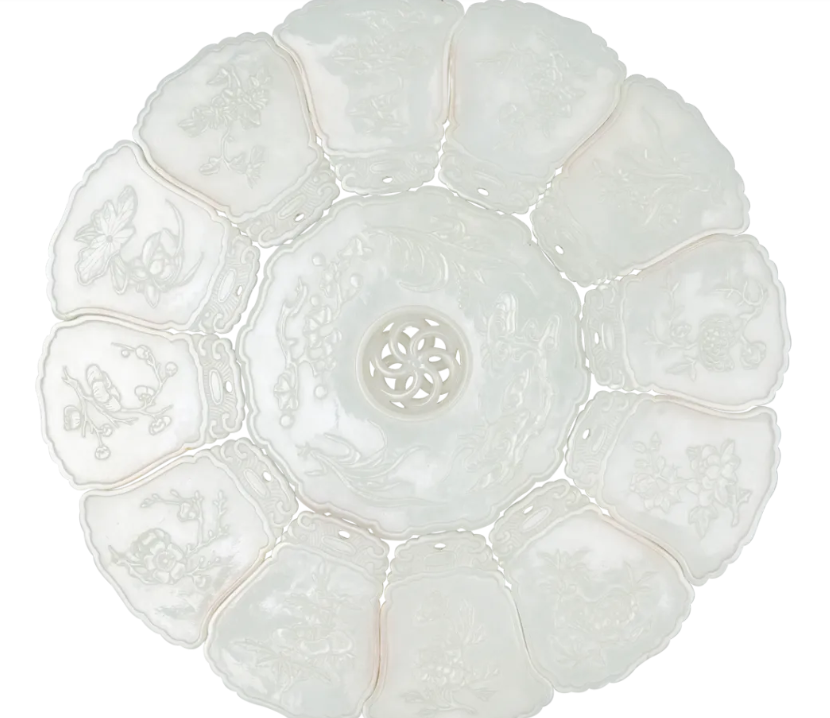
白玉月令组佩

Search documents
春晚出现了7位男花神,有啥依据?
Xin Lang Cai Jing· 2026-02-19 03:33
Core Viewpoint - The Spring Festival Gala's segment "He Hua Shen" innovatively features historical figures as flower deities, reflecting deep cultural considerations and a blend of traditional and contemporary interpretations of flower god culture [1][21]. Group 1: Cultural Significance - The selection of historical figures like Zhang Qian and Wang Zhaojun as flower deities is not merely aesthetic but embodies significant cultural and spiritual meanings tied to Chinese heritage [1][21]. - The program has sparked discussions on the representation of flower deities, traditionally seen as female, now including a mix of male and female figures, highlighting the evolving nature of flower god culture [1][9]. Group 2: Historical Context - The "He Hua Shen" segment is based on the "Baiyu Yueling Zupei" from the Palace Museum, which serves as the definitive reference for the twelve monthly flowers and their corresponding deities [3][5]. - The flower deity system is diverse, with numerous regional variations and interpretations, reflecting the rich tapestry of Chinese folk and literary culture [2][3]. Group 3: Artistic Representation - The performance features twelve flower deities, each representing a month and associated with historical figures known for their literary and cultural contributions, thus enriching the narrative of flower god culture [5][11]. - The integration of historical figures into the flower deity framework allows for a deeper connection between nature and cultural identity, enhancing the aesthetic experience for the audience [21][22]. Group 4: Evolution of Flower God Culture - Flower god culture has evolved over a millennium, rooted in agricultural beliefs and intertwined with the aesthetic pursuits of literati, showcasing a blend of reverence for nature and cultural identity [26][28]. - The emergence of male flower deities reflects a philosophical alignment with the concept of yin and yang, illustrating the dynamic interplay between gender representations in cultural narratives [15][30].

文博日历丨中式美学尽显!马年春晚里都有哪些文物彩蛋?
Xin Lang Cai Jing· 2026-02-17 03:53
Core Viewpoint - The Spring Festival Gala of the Year of the Horse prominently featured elements of traditional Chinese culture, showcasing various historical artifacts and artistic expressions that reflect the richness of Chinese heritage [1][2][4]. Group 1: Cultural Elements - The Twelve Flower Gods were presented, each representing a month and inspired by Qing Dynasty jade carvings, specifically the "Yueling" jade pendant set, which symbolizes the ancient wisdom of observing nature [1][2]. - The performance "Chasing Shadows" included dance elements that embodied the spirit of horses, highlighting the significance of equine symbolism in Chinese culture [2][3]. Group 2: Historical Artifacts - The gala featured notable artifacts related to horses, such as the "Bai Ti Wu," a famous warhorse from the Tang Dynasty, and the "Copper Galloping Horse," which has become a symbol of cultural diplomacy for China [2][3]. - The "Winged Horse" from Dunhuang murals was also highlighted, representing success and the ancient aspiration for freedom, further emphasizing the cultural significance of horses in Chinese art [3][4]. Group 3: Artistic Expressions - The performance included a watercolor dance that reflected the charm of Anhui's cultural heritage, showcasing the artistic legacy of the Xuan paper, known for its quality and longevity [4]. - The integration of modern and ancient artistic styles was evident in the works presented, illustrating the continuity of Chinese artistic traditions and their relevance in contemporary culture [4].
中式美学尽显!马年春晚里都有哪些文物彩蛋?
Xin Lang Cai Jing· 2026-02-17 03:51
Core Viewpoint - The Spring Festival Gala of the Year of the Horse prominently featured elements of traditional Chinese culture, showcasing various historical artifacts and artistic expressions that reflect the richness of Chinese heritage [2][10]. Group 1: Cultural Elements - The Twelve Flower Gods were presented, each representing a month and inspired by Qing Dynasty jade carvings, specifically the rotating jade pendants made from high-quality Hetian jade [2][4]. - Each flower petal of the jade pendants is unique, engraved with auspicious flowers corresponding to the respective month, such as plum blossoms for January and chrysanthemums for September [6][8]. Group 2: Historical Artifacts - The gala included references to three significant horse-related artifacts: the "White Hoof Wu," a warhorse from the Tang Dynasty, the "Winged Horse" from Dunhuang murals symbolizing success and freedom, and the "Bronze Galloping Horse," a cultural icon representing China internationally [10][12][16]. - The "Bronze Galloping Horse" has been a prominent symbol of cultural diplomacy, having been exhibited globally and attracting over 5 million visitors [16]. Group 3: Artistic Performances - The performance "Chasing Shadows" featured dancers embodying horses, blending grace and strength to depict the spirit of freedom and vitality associated with horses [10]. - The gala also included a watercolor dance reflecting the cultural essence of Anhui, showcasing the artistic heritage through the classic painting "Crossing the Bridge with a Cane" by renowned artist Cha Shibiao [18][21].
春晚舞台上“开花”的文物 白玉月令组佩诠释“十二花神”东方美学
Xin Lang Cai Jing· 2026-02-16 16:12
Core Viewpoint - The creative singing show "Hehua Shen" showcased the beauty of traditional Chinese culture through the presentation of the "Twelve Flower Gods" and highlighted the exquisite craftsmanship of the Qing Dynasty's white jade "Twelve Month Order" ornaments [1][3][6] Group 1: Cultural Significance - The "Twelve Flower Gods" theme reflects the ancient Chinese appreciation for flowers, which is deeply embedded in their daily life and culture [3][6] - The performance allowed contemporary audiences to experience the elegance of traditional culture, emphasizing the aesthetic value found in floral representations [6] Group 2: Artistic Mastery - The white jade "Twelve Month Order" ornaments are considered a pinnacle of Qing Dynasty palace jade carving, made from high-quality Hetian jade and featuring intricate designs [3] - Each of the twelve petal-shaped jade pieces represents a flower corresponding to each month, showcasing a blend of jade carving, painting, calligraphy, and music [3] Group 3: Historical Context - The "Twelve Month Order" ornaments are housed in the Palace Museum and are noted for their unique feature of a movable "six-ring heart" at the center, enhancing their artistic complexity [3] - Similar artifacts, such as the Qing Kangxi blue and white twelve-month flower porcelain cups, further illustrate the historical significance of floral motifs in Chinese art [3]