荒野

Search documents
荒野的秘境
Xin Lang Cai Jing· 2026-02-20 07:15
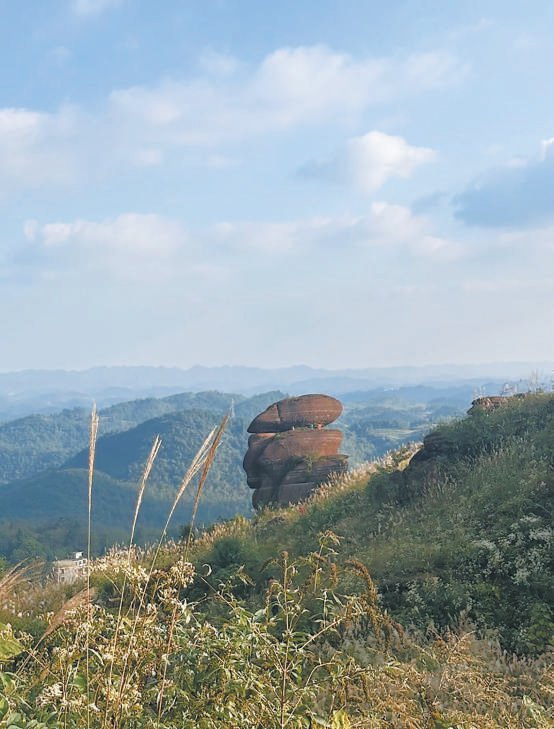
Group 1 - The article highlights the cultural significance of "芦苇" (reed) and "蒹葭" (a type of reed), emphasizing their presence in Chinese literature and poetry throughout history, with over 500 poems in the Tang Dynasty alone referencing these plants [2][3] - The author expresses a deep personal connection to the beauty and symbolism of "蒹葭," describing it as a source of inspiration and reflection on life [3] - The narrative shifts to a journey to "三生石" (Three Life Stone), a natural wonder in Guizhou, which is described as a must-see destination that evokes a sense of awe and wonder [5][6] Group 2 - The journey to "三生石" involves navigating through rugged mountain roads, showcasing the stunning natural landscapes of Guizhou, characterized by diverse flora and geological formations [6][7] - Upon arrival, the "三生石" is depicted as a striking natural formation resembling giant mushrooms, symbolizing the artistry of nature [8][9] - The surrounding wilderness is portrayed as a pristine and untouched environment, offering a stark contrast to urban life, and is described as a rare and valuable experience for those seeking tranquility [10][11] Group 3 - The article also discusses the ecological importance of "芦苇," highlighting its resilience and various uses, from livestock feed to materials for crafts and construction [14] - "芦苇" is presented as a metaphor for human existence, emphasizing its strength and adaptability despite its perceived fragility [14] - The natural beauty of the landscape, including the presence of wildflowers and the serene atmosphere, contributes to a sense of peace and connection to nature [15][16]