芦花靴

Search documents
热气腾腾的中国年|江苏无锡:当非遗成为“世界语言”,外籍友人爱上“中国年”
Xin Lang Cai Jing· 2026-02-20 13:27
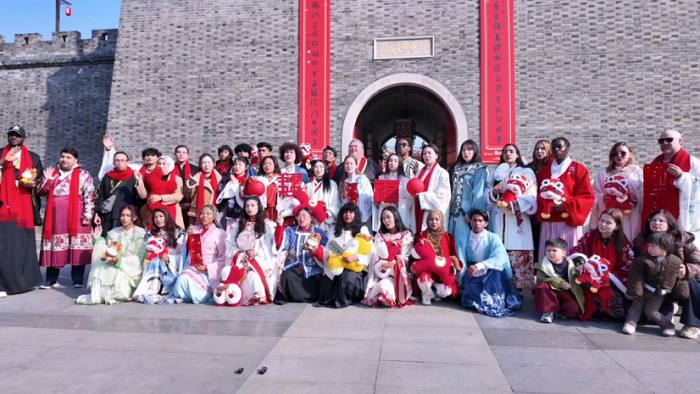
Core Viewpoint - The article highlights the vibrant cultural exchange during the Spring Festival in Wuxi, where foreign friends from various countries engage in traditional Chinese cultural experiences, showcasing the charm of intangible cultural heritage [1][3][13]. Group 1: Cultural Experiences - Foreign friends from countries such as South Africa, Poland, Tanzania, and others participated in hands-on activities like writing Spring Festival couplets and experiencing traditional crafts [3][5]. - The event featured immersive experiences, allowing participants to learn about local heritage through storytelling and hands-on activities, such as making bamboo bookmarks and sugar-coated hawthorns [5][11]. Group 2: Visual Spectacles - A stunning fire dragon show was held, where molten iron created a spectacular display in the night sky, captivating attendees and showcasing the cultural heritage of the region [7]. - The event included performances that combined traditional skills with modern aesthetics, such as fire breathing and face-changing acts, which amazed the foreign participants [9]. Group 3: Community Engagement - The "New Wu Celebrating the New Year" event brought together over 40 foreign friends living and studying in Wuxi, allowing them to experience the unique charm of the Wu culture during the Spring Festival [9]. - Participants actively engaged in cultural activities, such as joining in dance performances and expressing their enjoyment of the local festivities [11].

荒野的秘境
Xin Lang Cai Jing· 2026-02-20 07:15
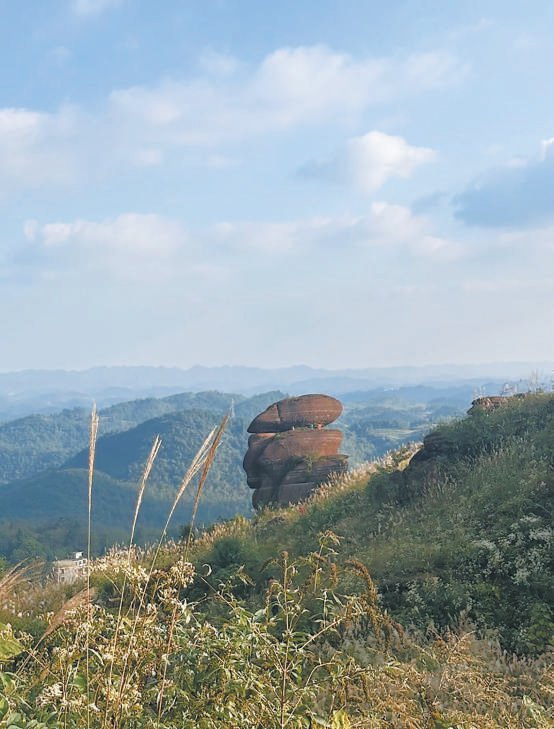
Group 1 - The article highlights the cultural significance of "芦苇" (reed) and "蒹葭" (a type of reed), emphasizing their presence in Chinese literature and poetry throughout history, with over 500 poems in the Tang Dynasty alone referencing these plants [2][3] - The author expresses a deep personal connection to the beauty and symbolism of "蒹葭," describing it as a source of inspiration and reflection on life [3] - The narrative shifts to a journey to "三生石" (Three Life Stone), a natural wonder in Guizhou, which is described as a must-see destination that evokes a sense of awe and wonder [5][6] Group 2 - The journey to "三生石" involves navigating through rugged mountain roads, showcasing the stunning natural landscapes of Guizhou, characterized by diverse flora and geological formations [6][7] - Upon arrival, the "三生石" is depicted as a striking natural formation resembling giant mushrooms, symbolizing the artistry of nature [8][9] - The surrounding wilderness is portrayed as a pristine and untouched environment, offering a stark contrast to urban life, and is described as a rare and valuable experience for those seeking tranquility [10][11] Group 3 - The article also discusses the ecological importance of "芦苇," highlighting its resilience and various uses, from livestock feed to materials for crafts and construction [14] - "芦苇" is presented as a metaphor for human existence, emphasizing its strength and adaptability despite its perceived fragility [14] - The natural beauty of the landscape, including the presence of wildflowers and the serene atmosphere, contributes to a sense of peace and connection to nature [15][16]