
苇席

Search documents
荒野的秘境
Xin Lang Cai Jing· 2026-02-20 07:15
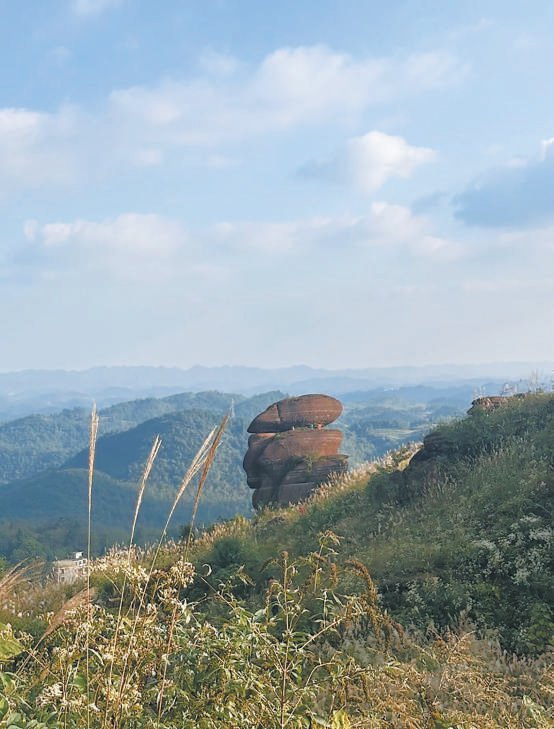
Group 1 - The article highlights the cultural significance of "芦苇" (reed) and "蒹葭" (a type of reed), emphasizing their presence in Chinese literature and poetry throughout history, with over 500 poems in the Tang Dynasty alone referencing these plants [2][3] - The author expresses a deep personal connection to the beauty and symbolism of "蒹葭," describing it as a source of inspiration and reflection on life [3] - The narrative shifts to a journey to "三生石" (Three Life Stone), a natural wonder in Guizhou, which is described as a must-see destination that evokes a sense of awe and wonder [5][6] Group 2 - The journey to "三生石" involves navigating through rugged mountain roads, showcasing the stunning natural landscapes of Guizhou, characterized by diverse flora and geological formations [6][7] - Upon arrival, the "三生石" is depicted as a striking natural formation resembling giant mushrooms, symbolizing the artistry of nature [8][9] - The surrounding wilderness is portrayed as a pristine and untouched environment, offering a stark contrast to urban life, and is described as a rare and valuable experience for those seeking tranquility [10][11] Group 3 - The article also discusses the ecological importance of "芦苇," highlighting its resilience and various uses, from livestock feed to materials for crafts and construction [14] - "芦苇" is presented as a metaphor for human existence, emphasizing its strength and adaptability despite its perceived fragility [14] - The natural beauty of the landscape, including the presence of wildflowers and the serene atmosphere, contributes to a sense of peace and connection to nature [15][16]

马踏湖的冬天
Xin Lang Cai Jing· 2026-01-02 17:26
Core Insights - The article highlights the traditional winter activities in the Mata Lake area, focusing on the harvesting of reeds and lotus roots, which are significant for the local economy and culture [1][2][3][4][5][6][7][8] Group 1: Reed Harvesting - The reed harvesting season, referred to as "Guo Wei Qiu," begins around the start of winter, with local villagers using sickles to cut reeds from the lake [1][2] - The area has over 20,000 acres of reeds, and the harvesting process is labor-intensive, involving the collection and bundling of reeds for storage [1][2] - Villagers return from work to participate in this busy season, emphasizing its importance to the community [1][2] Group 2: Lotus Root Harvesting - The lotus root, known as "Bai Lian Ou," is a local specialty, with over 4,000 acres dedicated to its cultivation [2][3] - Harvesting occurs in winter, where villagers break the ice to access the lotus roots, requiring specific techniques to ensure the roots are harvested intact for better market value [3] Group 3: Winter Fishing - Winter fishing is a popular activity as fish congregate near the ice surface due to low oxygen levels [4][5] - Fishermen use various methods, including breaking the ice and using fish forks, to catch a variety of fish species, contributing to both sustenance and local commerce [5][6] Group 4: Craftsmanship and Local Economy - The reeds are also utilized for crafting traditional items such as mats, baskets, and fishing gear, showcasing the local craftsmanship [7] - The production of reed products not only serves local needs but also has a market beyond the immediate area, indicating a sustainable economic model [7][8]
乌梁素海芦苇的绿色蝶变
Ren Min Ri Bao Hai Wai Ban· 2025-06-23 00:41
Core Insights - The transformation of the reed resources in Wuliangsuhai has turned a previous ecological burden into a valuable green asset, contributing to local economic growth and ecological protection [1][3]. Group 1: Environmental Improvement - The ecological restoration project initiated in 2018, with an investment exceeding 5 billion yuan, has significantly improved the water quality and reduced pollution in Wuliangsuhai [2]. - The water quality in the lake has stabilized at Class V standards, with some areas even reaching Class IV standards [3]. Group 2: Economic Impact - The production of reed-based eco-friendly boards has led to a reduction of 1.2 to 1.4 tons of carbon emissions for every cubic meter produced, equating to the preservation of approximately 600,000 trees annually [1][2]. - In the first five months of the current year, the company produced 47,000 cubic meters of reed boards, consuming 56,000 tons of reeds and generating sales revenue of over 60 million yuan [2]. Group 3: Employment Opportunities - The development of the reed board industry has created over 150 job opportunities, enhancing the local economy while achieving ecological benefits [3]. Group 4: Biodiversity and Ecosystem - The improved ecological environment has attracted more migratory birds to Wuliangsuhai, which now serves as a habitat for various species, enhancing local biodiversity [3].