药品定价机制

Search documents
奥司他韦医院开药86元、网上只要9元,差价为何如此悬殊?
Yang Guang Wang· 2025-12-06 12:08
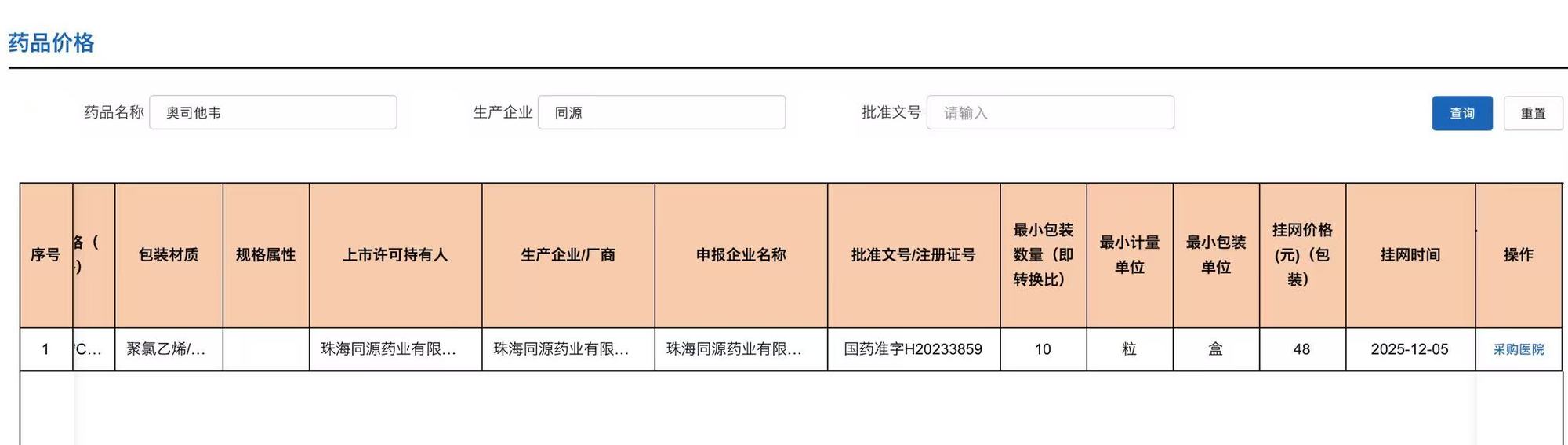
Core Viewpoint - The article highlights the significant price discrepancies of the antiviral drug Oseltamivir (Tamiflu) between hospitals and online platforms, raising concerns about patient access and pricing fairness in the healthcare system [1][2][4]. Pricing Discrepancies - A father in Chongqing reported that the price of Oseltamivir at a local health clinic was 86 yuan, while the same medication was available online for only 9 yuan, indicating a price difference of over nine times [1]. - The local health department stated that the hospital's price is based on a nationally unified price set by the medical insurance department, and there was no violation of pricing regulations [2]. - In other provinces, the listed price for Oseltamivir was found to be 48 yuan, while local pharmacies in Chongqing had an average price of around 36 yuan [4]. Factors Influencing Drug Pricing - Drug prices are generally determined by companies based on production costs, distribution expenses, and local pricing regulations [8]. - The competitive landscape plays a crucial role in pricing, with over 100 production licenses for Oseltamivir in China and around 30 active manufacturers, leading to varied pricing strategies [9]. - Different sales channels (hospitals, pharmacies, online platforms) have distinct pricing mechanisms, with hospitals typically using a fixed procurement price while pharmacies and online retailers have more flexible pricing [11]. Market Dynamics - The introduction of a "dual-channel" mechanism for drug purchases in 2021 allows specific drugs to be bought through both hospitals and pharmacies, but the pricing structures differ significantly [10]. - Retail pharmacies may adjust prices based on market conditions and promotional activities, leading to substantial price variations [12]. - Online platforms often offer lower prices due to subsidies and competitive pricing strategies, which can disrupt traditional pricing models [11]. Patient Access and Rights - Ensuring patients can access necessary medications at reasonable prices is a primary concern, necessitating a balance between government regulation and market dynamics [12]. - The government monitors drug prices and implements risk management mechanisms to ensure fair pricing practices among pharmaceutical companies [12].